
This Common Fabric May Be Unsafe for Winter Visits to Yellowstone, Officials Say
Published Dec. 17 2025, 3:48 a.m. ET

A couple skiing on a snow trail in Yellowstone.
If you are someone who doesn’t give too much thought to fashion, you might want to rethink your wardrobe choices, especially if you're planning a trip to Yellowstone National Park anytime soon. This isn’t glamor, but pure precaution. As winter freezes the water droplets into flakes of snow, Yellowstone becomes enshrouded in a thick white blanket. Hilly slopes become slippery. Fur coats of bison and wolves become dusted with powdery snowflakes. The same snow dresses up the towering trees in frosted lace and dampens the trails into glassy processions that make both visitors and cars skid. Some of them can’t be traversed without a snowcoach. When the entire park gets draped in this wintry frock, it seems logical to pay attention to your own drapes too. In Yellowstone, one fabric can make all the difference. The National Park Service (NPS) offers a nine-word tip: Avoid cotton—it won’t keep you warm when wet.
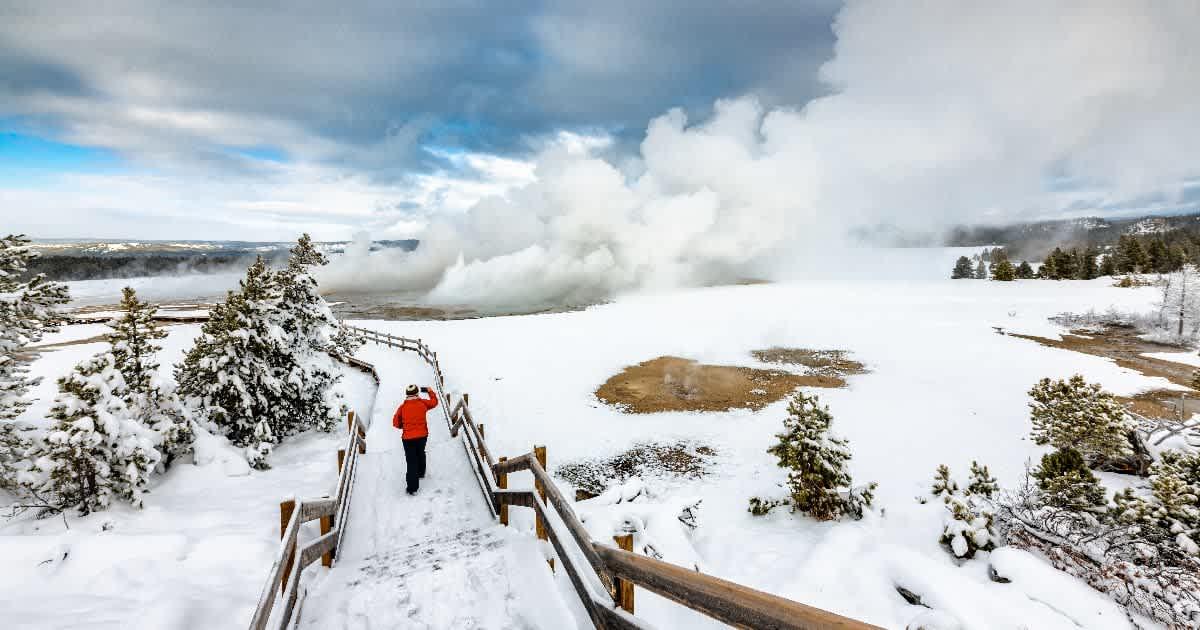
A person walking on Yellowstone National Park's boardwalk in the winter.
Despite carrying the reputation of one of the comfiest fabrics, cotton has its own evil— a textile chemistry seldom touted by backpacking advertisements. According to Appalachian Trail History, national park employees even use the saying “cotton kills” to warn visitors of the evils of this plush, innocent fabric. Not that it will remain evil forever. When summers arrive, you may as well get out your cotton dresses from the cupboard and greet them with a warm smile.
Winters in Yellowstone unfold by setting contrasts. Watch the mountains as frigid, icy winds envelop them. Visit the bubbling hot springs or steaming geysers, and their waters are burning hot as ever. When dressing for your Yellowstone trip, consider incorporating contrast to help prevent both overheating and chilling. NPS suggests a windproof, hooded outer layer with insulating wool or synthetic garments underneath. If you have never bought a pair of snow boots, buy them now, and also a pair of wool pants, wool socks, gaiters, gloves, and wool mittens.

Cheerful woman holding a stack of sweaters for the winter
Also, add sunglasses to the list for eye protection and a balaclava for sheltering the head. Anything and everything is cool as long as it helps you manage the wintry conditions. But cotton, never. As Ken Knapp, editor for outdoor retailer REI, said that this soft fabric is best suited for summer. "When cotton gets wet, it takes a very long time to dry, which can leave you feeling damp, cold, and miserable,” Knapp said. Having said that, you shouldn’t forget to carry high-energy snacks and plenty of water, as dry winter air can cause intense dehydration.
Hypothermia is a condition in which the body loses heat faster than it can produce it. Yellowstone has encountered dozens of cases where people became hypothermic and needed to be rescued by the rangers. KSL TV reported a case in September 2021 when a Utah conservationist’s brother died of hypothermia while the two were on a four-day trip at Yellowstone’s Shoshone Lake. BeckLawyers reported another case in January 2015 when the rangers found the frozen body of a 52-year-old man from Montana who died of hypothermia along a ski trail across Blacktail Plateau Drive.
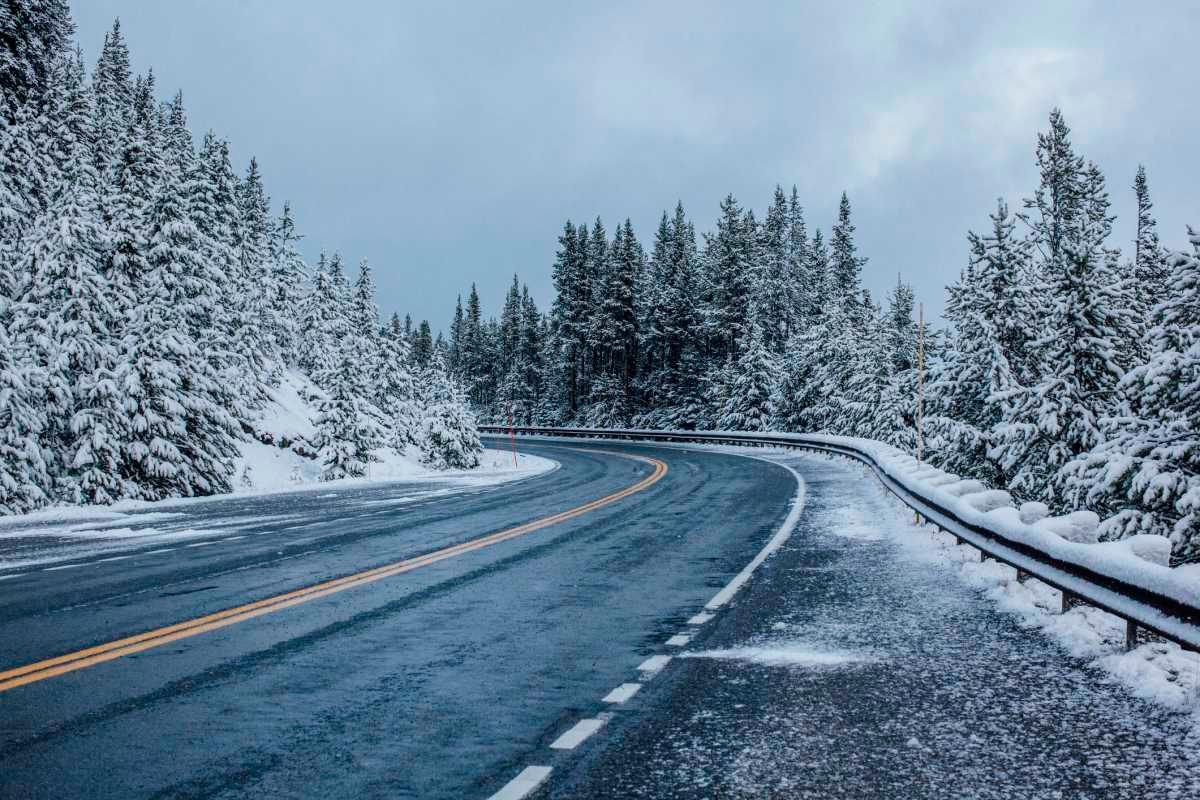
Road covered in snow during winter at Yellowstone
The NPS has listed some symptoms that you can look out for to check whether you or someone you know is experiencing hypothermia, so you can call for help. The list includes violent shivering, loss of dexterity, slurred speech, exhaustion, and drowsiness. In case of hypothermia, the NPS recommends getting out of the wind and rain and finding a shelter to make a warm camp. Remove wet clothing and consume a warm, non-alcoholic drink.