
These Hungry Microbes Are Turning Earth's Worst Climate Threat into a Solution
Published Jan. 28 2026, 8:10 a.m. ET

Smoke emerging from chimneys.
Methane is a harmful component for the planet, but researchers have found a way to use it for the environment’s betterment, as published in the journal Energy & Environment Nexus. Methane is an invisible and dangerous gas, as it traps heat faster than carbon dioxide. This enhances global warming. Methane gets incorporated into the atmosphere through coal mines, wastewater plants, landfills, and farms. Most of this gas gets released from places with oxygen-deficient conditions. To monitor their content in the atmosphere, researchers suggest taking help from the methane-eating bacteria called methanotrophs. These microbes ingest methane as food and break it down using enzymes. This breakdown process transforms methane into carbon dioxide.
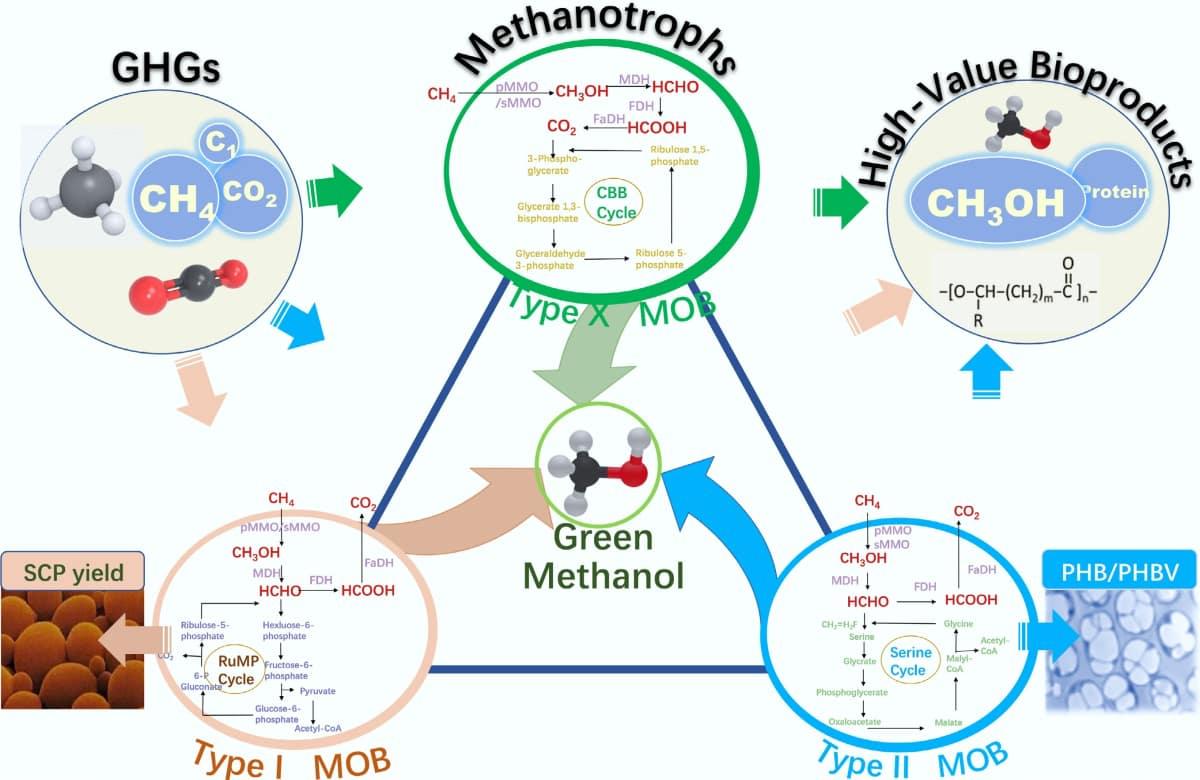
Reduction of Methane by Methanotrophs
Researchers believe that with the right conditions, humans can utilize methanotrophs to reduce harmful methane emissions. The final product of the breakdown, carbon dioxide, is more manageable in terms of global warming. If methane remains in the atmosphere for a century, it heats the planet 28 times more than carbon dioxide. Methane-eating microbes grow naturally in oxygen-deficient circumstances, which implies that they are already present in places from where most methane is released into the atmosphere. Past evaluations reveal that methanotrophs already remove a large share of methane from the atmosphere.
Strengthening this process could further reduce global warming. If researchers achieve this feat, it will reduce the need of energy heavy machines or chemicals, currently used for the pursuit. Through human intervention, methane can be converted into useful products, like cleaner fuels, animal feed, and biodegradable plastics, through the reduction done by methanotrophs. These microbes, by turning methane into valuable materials, also cut down on harmful emissions. Large-scale use of methanotrophs can supposedly trigger low-energy manufacturing pathways, which can significantly slow down climate warming.
Factory building during night-time.
“Our work shows that methanotrophs are no longer just a curiosity of environmental microbiology; they are a strategic biological tool for a low-carbon future,” said lead author Jingrui Deng of Shandong University, according to Interesting Engineering. “If we can understand and control these microbial communities, we can simultaneously cut greenhouse gases and manufacture useful products from the same processes.” Such microbes have specialized enzymes in each of their cells, which oxidize methane. First, methane turns into methanol, then formaldehyde, formate, and finally, carbon dioxide.
For this reduction, mild conditions are needed. To strengthen this process, researchers suggest engineering approaches, such as wastewater systems with methane-oxidizing bacteria, landfill bio covers, and methane-removing biofilters at mines and biogas plants. Researchers have already noted a significant reduction in methane emissions and explosion risks at mining sites after spraying ultrafine water mists with methane-reducing bacteria. In wastewater treatment, methanotrophs removed not only methane but also nitrogen compounds.

Clusters of bacteria lingering inside the body
There is also a possible disadvantage to strengthening the reduction process of methane-oxidizing bacteria. Methanotrophs compete with other microbes for key metals, bolstering the production of nitrous oxide. Nitrous oxide is a greenhouse gas with an even more warming impact. “Designing future systems means choosing the right microbial partners so that we reduce both methane and nitrous oxide rather than trading one gas for another,” Deng said. To date, methodologies, like incorporating methanotrophs on items such as coconut coir, enhance the production of methanol from methane.
Certain mixed microbial cultures have also shown the capability of converting biogas into protein-rich biomass. Progress on the strengthening of the reduction by methanotrophs has already been accelerated through high-throughput cell sorting and synthetic biology. “Looking ahead, methanotrophs sit at the crossroads of climate mitigation, waste management, and green manufacturing,” said senior author Qigui Niu, per Earth.com. “By integrating strain engineering, smart bioreactor design, and rigorous life cycle assessment, we can turn methane from a liability into a cornerstone of sustainable biomanufacturing.”