
Solar Project Four Times the Size of San Francisco is ‘Survival Plan’ for California’s Central Valley
Published Jan. 29 2026, 8:15 a.m. ET

Aerial view over solar panels in the Central Valley, California
Solar energy has been sourced across California before, but a new project plans to exceed all expectations. Blanketing a whopping 136,000 acres of farmland in the Central Valley, the upcoming solar installation plan could be among the largest in the world. According to SFGATE, the Westlands Water District, a company that provides water to a large swath of Fresno and Kings counties, has approved the plan. Remarkably, the vast stretch of land where the solar panels will be laid out is four times larger than the city of San Francisco. The plan is not limited to solar energy production but also includes building energy storage and electric transmission facilities in the spectrum. The Valley Clean Infrastructure Plan has a broader vision to supply electricity beyond the center of the state.
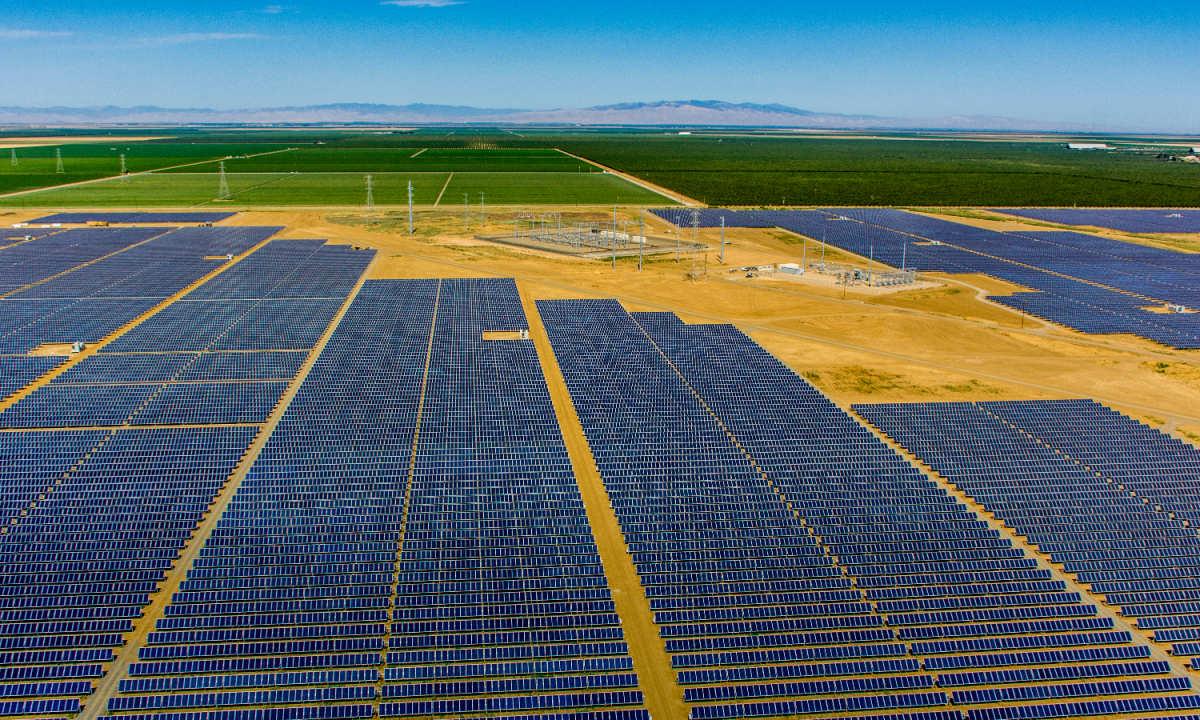
Solar panels laid out on a massive field in the Central Valley, California
This landmark project, once completed, can set an example for future sustainable plans. Another perk of this initiative is that local landowners can earn additional revenue by providing their land for the project. They can supplement their farm with another revenue system that prevents water shortage and removes the chance of subsidence of land, often caused by frequent farming. “We just don’t have the water available to us,” Jeff Fortune, a 45-year farmer, told the outlet. “So this will allow you to get paid for growing electricity. But in turn, that will filter down so that the grower has a better chance of staying in existence," he added. Generating electricity instead of crops will provide better returns, more security, and steadier revenue to the farmers.

A farmer scattering seeds in a garden bed
Fortune mainly harvests crops like almonds and pistachios. Growing such water-intensive crops in the dry heat of California can be tricky. As a result, the farmer has to deal with fallow—unseeded, unproductive lands—every year because the crops don't grow due to lack of water, providing less revenue in return. Fortune, who is also a board member of the Westlands Water District, agrees that the new project benefits everyone. The water district provides water to about 700 farms and charges a certain fee in return. If the solar panel project generates large revenue for the company, it would eventually lower the charges, benefiting even the farmers who didn't contribute to the project. Moreover, Fresno County will earn heavy taxes from the project, which will increase the region's overall budget.
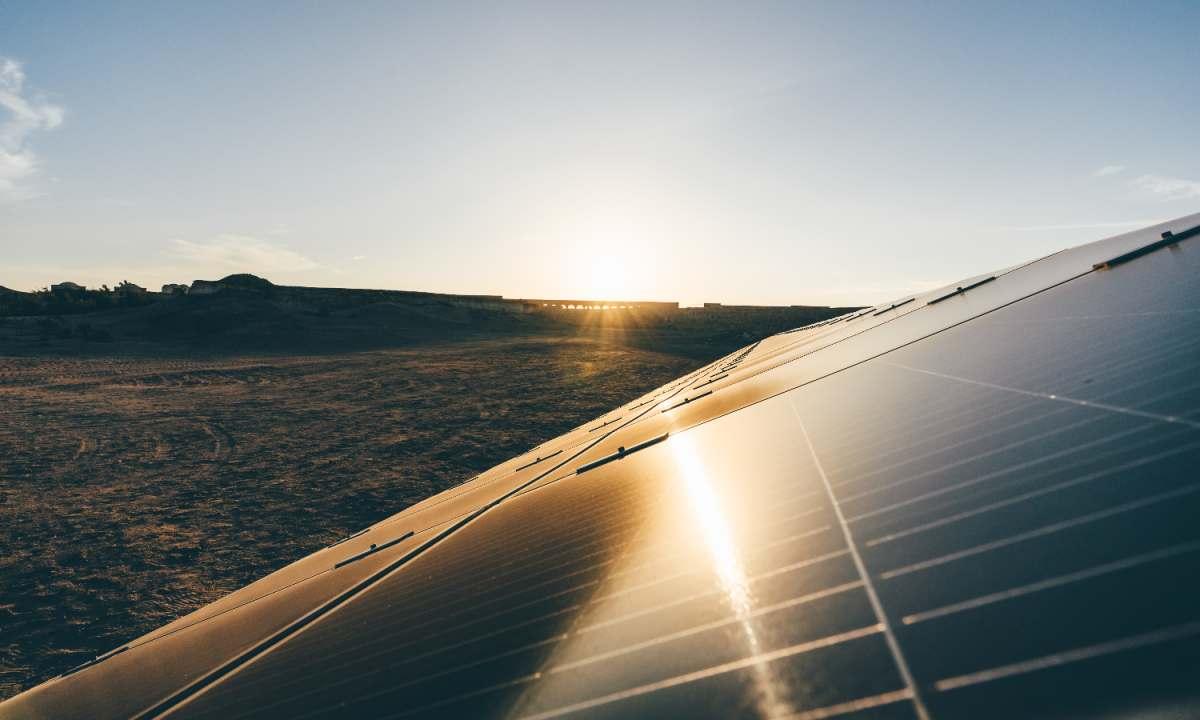
A close-up of solar panels reflecting sun rays
The most notable advantage of this project is that it's not built at the cost of farmers but instead provides them with a steady revenue stream. "The farm economy’s tough right now. Business is tough. And this will allow you another revenue source besides your crop income,” Fortune added. Overall, it's a win-win project, not just because it streamlines revenue generation for farmers but also because it marks a milestone in creating clean energy in California. Golden State Clean Energy, a partner in the project, has estimated that after the fruition of this plan, California alone would meet one-sixth of the state’s energy needs by 2035. But all significant plans come with some criticism. Many have reportedly slammed the plan while raising concerns like the impact of air pollution, noise, habitat disruption, and traffic.
Some are going as far as questioning the aesthetic appeal of the massive solar panel fields that were once producing lush green crops. Nevertheless, authorities believe the project to be a “survival plan,” considering the growing water supply needs in the region.