
Landmark Agreement Protecting the Amazon from Deforestation Is Now in Danger After 2 Decades
Published Jan. 20 2026, 4:23 a.m. ET

Amazon River flowing from between the trails of Amazon rainforest
More than 11 thousand years ago, humans were still dwelling in the Amazon rainforest. Back then, however, desires were fewer, and needs not many. By storing up an enormous stock of the planet’s carbon, Amazon, the “lungs of the Earth,” regulated its breath. But as time went by, desires swelled and needs spiraled, per Land Use Policy. By the late 19th century, humans were already exploiting the Southwestern region of the Amazon to yank out fruits, nuts, cacao, fish, and rubber. Timber concentrated on trees like mahogany was stripped away with logging. Patches of land were exploited for extracting minerals like gold.
Loggers and hunters used slash-and-burn techniques to set forest fires whose scars linger even today. Recurring spray of chemicals released a cesspool of mercury, lead, and heavy metals into the soil, triggering the devastation of biomass. Another few decades passed by, and humans now ravaged the jungle for soybeans to whip up burgers and hot dogs, sometimes at the cost of leaving majestic jaguars or sloths dead.
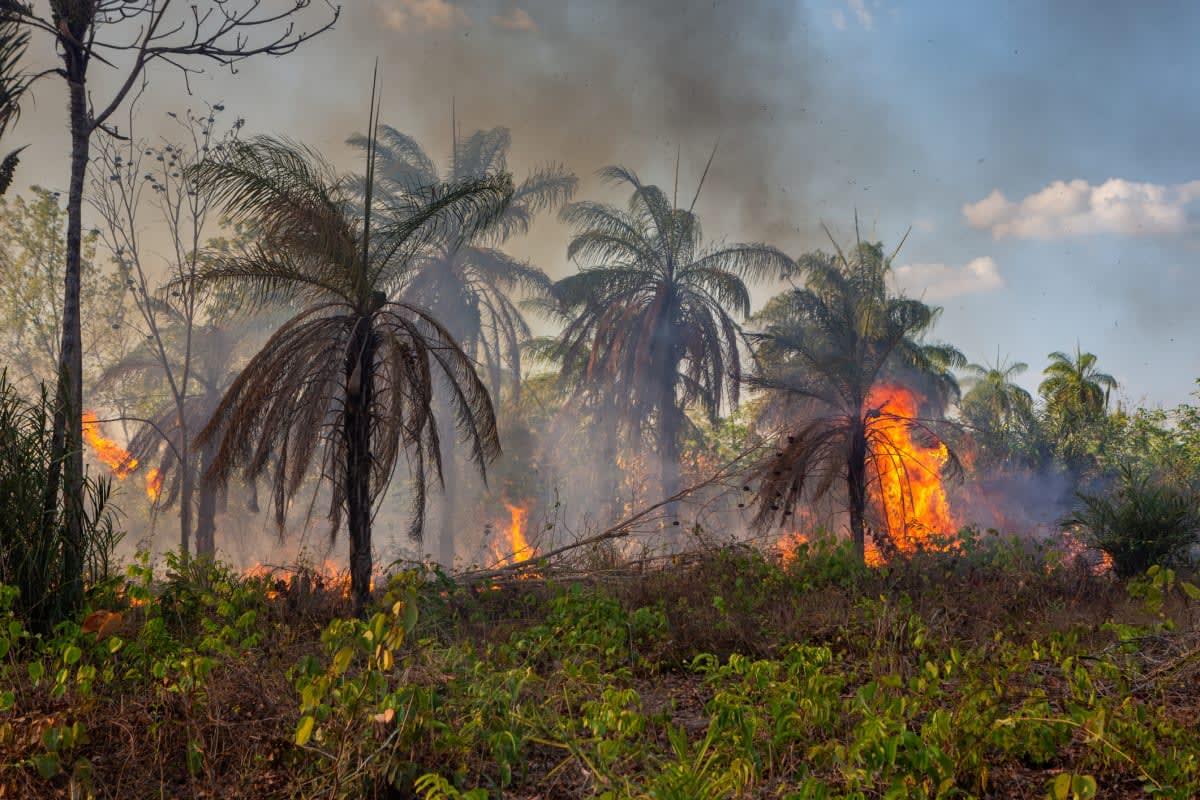
Fires and deforestation in Amazon rainforest
Nobody intended to wreak such destruction, but so many years of deforestation, land exploitation, and resource extraction have left the Amazon hanging on a “tipping point.” Between 1985 and 2023, it lost 13 percent of its protective cover. The immense stock of carbon that sits in the Amazon and protects the planet by absorbing shiploads of greenhouse gases is now leaking due to the insufficient biomass cover. Ruining of biomass triggers a domino of destruction, starting with increased greenhouse gas emissions, less rainfall, more pollution, and overall ecosystem wreckage that leaves the planet disturbed.
Scientists have been keeping an eye on Amazon’s health by spying on its activities with satellites. In 2006, the Brazilian Association of Vegetable Oil Industries (ABIOVE), the largest soybean trader in Brazil, signed a historic conservation agreement called Amazon Soy Moratorium (ASM) that barred farmers and traders from purchasing soy produced in the Amazon as a way to put a cork on deforestation. For several years, the agreement proved highly successful. As Glenn Hurowitz, Founder and CEO of Mighty Earth shared with GreenQueen, the deforestation plummeted to near-zero levels within three years of this agreement’s release.
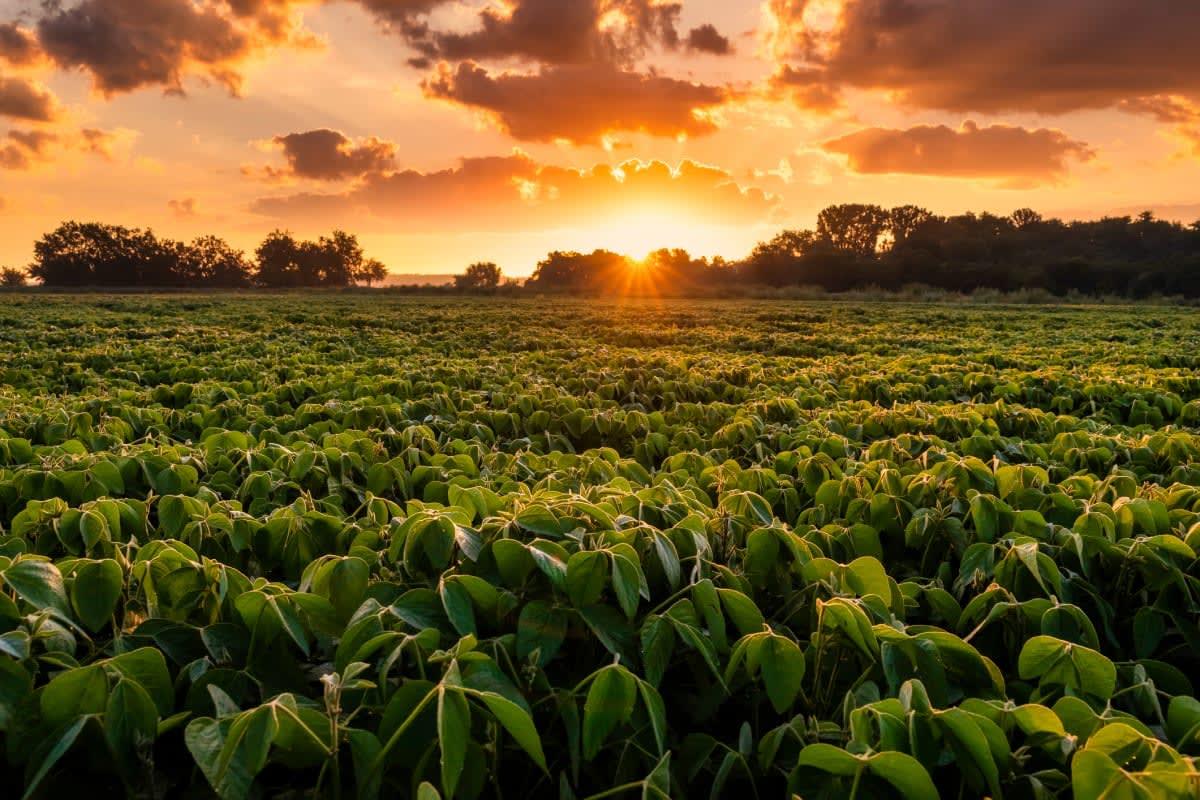
Rows of soybean crops in a field bathed in sunset's colors
However, recently, a political curveball and legal squabbles have suddenly prompted many of the contributing traders to withdraw from the agreement. The mass withdrawal has left Amazon abandoned, vulnerable to rampant destruction, and a powerless victim of the climate crisis.
And with disruptions in the world’s most successful anti-deforestation policy, the shockwave reverberates through the Amazon, confirming the worst fears of climate scientists. Most of the members’ logos have already disappeared from the agreement’s official website, per Mongabay. Major traders like Cargill, Bunge, McDonald's, Louis Dreyfus Company, and COFCO International are planning to opt out, and the agreement, therefore, is on crutches.
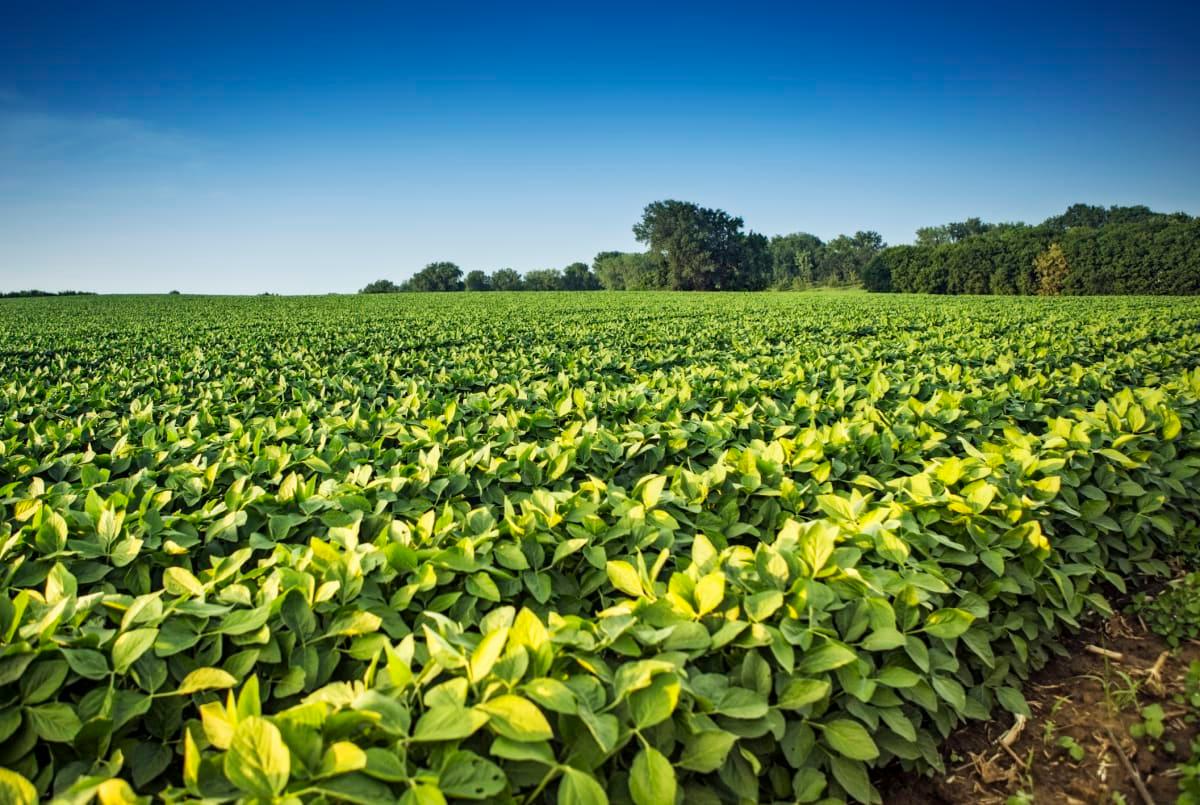
Rows of soybean crops in a field
The agreement states that traders cannot buy soy grown on land where deforestation occurred after July 2008. Ever since it was rolled out, it has remained one of the strongest shields of the 2-million-square-mile forest, cradling nine countries of South America. But after a tax law came out on January 1, everything is going haywire. The lawsuit eliminated the tax benefits for members of the moratorium, taking effect in Mato Grosso, the Brazilian state, the leading supplier of soybeans in the country.
Saddened by the tragic twist, Hurowitz lamented to Grist that he has never seen a time in his entire life when political elites care less about nature. He urged commodity traders like Cargill to work harder to demonstrate their commitment to protecting Amazon and the entire planet.