
UN Scientists Raise Alarm as The World Enters Unprecedented Era of ‘Water Bankruptcy'
Published Jan. 21 2026, 3:28 a.m. ET

Locals filling water canisters from a public fountain during Romania's water crisis.
The blue-green pieces of this planet humans call home aren’t just aesthetic visuals that advertise the presence of life, something which other planets don’t. These pieces are also the planet’s savings accounts that safeguard the security vault of choppy, sinuous, delicate waters that humans use in everything from their drinking water bottles to boiling pastas, from feeding pet cats to washing their brand-new cars. In recent years, however, the unrestrained human activity has set off a domino of over-exploitation that has left the world in what scientists call a “global water bankruptcy.” According to a UN report, billions of people across the world are suffering from water insecurity, and scientists are only trying to figure out how to get the situation “back to normal.”
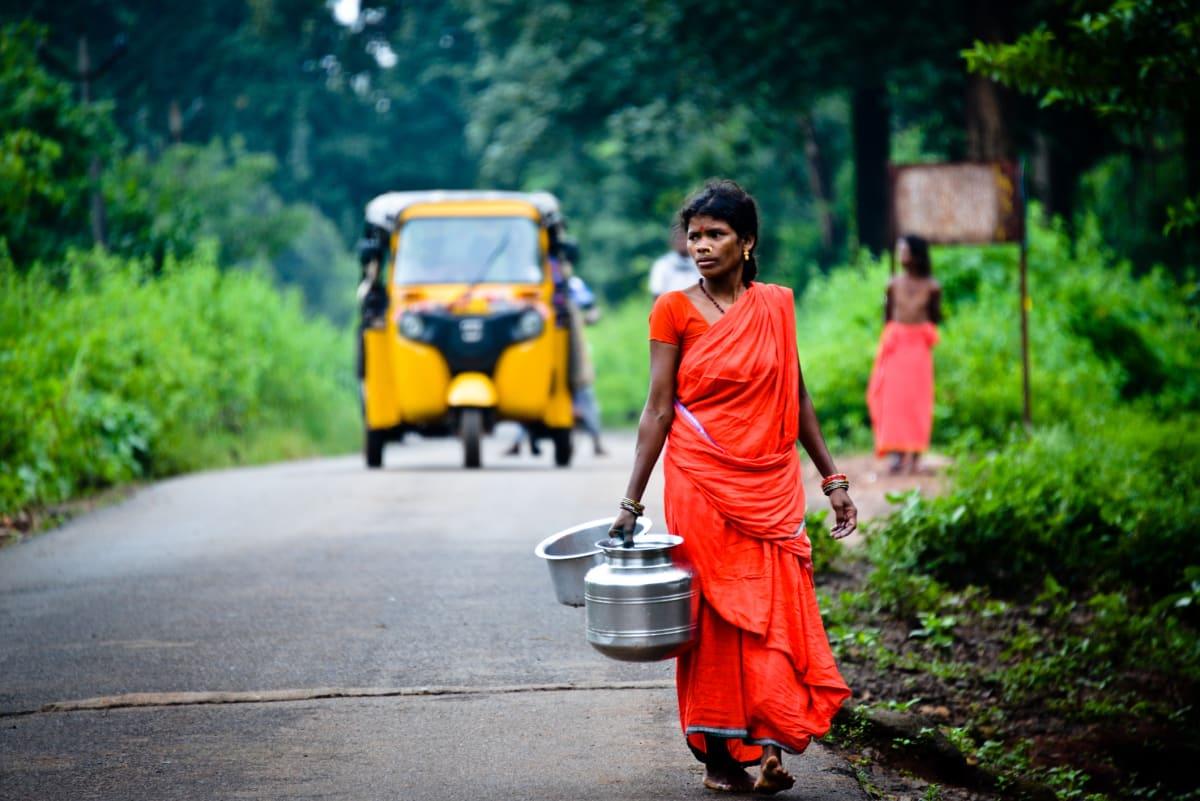
Woman in orange sari hauling steel buckets to fill with water amidst water scarcity
Researched by scientists from the United Nations University Institute for Water, Environment and Health (UNU-INWEH), nicknamed “The UN’s Think Tank on Water,” the report will be published in Water Resources Management. Much like financial bankruptcy, water bankruptcy sees the world using more water than nature can recycle in a given period. This imbalance in the income and expenses could soon propel the planet towards a cataclysmic ruin.
The freshwater boundary of the planet has been meandered with the overuse of water resources, uncontrolled pollution-causing activities, urbanization, and relentless economic growth. Heedless extraction and over-exploitation of long-standing reservoirs is slowly bringing the world past the point of restoration and recovery. Add to it the terror of the climate crisis and warm winds that are whiplashing above glaciers, melting their snowpack.
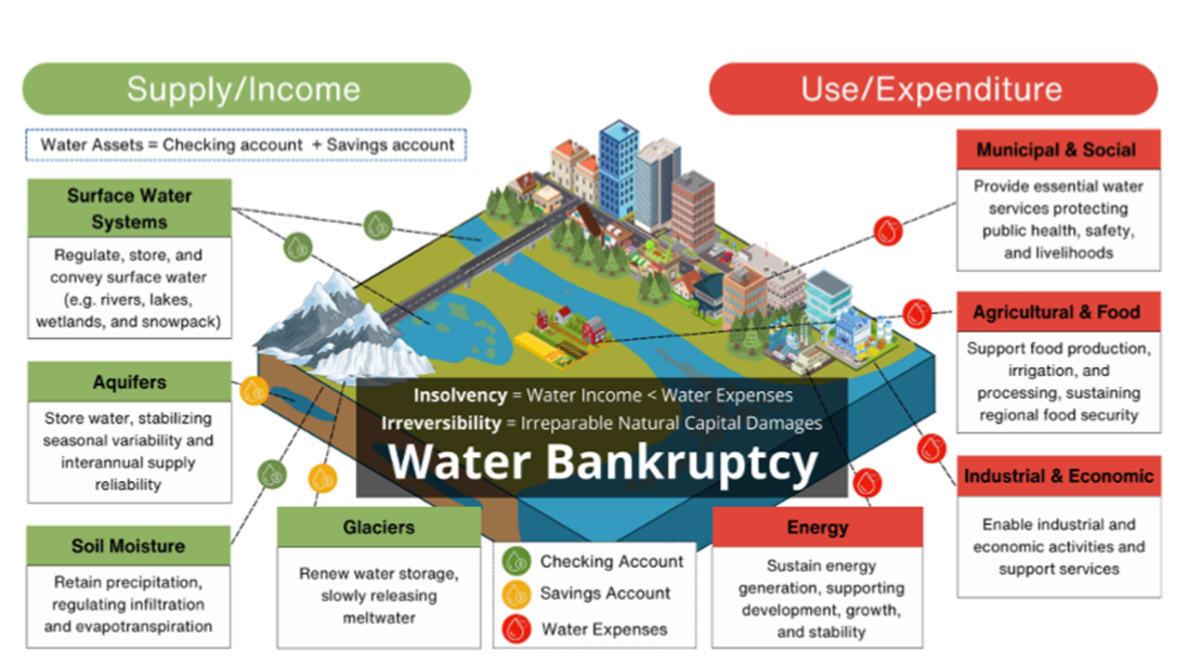
Scientists share a diagramatic depiction of water supply versus water expense, the imbalance in which is leading the world into a water bankruptcy
Since 2010, especially, the water-related conflicts have risen. Major rivers like the Colorado are failing to reach the sea. Many cities, like Chennai in India, are already running out of water. Some of the world's densely populated river basins are drying up. Wildlife continues to suffer as humans incessantly “steal” water from nature. Half of the world’s lakes have shrunk. 35% of the wetlands, a.k.a. “shock absorbers,” have vanished. The bevy of factors also includes concentrated buffers like toxic algal blooms, forest fires, deforestation, and prolonged dry spells. Heavy industrial activities and mining processes only aggravate the situation as they release burdensome deluges of heavy metals, plastics, and toxic chemicals in watercourses, which makes the water unsuitable for nearly anything. This kind of water bankruptcy, researchers noted, cannot even be captured by intense terms like “water stress” or “water crisis.”
In a press release, lead author Kaveh Madani reflected on the situation and said the report screams an “uncomfortable truth.” Many societies are exhausting more water resources than they are replenishing. Not the entire world, but not less than three-quarters of it is going water bankrupt, which is approximately 6 billion people.
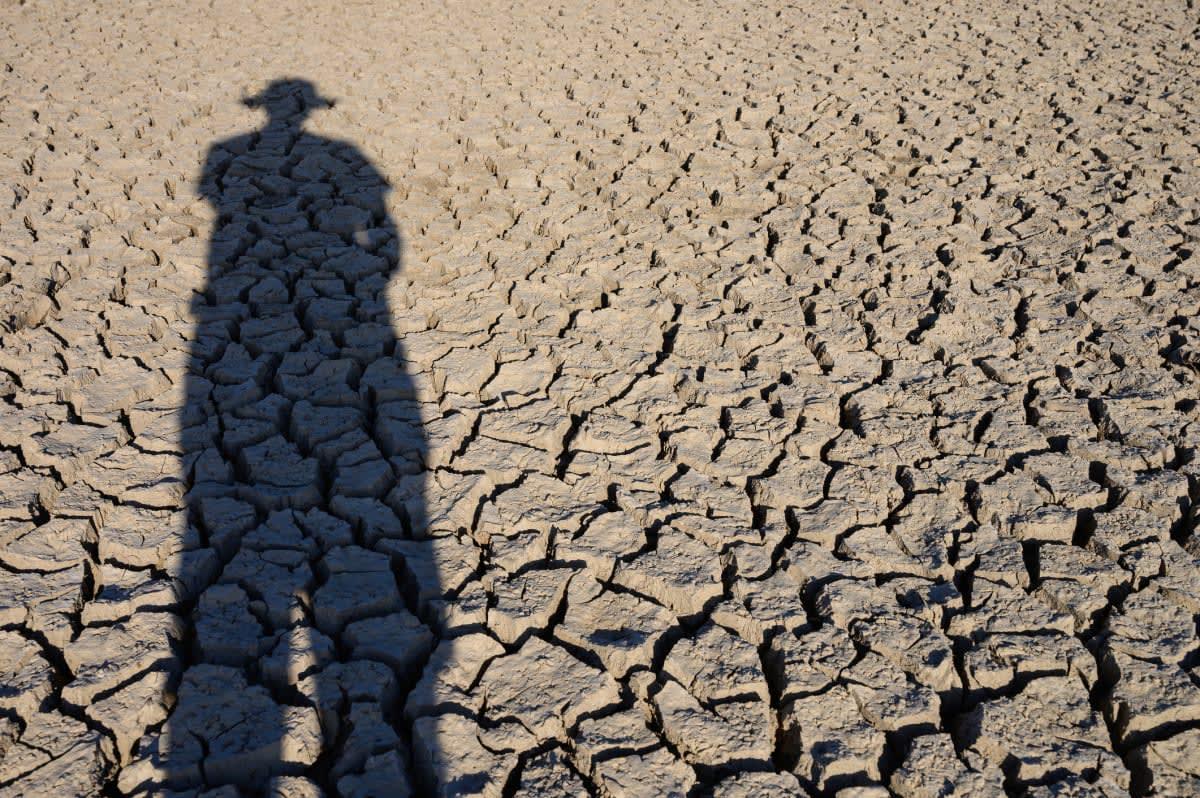
Shadow of a person standing in a drought-stricken land depicting water scarcity in the area
This report is a canary in the coal mine that scientists are viewing as a brilliant strategic, untapped opportunity to reset the hydrological boundaries of the planet. This boundary-setting is something that requires immense “honesty, courage, and political will,” as Madani remarked. Rather than tinkering with orthodox water management systems, a brutally honest approach is required that will reframe the water governance system across the globe.
Scientists are inviting world leaders to share their contributions to this honest, science-based, new reality. This reality, they believe, will use water as a central medium to integrate the fragmented world and create unity between nations. It is not only one of the most pressing concerns of the present day, but also a life-and-death circumstance for the planet that needs to be shifted to the front burner. Because without sufficient water, the blue-green pieces of our home wouldn’t remain blue-green anymore. They would fade into dullness and perish into the shadows of lifelessness.