
NASA Races to Restore Connection With Decade-Old Mars Orbiter After Unexplained Signal Loss
Published Dec. 11 2025, 4:26 a.m. ET

An illustration depicting NASA's Mars Atmosphere and Volatile Evolution (MAVEN) spacecraft near Mars.
The MAVEN (Mars Atmosphere and Volatile Evolution) spacecraft, which has been orbiting Mars for over a decade, suddenly fell silent. NASA has been doing the best it can to restore the connection, after contact to ground stations was abruptly halted on Saturday, December 6. The U.S. space agency revealed that the spacecraft was functional until the occultation phase that day. NASA revealed that the telemetry data captured before the signal loss showed that the subsystems were operating as expected. However, the moment the spacecraft emerged from behind the planet, the agency stopped receiving signals. NASA teams are exploring the onboard fault and glitches in communication on Mars that may have caused the signal loss and will ensure that the reason is shared as soon as they determine it.
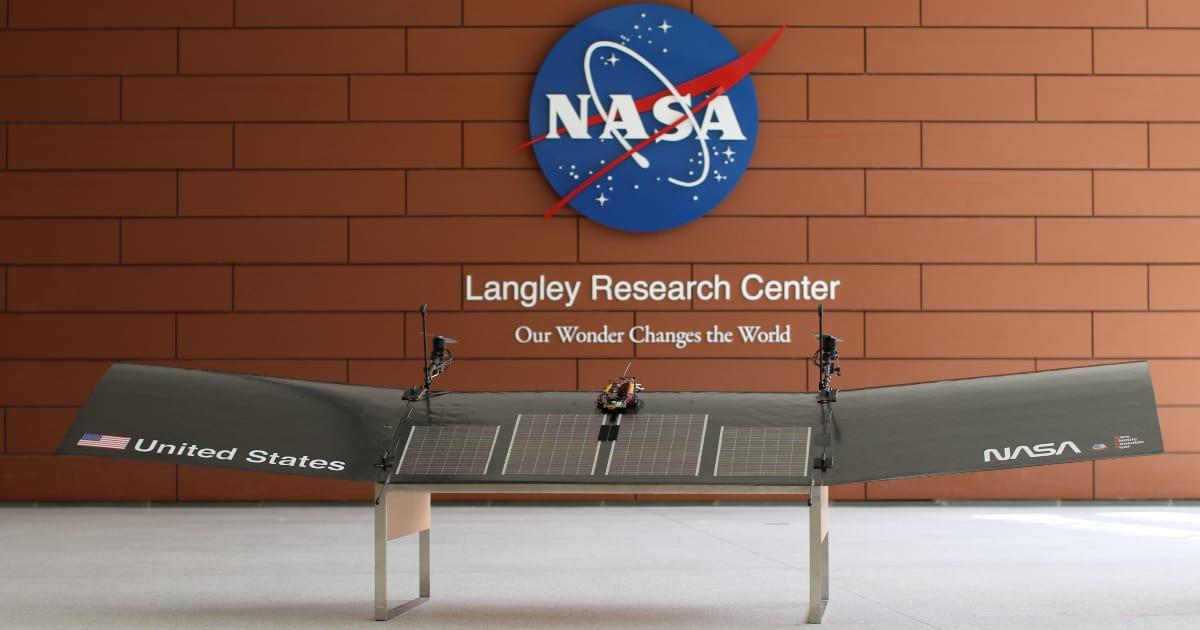
A NASA spacecraft
"The spacecraft and operations teams are investigating the anomaly to address the situation. More information will be shared once it becomes available," the agency said in the statement. The MAVEN spacecraft was launched in November 2013 and arrived at Mars the following year to study the planet's ionosphere, upper atmosphere, interactions with the Sun, and solar winds. The data collected through the spacecraft over the years has helped scientists understand how Mars gradually lost most of its atmosphere, from warm and moist to the cold and dry planet we see today. The MAVEN's observations have been crucial in determining the history of the Red Planet's climate, liquid water, atmosphere, and habitability.
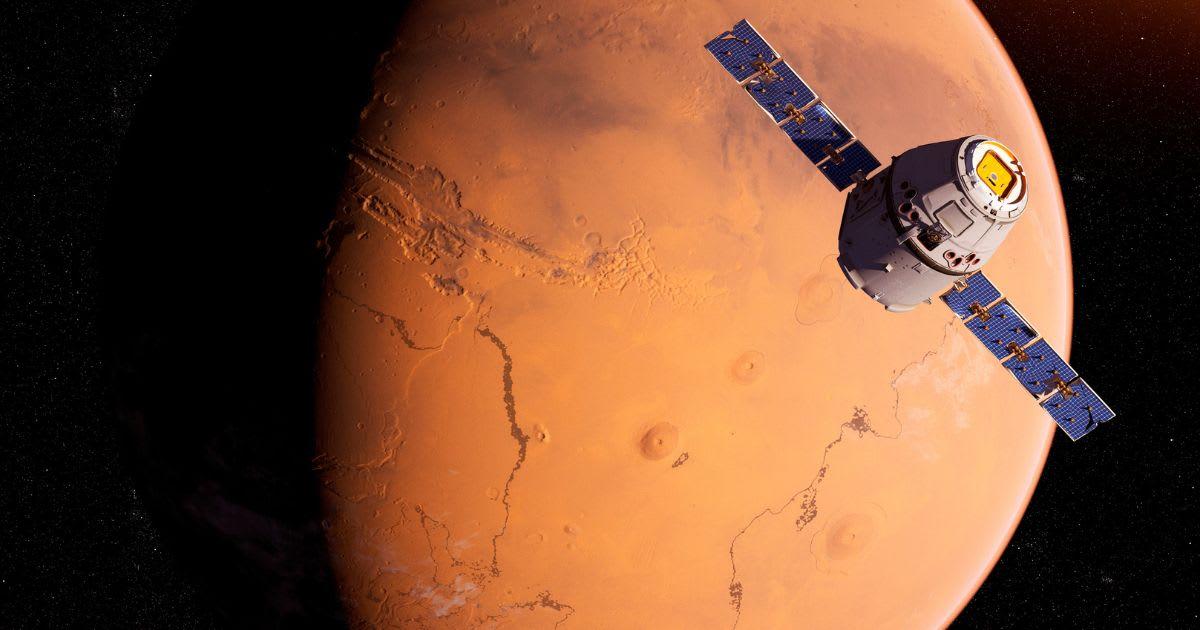
A spacecraft orbiting Mars
Moreover, the spacecraft has acted as a key communications relay for NASA's rovers on the Martian surface. The surface rovers use orbiters such as MAVEN to efficiently transmit data back to Earth. Amid the temporary loss of connection with the spacecraft, scientists are relying on the other two active rovers that are still orbiting the planet: the Mars Reconnaissance Orbiter (launched in 2005) and the Mars Odyssey (launched in 2001). The former was launched with the mission to identify if water persists on the surface of the Red Planet. The spacecraft managed to capture some memorable images from the planet, including the peculiar surface shape resembling a teddy bear in December 2022. "A V-shaped collapse structure makes the nose, two craters form the eyes, and a circular fracture pattern shapes the head," the agency said at the time.
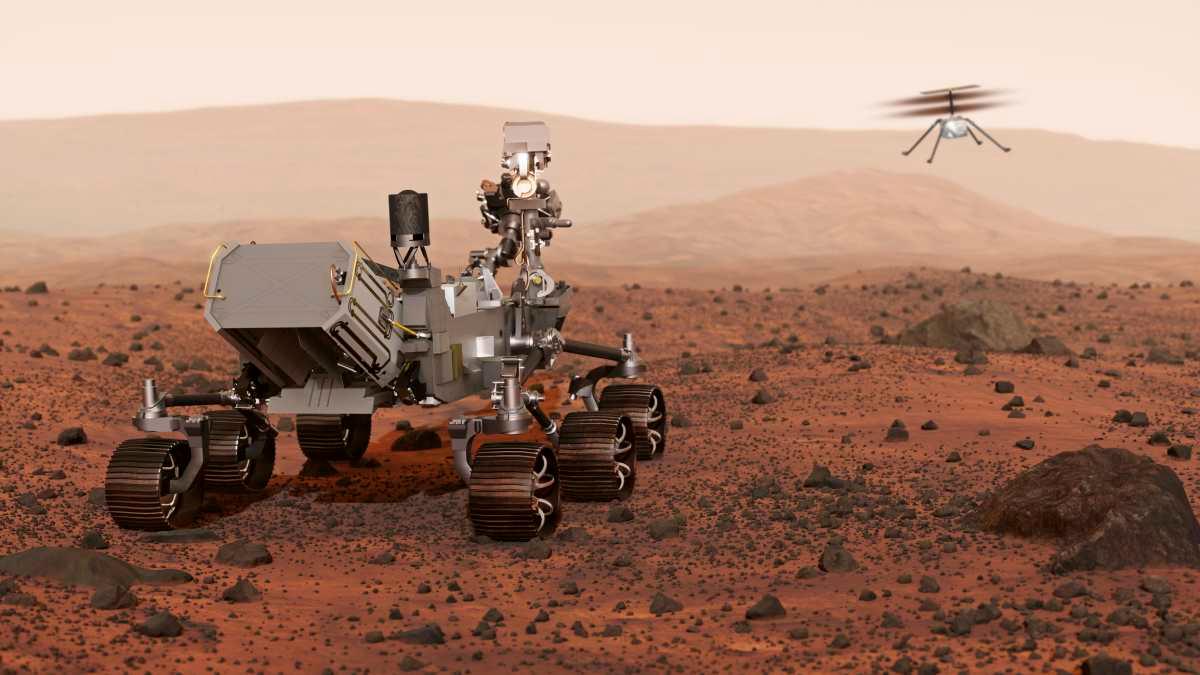
NASA's clever space robot Perseverance Rover sitting on Martian soil
In 2019, the MRO HiRISE captured a shape that resembled a Star Trek logo. "Enterprising viewers will make the discovery that these features look conspicuously like a famous logo," the University of Arizona, which manages the MRO HiRISE, said in a statement at the time. "You'd be right, but it's only a coincidence," they added. The Mars Odyssey has helped scientists understand the chemical elements and minerals present on the planet's surface. "The spacecraft also holds the record for the longest continually active mission in orbit around a planet other than Earth." It has been central in studying the clouds, fog, and frost on Mars. Moreover, it helps map the Martian rocks present on the surface, allowing scientists to determine the perfect and safest place for future landings.