
More Grizzlies Are Dying in Yellowstone Than Ever Before — and Humans Play a Big Role
Published Dec. 31 2025, 4:11 a.m. ET

A man is taking a photograph of grizzly bears.
A shocking number of grizzly bears have died in 2025 at Yellowstone National Park, and humans are responsible for most of them. According to a recent preliminary data release by the U.S. Geological Survey, at least 72 grizzly bear mortality has been recorded, as reported by Daily Montana. Matthew Gould, the Interagency Grizzly Bear Study Team’s leader, confirmed one more death in the holiday season, which tied this year's record to last year's. Both this and last year's data are the highest recorded annual mortality of the species at Yellowstone. According to the outlet, the mortality rate increased by 35% over the two years, beating the 10-year average of 54 deaths annually. In 2022 and 2023, the recorded deaths were 47 each, less than the usual average.
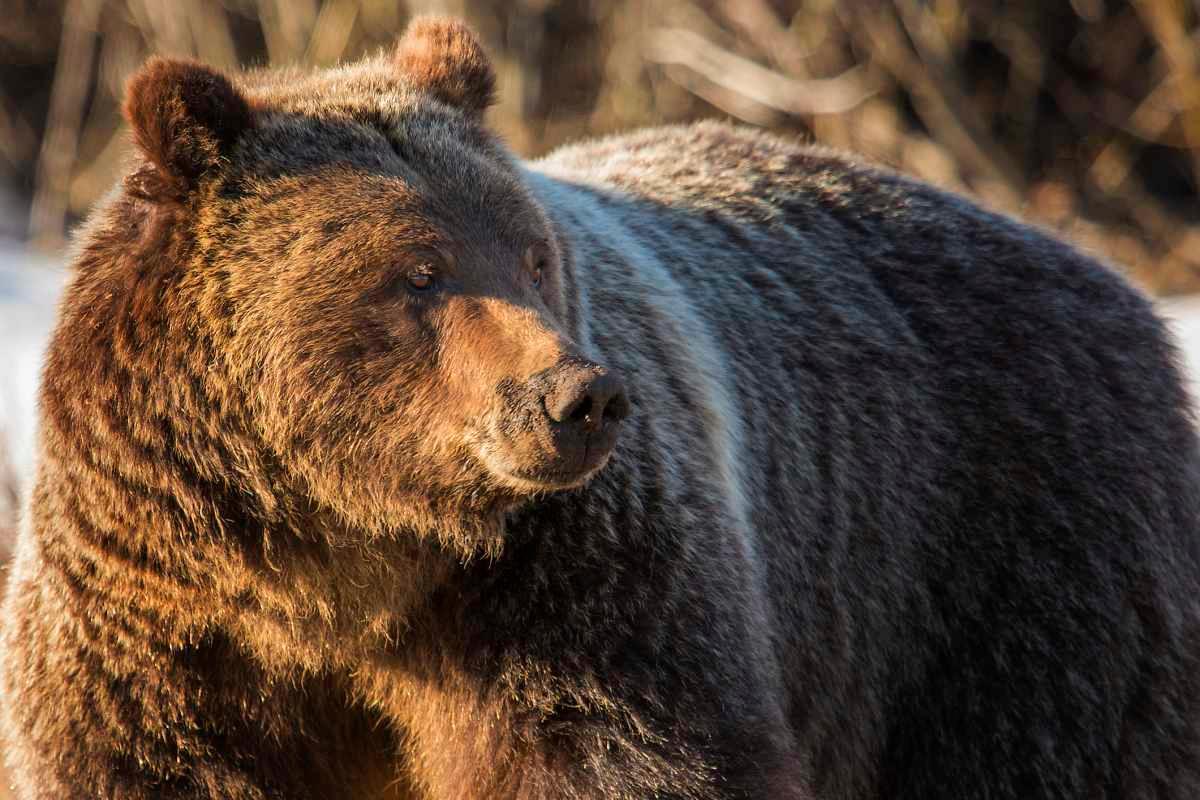
Hulking brown grizzly bear roaming in a national park
This makes the sudden surge in mortality rate even more concerning. Despite several delisting requests, the grizzly bears continued to be a threatened species under the Endangered Species Act, providing the species with better protection. An expert has claimed that the rise in mortality of the species is the result of the increased population. However, other conservationists argue that strong federal protection and restoration action plans are the need of the hour for the grizzlies. While the staggering number of deaths is quite concerning, Gould has assured that there have also been success stories in grizzly bear conservation. “What should be noted is that looking at just the frequency of mortalities — although it can be informative — can be misleading at times,” he told the outlet.
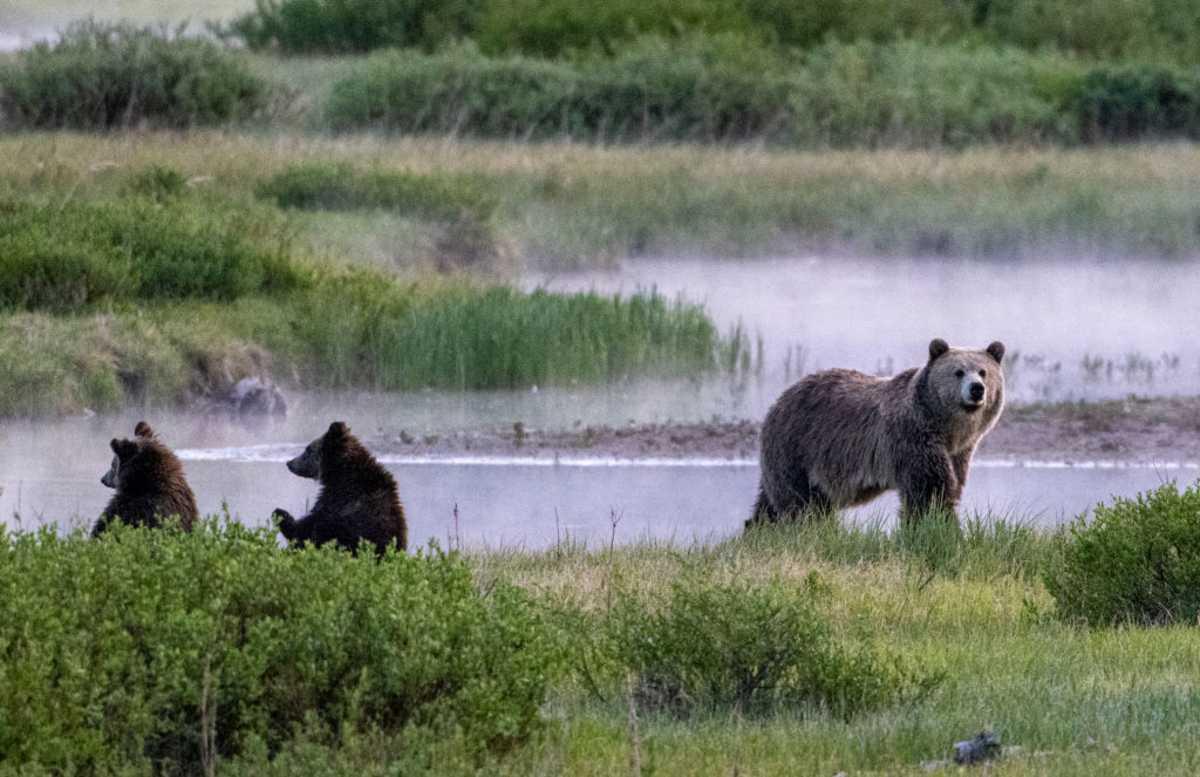
A grizzly bear and her two cubs in Yellowstone National Park.
“As we’ve seen record mortalities occur, we’ve also seen record population abundance, and the population is still growing," he added. The expert revealed that 2024 witnessed a surge in population, with about 1,050 bears recorded in the region. This number is 3% more than the year before and way more than the early population records. In the early years of recovery, the population barely crossed the 500 mark, which is why Gould emphasizes the conservation efforts that may go unnoticed due to the dramatic revelation of mortality rates. “We’ve been reporting for a number of years that we have a large, healthy grizzly bear population that has demographically recovered and that is a conservation success,” he added. The expert believes that about 40 years ago, when the grizzly population was around just about 250, a scenario with more than 1000 of the species was hard to even imagine.
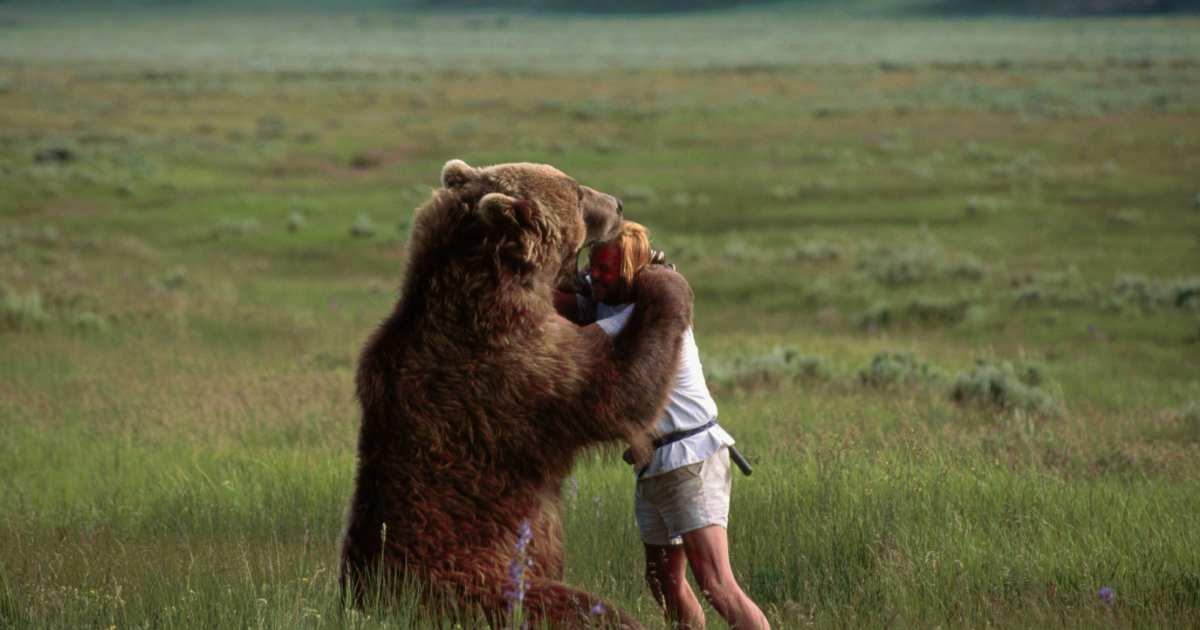
A grizzly bear interacts with a man in a clearing.
But if the ecosystem has been restored for thousands of bears to thrive, then why the depletion in population? The answer is direct or indirect activities of humans. The Greater Yellowstone Ecosystem has suffered a loss in the grizzly population for the same reason. This year, 50 of the 72 grizzly bear deaths were caused by humans, be it shooting or accidents. Nine of the unfortunate losses are associated with road accidents, where the bears were struck by a speeding vehicle. On the other hand, two grizzly bears were shot to death. In one scenario, the human shot at the bear due to mistaken identity, while the other individual shot the grizzly out of self-defense. The record number of visitors to Yellowstone is probably pushing conservation efforts into vain. “You’re kind of burning the candle at both ends,” Gould said, adding, “You have a growing population and distribution of grizzly bears and an increasing human footprint in the ecosystem, and when those two elements meet, you have conflict.”