
Missed the Geminids? You Have One Last Chance to See Shooting Stars in 2025 — Here's How
Published Dec. 15 2025, 9:15 a.m. ET

A person watching shooting stars in the night sky.
Millions of stargazers haven’t yet shrugged away the awe they felt at watching the surreal display of shooting stars during the recent peak of the Geminid meteor shower on the midnight of December 13. And now nature is forthcoming with another dazzling performance: the Ursids meteor shower, set to decorate the night skies between December 13 and December 24, according to EarthSky. The shower will reach its peak on the night of December 21 through the early hours of December 22. Whether you missed the Geminid or you want to see more of the shooting star spectacle, mark these dates in your calendar and gear up your tripods and sleeping bags to witness the annual light show.
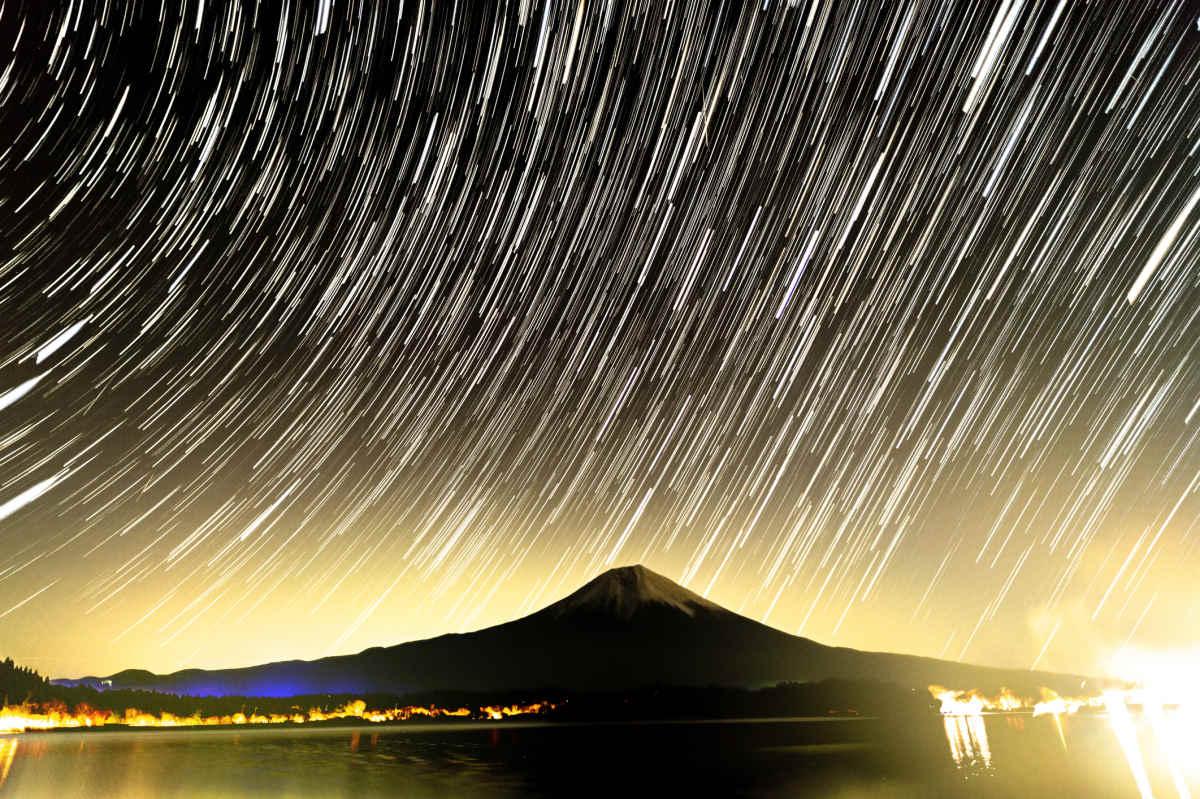
Dazzling meteor shower exploding above a mountain
Also called Umids, Ursids are like the wallflower in the celestial catalogue of meteor showers. While both Geminids and Ursids occur annually each year in December, Ursids are not as well-known as the Geminids. According to NASA JPL, the Ursids is a minor shower with about 5 to 10 meteors visible per hour, much lower than the hourly rate of Geminid meteors. Only those who dare to venture out of their homes on chilly December nights and drive through thick rolls of fog to reach remote locations will get to witness this shower. The best time to spot the shower is around 12:30 am on December 22.
Meteor showers are named after a radiant point that is based on the name of the constellation from which the meteors are streaking and fanning out. In Geminid, for instance, the meteors fan out from the Gemini constellation. In Ursids, the meteors hurtle from a bright orange star, Kochab, in the constellation Ursa Minor, also known as the Little Bear or Little Dipper. Kochab, Space.com describes, is the brighter of the two outer stars in the circle of the Little Dipper, which encircles Polaris, the North Star, due to Earth’s rotation. Together with the other star, Pherkad, it forms the circumpolar “guardians of the pole” that protects the North Star.
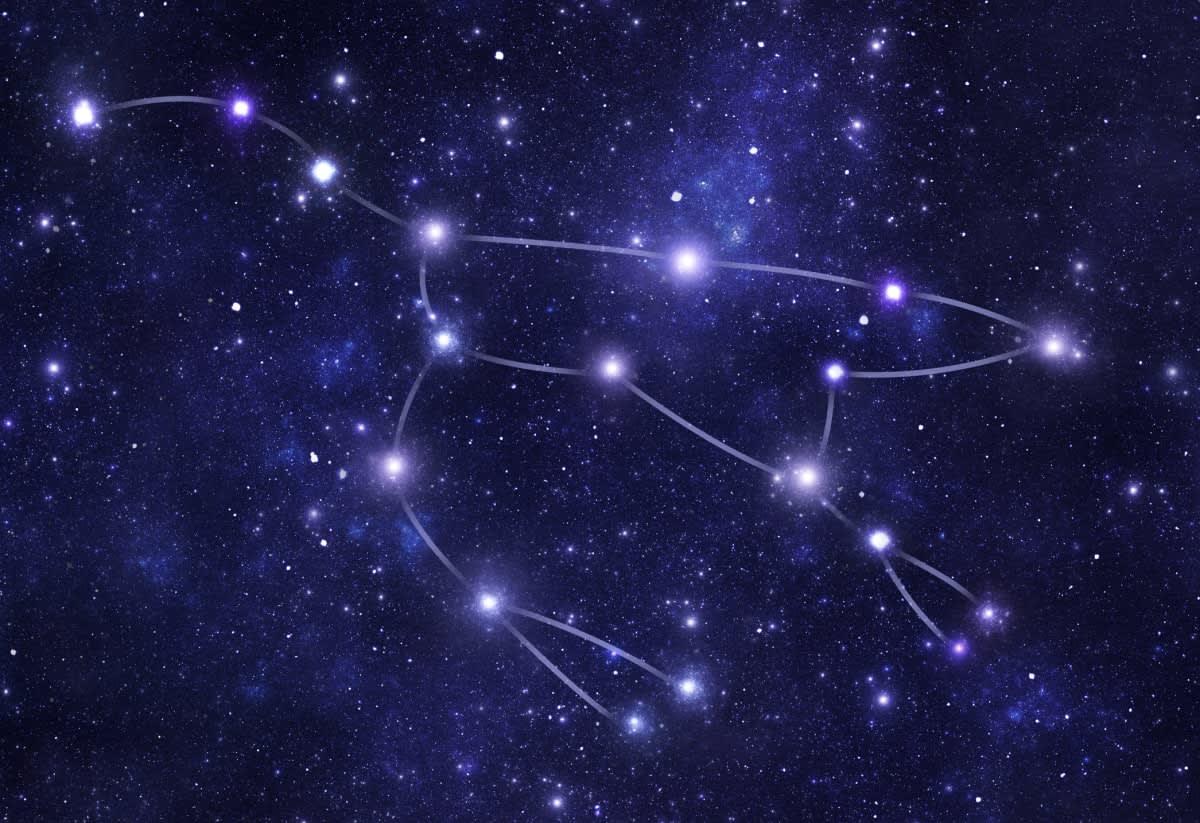
Ursa Major constellation
Meteor showers usually occur when Earth's orbit clashes with remnants or trains of debris left over by comets. When Earth slams into these pieces of rock, the rocks become heated and start charging towards the Earth at millions of miles per hour. The latest Ursids meteor shower is caused by Earth’s orbit slamming into the debris left over by its dusty, icy parent, Comet 8P/Tuttle. During the predicted peak of 2025’s Ursids, the meteors will shower at about 20.5 miles per second, per the American Meteor Society.
And although Ursids remain relatively poorly observed in the Northern Hemisphere, this year they have an advantage. Since the new moon will peak two days before the Ursids' peak time, it won’t interfere with the view of the meteor shower. Viewers can enjoy the spectacle in the dark sky, as the moon will be 3% full. This year, the timing of the Ursids slightly coincides with the Winter Solstice on December 21.
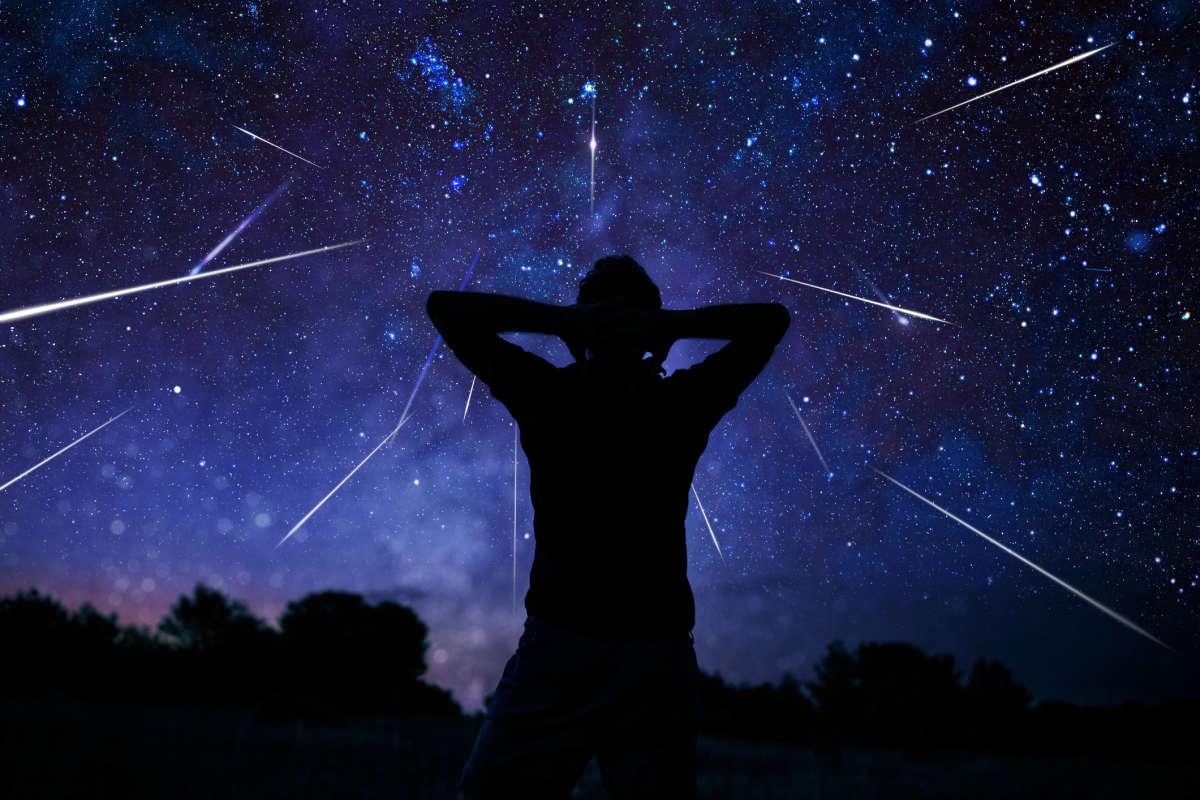
Silhouette of a man beholding a glittering meteor shower in the night sky
Ursids may have always been overshadowed by Geminids, mainly due to the holiday season, but also because of their quiet, reclusive, modest behavior. It materializes in short bursts of activity, and only those who have the patience and intensity to view it might receive the unexpected, mysterious visual treats it has to offer.