
Massive Lithium Source Hiding Under a Volcano in Nevada-Oregon Border Can Power World’s Batteries for Decades
Published Dec. 1 2025, 7:27 a.m. ET

A man looking at a volcano.
Over the years, experts have discovered several valuable mineral deposits in places no one ever expected—from the depths of the oceans to the vast deserts. These discoveries often bring excitement to scientists and researchers alike, providing them with an opportunity to conduct new research. It also reminds us that our planet still holds many hidden treasures. In one such exciting news, a group of scientists has now discovered one of the largest lithium-rich clay deposits ever, hidden beneath an ancient supervolcano located on the Nevada-Oregon border in the United States.
The findings of the research have been revealed in a study titled, ‘Hydrothermal enrichment of lithium in intracaldera illite-bearing claystones,’ which was published by the journal Science Advances. It suggests the McDermitt Caldera might contain a massive 20 to 40 million metric tons of lithium, which is astonishing because, based on the current U.S. contract price of around $37,000 per ton of lithium carbonate, this deposit could be valued at nearly $1.5 trillion. It has been reported that around 16 million years ago, a massive eruption emptied the magma below this region, leaving behind layers of ash that eventually turned into volcanic rock.
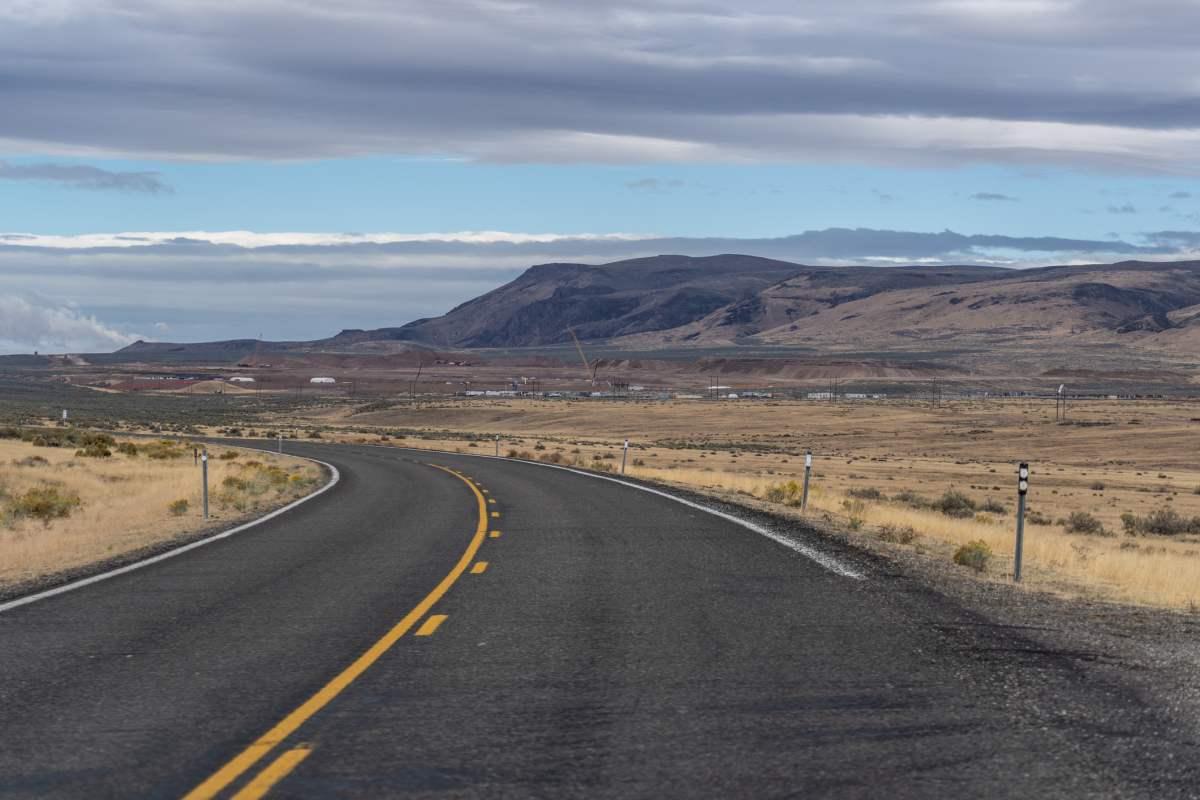
An open-pit Lithium Mine at Thacker Pass.
Later on, a lake filled the crater, collecting ash and mud, and over the years, these lake sediments turned into claystones that now hold the lithium. At Thacker Pass, this uniquely formed natural layer is about 100 feet thick and is found very close to the surface, making it easier to mine. Tests also show the clay has about 1.3% to 2.4% lithium by weight. All of these details set this site apart from other clay-based lithium deposits, as reported by Earth. Lithium is a type of chemical element that has become very important these days as it fuels the production of rechargeable batteries that are widely used in a majority of electronic devices like smartphones, laptops, electric vehicles, and large energy-storage systems.
The research team went on to claim that worldwide lithium needs could rapidly rise to one million tons annually by 2040, which is about eight times more than the quantity produced in 2022. This soaring demand is why a rich deposit in one location attracts governments and energy-related industries. However, extracting lithium from clay will be an extremely challenging process because the metal is locked inside the minerals. To pull it out safely, engineers have to crush the clay, treat it with specific chemicals, and then carefully separate the lithium.
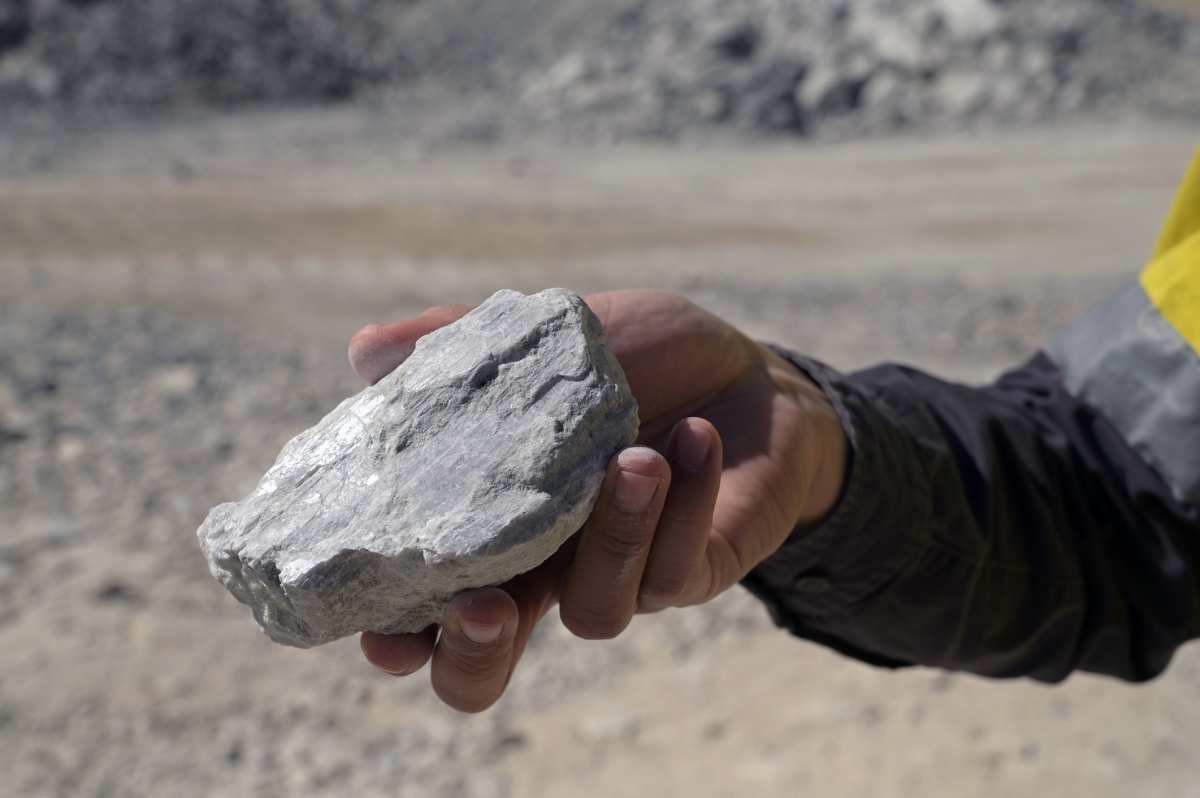
A Lithium-rich rock.
Meanwhile, a deposit of this scale also brings major environmental challenges. Tribal groups and locals in the region worry that a large mining project could have a significant impact on the waterways, wildlife, and grazing lands. On the other hand, those who are in favor argue that setting up extraction in one clay deposit may reduce the need for numerous smaller mines elsewhere. Either way, the recent McDermitt discovery has reshaped scientists’ understanding of how and where valuable minerals can accumulate.