
Here’s What Will Happen if Our Entire Planet Loses Oxygen for Just 5 Seconds
Published Jan. 5 2025, 11:15 a.m. ET

(L) A satellite photo of Earth. (R) A boy wearing an oxygen mask. (Representative Cover Image Source: (L) Pixabay | WikilImgaes, (R) Pexels | Cottonbro Studios)
Water is life but what is water without oxygen? Water is made up of eight parts oxygen and only one part hydrogen. Hence, it is almost impossible to imagine a world devoid of oxygen as millions of creatures depend on it for survival. But an interesting video by a popular YouTube channel, What If (@WhatIfScienceShow) urged people to speculate on what would happen if the world lost oxygen for a while– only five seconds.
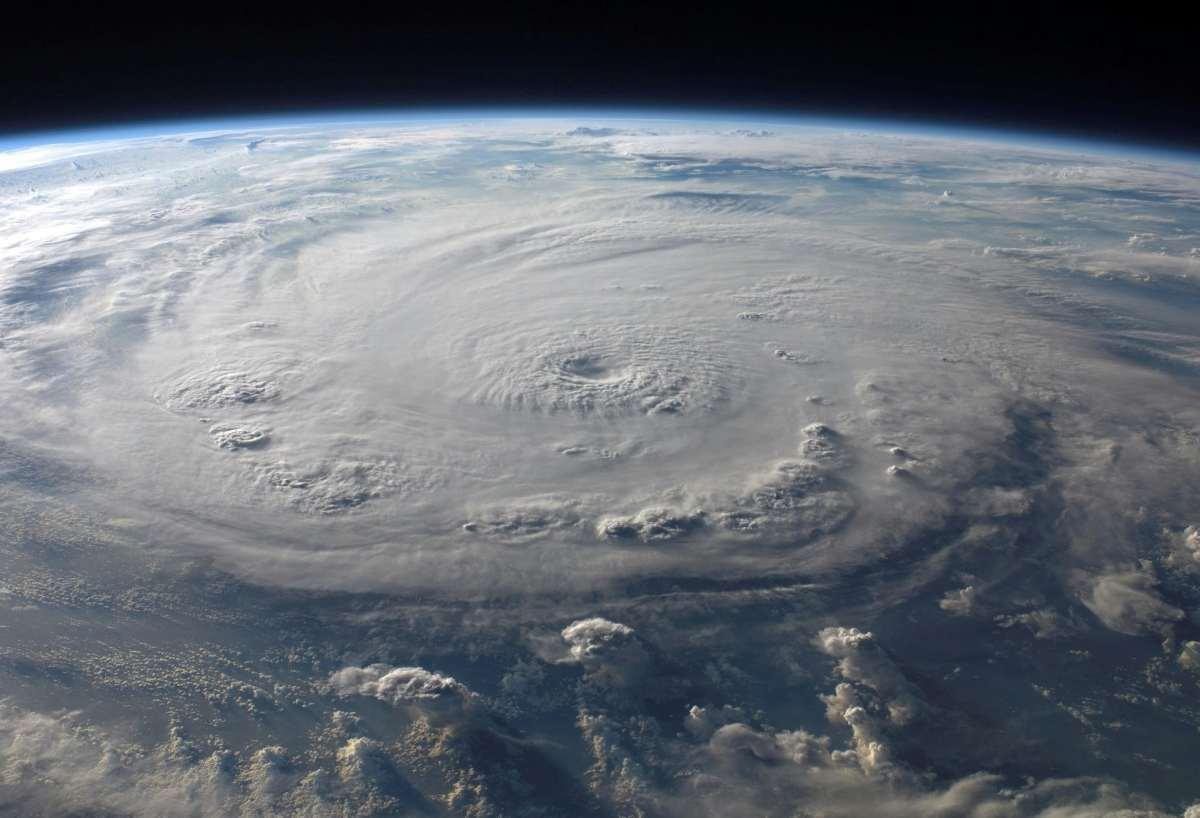
Picture of Earth's atmosphere from a satellite.
Oxygen comprises 21% of all the gases in the Earth’s atmosphere, the second most abundant after nitrogen with 78%. Despite that number, if the planet’s oxygen vanished for a few seconds, the man-made world would crumble. Most of the buildings and infrastructure are built on a foundation of concrete– a material whose durability is greatly affected by oxygen. The video takes examples of the Hoover Dam and the Pantheon Dome, structures that would come crashing down if oxygen is lost, be it only for five seconds. “Oxygen acts as a special binding agent for concrete. Without it, concrete is just dust,” the video stated.
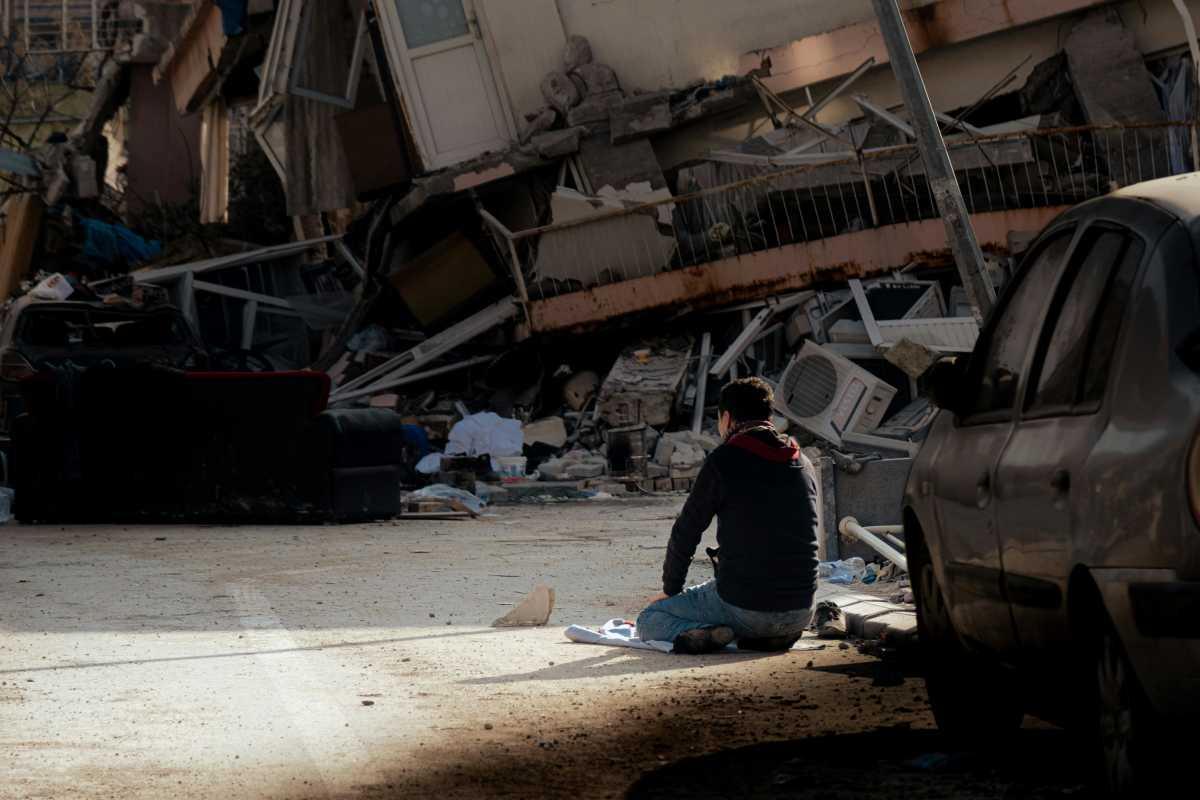
Man scared by a collapsed building.
Additionally, oxygen loss would impact another essential building material– metals. All untreated metals will reportedly weld together because the layer of oxidation that prevents it will not exist anymore. The absence of the oxidation layer will cause the metals to bind together potentially risking all infrastructure on the face of earth. Lighting a fire would not be possible since the combustion process is highly reliant on oxygen too. Simultaneously, vehicles, trains, planes, and other fuel-burning machines will stop working. An oxygen-devoid earth will be dark, literally. The sunlight bounces off several particles in the air before reaching the earth and no oxygen would reduce the air particles for light to bounce off making the sky seem darker.
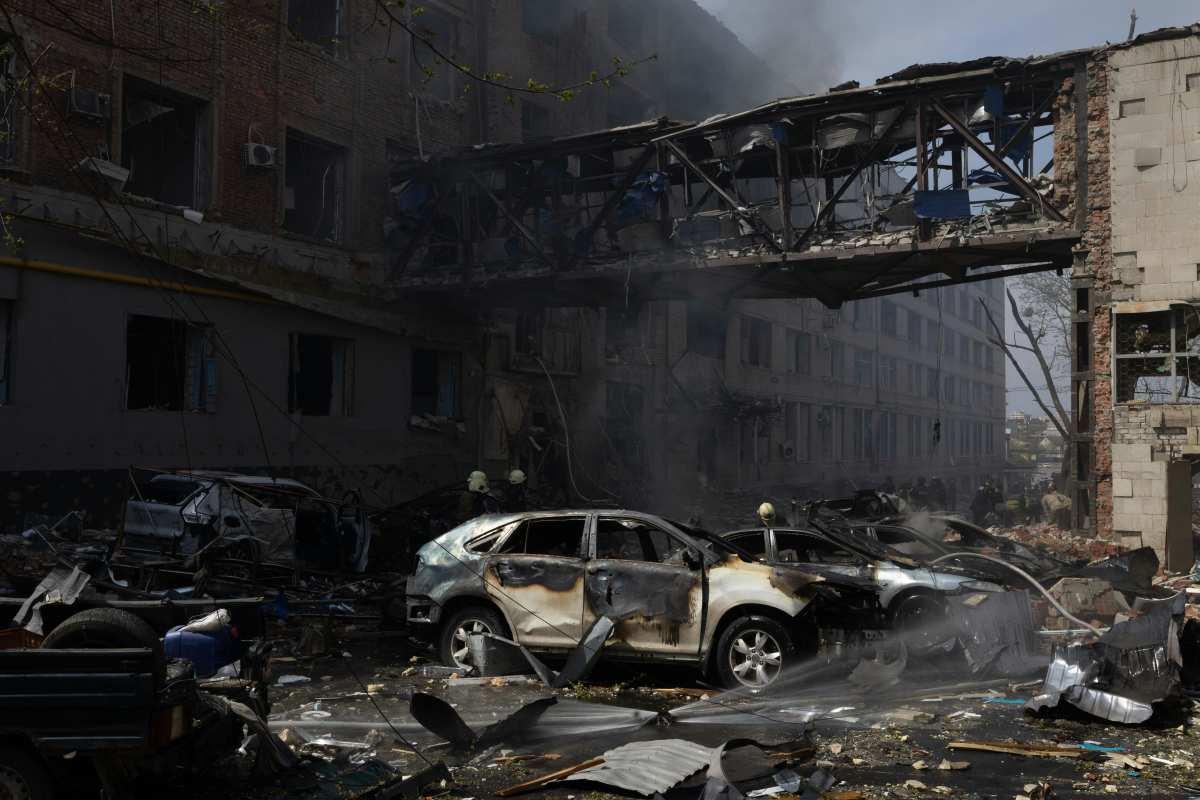
Collapsed building and broken car.
Meanwhile, the human body may not even notice the oxygen deficiency as humans can go about 30 seconds without breathing but the same cannot be said for the material world. The absence of O2 will cause the ozone layer to depreciate and in turn, fail to block the harmful UV rays of the sun. Humans will suffer from severe sunburns and also make Earth inhabitable due to its exposure to UV rays. Besides skin burns, the ability to hear may also be impaired as our inner ear would explode due to a change in air pressure. “Losing oxygen means losing 21% of our air pressure,” the video explained. It would result in a massive shift in the air pressure, almost equivalent to being 2000 meters deep under the sea. Even though the breathing will remain unaffected, human ears will fail to adapt.
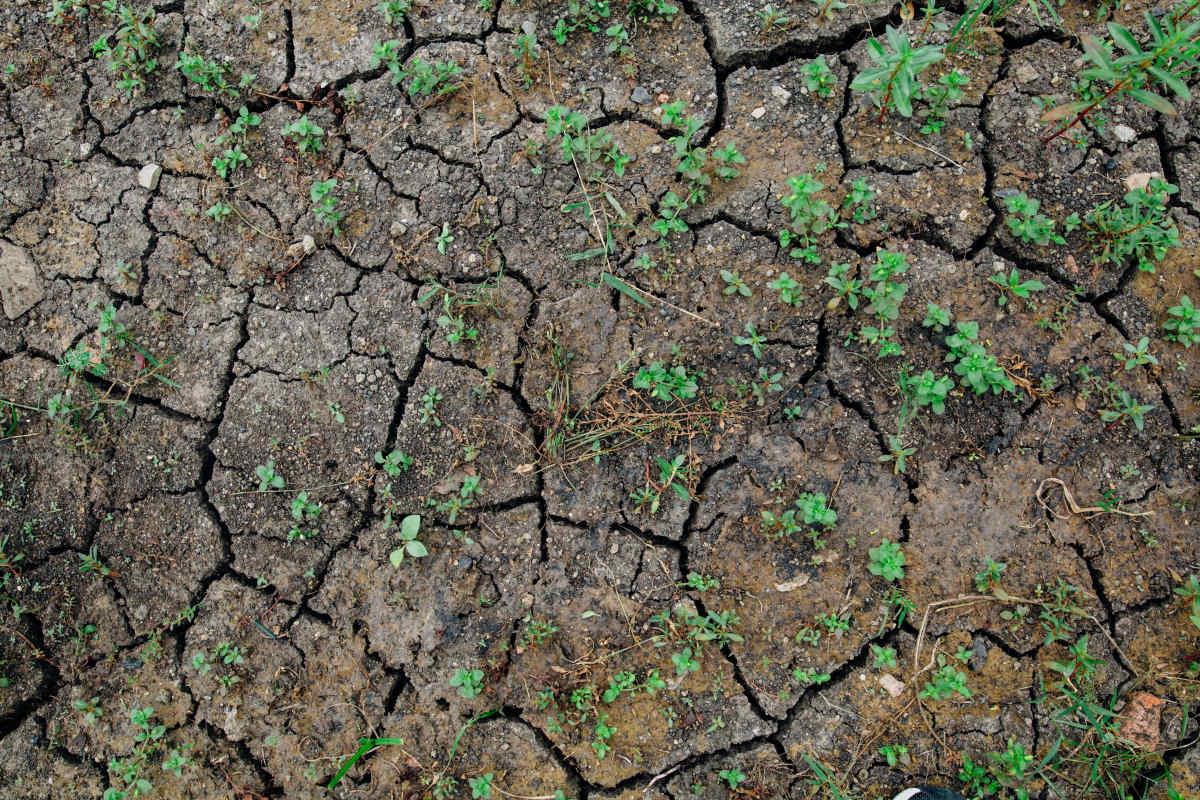
A cracked surface of the earth.
Finally, the earth’s crust which houses life and keeps the vast seas and oceans intact will collapse, sucking in all that is erected on it. The crust is made up of 45% oxygen and five seconds is enough for the earthen layer to crumble “and continue to crumble until there’s nothing left.” This phenomenon would send all living beings on the planet into a “free fall.” It is doubtful if humankind would survive a fatality of such a degree. Oxygen is a colorless, odorless, and tasteless gas but is the most important of all for life. It was first discovered by a Swedish chemist Carl Wilhelm Scheele in 1772 by heating potassium nitrate and mercuric oxide among other compounds, per Britannica. Sounds interesting since humans have been breathing it throughout their existence.
You can follow @WhatIfScienceShow on YouTube for more videos on the environment and nature.