
First Grizzly Bear of 2026 Spotted at Yellowstone. Here's What Drew It Out of Hibernation
Published March 11 2026, 8:31 a.m. ET

Bears wake up hungry. Winter kill like bison carcass is an easy food source.
As winter loosens its grip, the bears of Yellowstone begin to emerge, breaking their months-long slumber. Even though a grizzly was spotted wandering out of hibernation this January in the National Park, March 9 marked this year's first "official" grizzly bear sighting. After spending their hibernating months in isolated dens, the first thing bears do when they wake up is hunt for food. No wonder the large carnivore was spotted feeding on a bull bison carcass in the northern half of Yellowstone, as per Cowboy State Daily. The park's biologists have assigned the first two weeks of March as the official window for bear sightings, and that of 2026 perfectly fits the window.
According to the outlet, the official grizzly sighting in 2025 happened on March 14. In 2024, the same happened slightly earlier on March 3, and in the years before that, bears were spotted on March 7. “The first boars will show up in early March in Yellowstone’s northern range, (usually) at the ponds where bison fall through the ice,” Wyoming wildlife photographer Jorn Vangoidtsenhoven told the outlet last year.
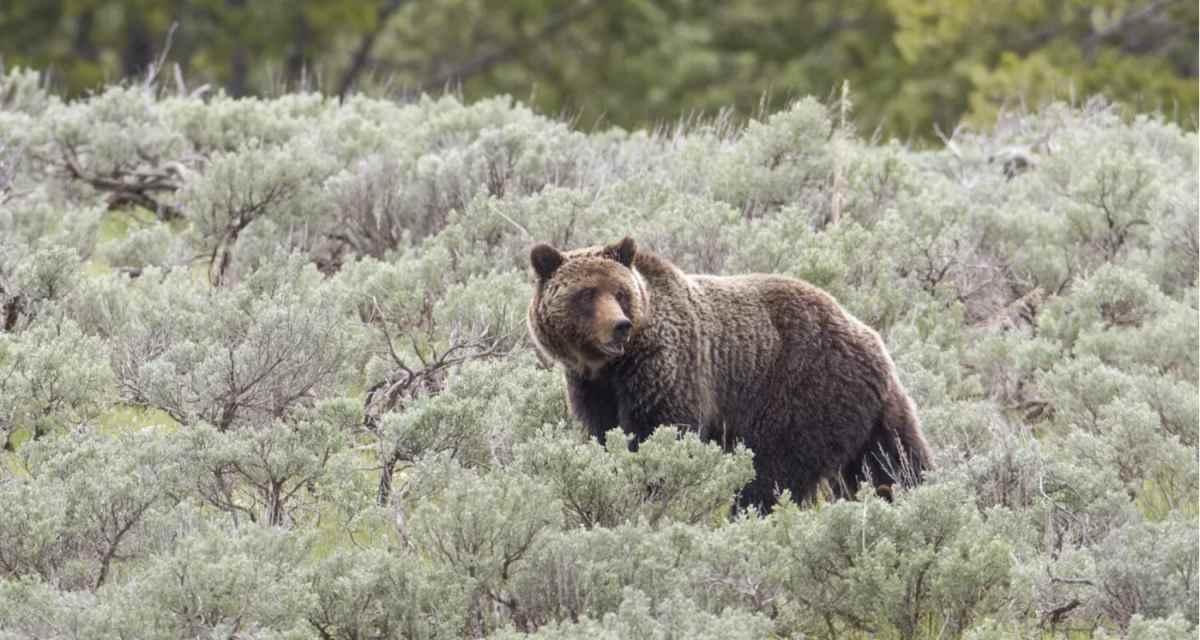
A grizzly bear at Yellowstone National Park.
The male grizzlies break their hibernation earlier than their female counterparts, who remain in the dens with their cubs until April or May. While bears are fearful creatures, hungry bears are far worse. After months of low activity and scarce food, they emerge from their dens with incredible appetites, making them more dangerous than ever. “When bears emerge from hibernation, they look for food and often feed on elk and bison that died over the winter,” said Linda Veress with Yellowstone’s public affairs office. “Bears may react aggressively to encounters with people when feeding on carcasses," she added.
Now that the first grizzly of 2026 is spotted, more will show up in no time. According to biologists, over 1,000 grizzly bears will start waking up in the coming days and weeks. But what's attracting these bears to Yellowstone's northern range? While these carnivores spend their winter peacefully within the protection of their dens, large herbivores like bison and elk, who are stranded in the snow-clad landscapes, often succumb to extreme cold and lack of vegetation. Since the northern range begins to "green up" first as the snow melts, these herbivores, with whatever strength is left in them, manage to reach there.
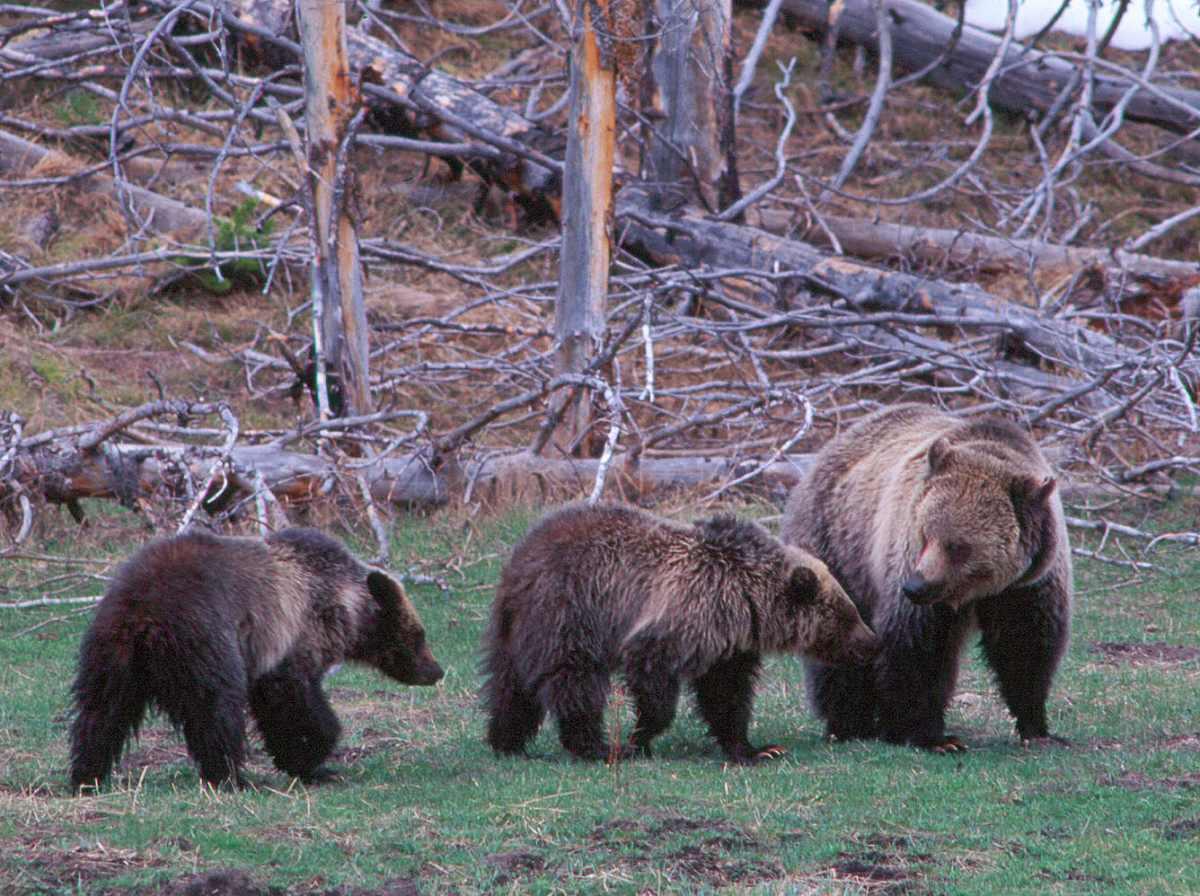
Grizzly Bears in Greater Yellowstone.
However, they either die from weakness or from overgrazing before their digestive system has adjusted to the rich food after months of starvation. It's a rough time for elk and bison, and their death rate shoots up. What's left behind is a "boneyard" with several carcasses that eventually draw the grizzlies out of the dens. “Those carnivores know to go there to scavenge the carcasses and prey upon the weakened animals,” said wildlife filmmaker Casey Anderson after his visit to the animal boneyard. “All of the sudden, there’s all this biomass, all these dead animals there on the ground for them. Nature has perfect timing,” he added.
Lori Roberts of Montana Fish, Wildlife, and Parks also revealed that the animal carcasses are the primary factors that drive the bears out of hibernation. “Bears are very food-driven, and if they find something, they might make that trip out of the den,” Roberts said. “Why else would a bear leave the den in winter?" she added.