
Scientists Put Cameras on Grizzlies — And the Footage Reveals What Survival in the Arctic Looks Like
Published Jan. 15 2026, 4:22 a.m. ET

Grizzly Bear in snow
On a sunny day, near a molten icy pond in the Copper River Basin of Southcentral Alaska, a 700-pound bear emerges from winter hibernation. The carcass of a caribou he just killed lies nearby. While feasting on the carcass, the bear senses its rotten smell getting mixed with a pleasant scent, the scent of a female bear. Over the next few weeks, he breeds with three different females many times, also hunting more caribou calves, a moose, a beaver, and fish. In northern southeast Alaska, another bear rubs its body against a tree bark to add a scent marker. A male Arctic grizzly bear feasts on blueberries in the summer of 2025 while another one eats horsetail and grasses. A young bear cub engages in playful fighting with its mother. As these bears immerse themselves in their daily lives, their necks bob with tiny surveillance cameras strapped by the Alaska Department of Fish and Game (ADFG) and the Washington State University Grizzly Bear Research Center.
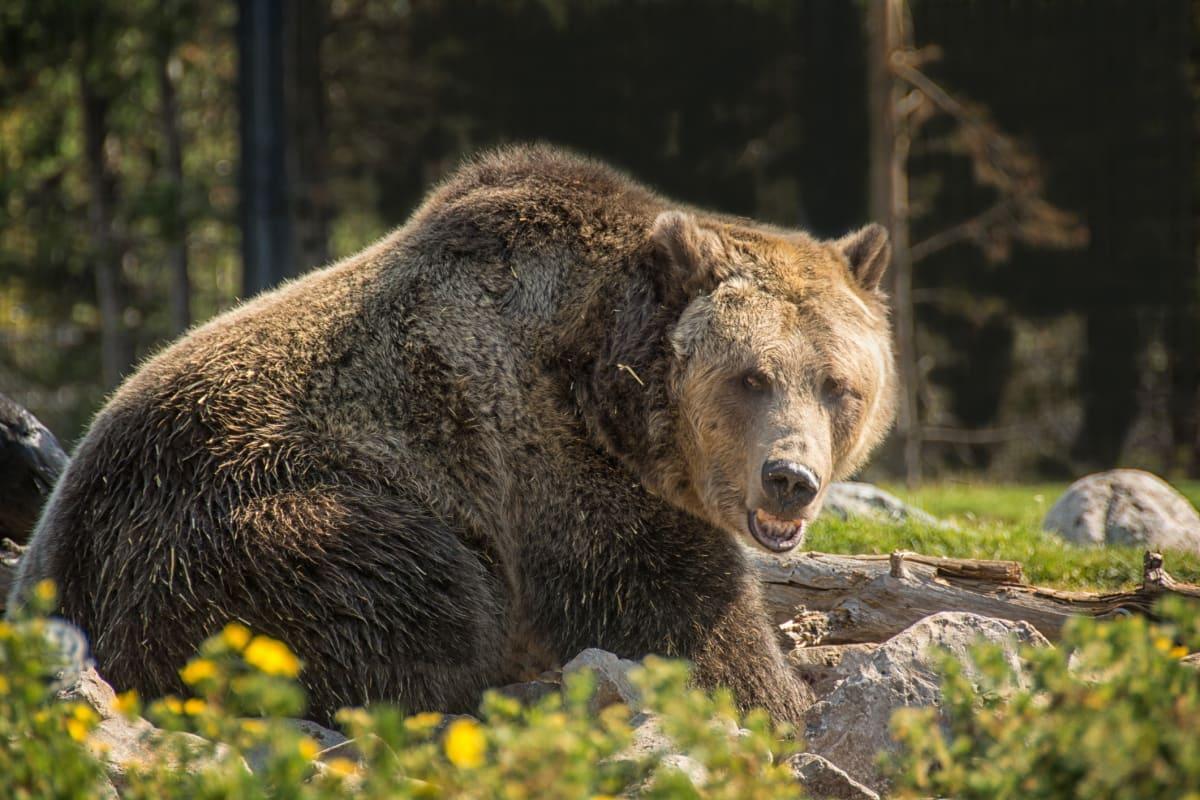
A wild grizzly bear stares from a field of yellow wildflowers in a meadow
Researcher Ellery Vincent spends hours watching the clips and photos recorded by these cameras. During winter, when the bears disappear into hibernation, she pores over all these footages, something that she calls "Bear TV," according to Alaska Public Media. Hundreds of hours of recordings reveal striking details about how these bears survive, forage, hunt, feed, breed, and manage everything. In springtime, when there's little to no vegetation and everything is covered in snow, they feed on overwintered carcasses. When the vegetation grows back, they eat lunches of bear flowers, horsetails, berries, grasses, and animals like caribou.
For these bears, calories are the only currency. Through spring and summer, they stock up on as many calories as they can, and as they hibernate in the winter, these calories help them stay warm. The cameras, Vincent believes, provide them with clues to how bears work out their calories despite the limited tundra supply in the region. "It's a slow process," she said. "But so far, we're seeing a really wide range of things." Like Vincent, Bruce Dale, another biologist, is addicted to watching these video clips. "The clips are quite short, so you only get a glimpse of what they are up to. If they are not sleeping, you really want to see the next clip to find out what happens next," Dale told ADFG. Every 15 minutes or so, the camera records a 20-second clip along with some photographs. Biologist Chris Brockman revealed that most of them do a lot of sleeping, eating, and staring at trees.
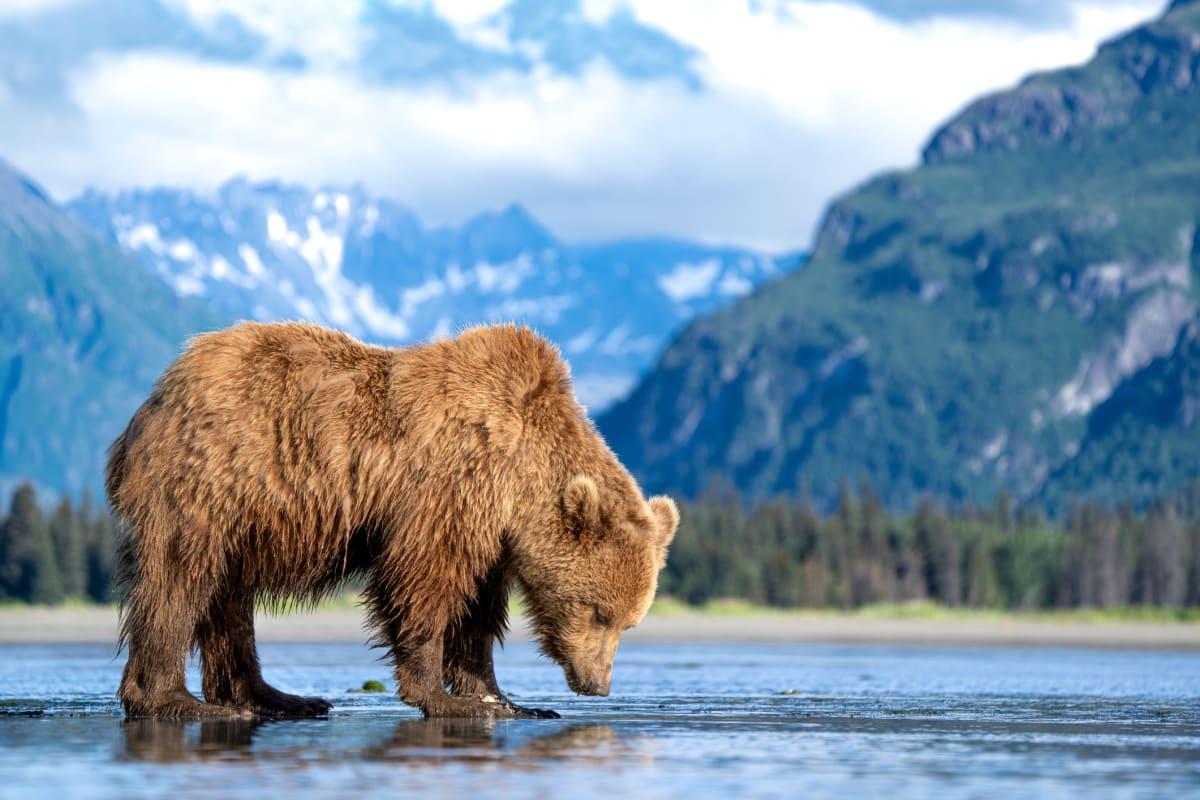
A grizzly bear standing in an icy lake with mountains and trees in the background
The cameras, however, have not been strapped solely for entertainment or observation. The data they provide is also valuable in terms of understanding their predatory and scavenging behavior that usually affects other wildlife populations as well. Another significant aspect of this project relates to the population of caribou calves and newborn moose. Biologists have been arguing about the mystery of declining caribou herds. Some of them believe that bears are eating them up. Others like Mark Nelson argue that the Arctic grizzlies aren't making much of a dent in the herds. Apart from their relationship with caribou, moose, and beavers, the cameras also divulge some interesting episodes of romance, something which makes Vincent excited as she watches the clips. Some of the video clips, for instance, uncovered an interesting pattern that challenged what she and other researchers thought about the breeding behavior of grizzlies.
"It's known that the males will follow the females around for a while as they're breeding," Vincent described. "But what we found is that they really follow each other around for quite a bit of time. Like, if all their needs are being met, it almost looks like a couple of the bears were playing, which was really unique and cool, because it's tough out there, and they're trying to survive."