
Experts Predict an Undersea Volcano Off The US West Coast Could Erupt Soon — Should You Be Worried?
Published Feb. 4 2025, 10:45 a.m. ET

Streaks of fiery molten magma in Earth's mantle
The understanding of volcanic eruptions has witnessed a slow and steady growth enabling scientists to predict them to some extent. However, reliable forecasts remain particularly challenging even with the best monitoring and interpretation techniques. While eruptions may be typically predicted before a few hours, or days at best, researchers have attempted to study volcanic behaviors of an undersea volcano, Axial Seamount, located on the Juan de Fuca Ridge off the US west coast, which is anticipated to be on the verge of an impending eruption by the end of 2025, as per a new research conducted by the American Geophysical Union.

Fiery molten magma lighting up Earth's inner core.
300 miles away from the West coast and tucked in the northeast Pacific region, Axial Seamount is marked as the most active submarine volcano that has shown regular eruption patterns. Researchers Bill Chadwick and Scott Nooner noted the changes in the volcanic site, particularly the seafloor swelling and the surface of Axial, to predict the eruptions. The observations were made possible by the installation of the world’s first underwater volcano observatory complete with recording equipment set up in 1997, per IFL Science.

Jet of bubbles spewing underwater
Thanks to the development, scientists have been able to observe and study submarine eruptions on three different occasions– 1997, 2011, and 2015. Now, a decade later, they fear that Axial is primed for another outburst as the external characteristics bear similarities to prior eruptions. The surface of Axial depicts characteristic inflation influenced by the accumulation of magma beneath the surface. Seismic activity in the region also increased with more than 500 earthquakes recorded on specific days.
While the seafloor swelling was recorded to be zero in fall 2023, inflation doubled from 5 to 10 centimeters per year by July 2024. This continued until the site was determined to be “fully re-inflated” relative to the 2015 eruption. Magma supply intensified in addition to the frequency of seismicity. However, Chadwick and Nooner were baffled when the pacing developments of the undersea volcano went stagnant for another six months. This urged the researchers to theorize that the volcano “can’t do this forever” and may soon relieve itself of the immensely building pressure underground.
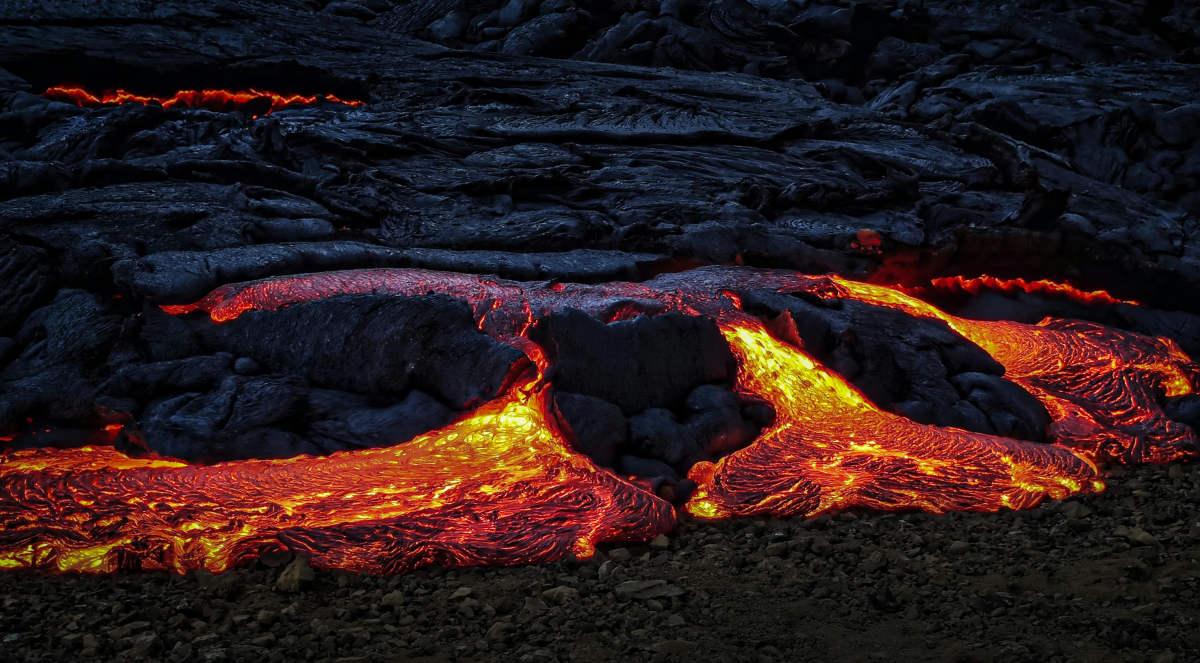
Fragments of Earth's crust rising upwards to form mountains
“Based on the current trends, and the assumption that Axial will be primed to erupt when it reaches the 2015 inflation threshold, our current eruption forecast window is between now […] and the end of 2025,” the team of researchers said in the research presented during the 2024 annual meeting of AGU. The Campi Flegrei in Italy is a notable example of another volcano that has shown signs of unrest for more than 60 years.
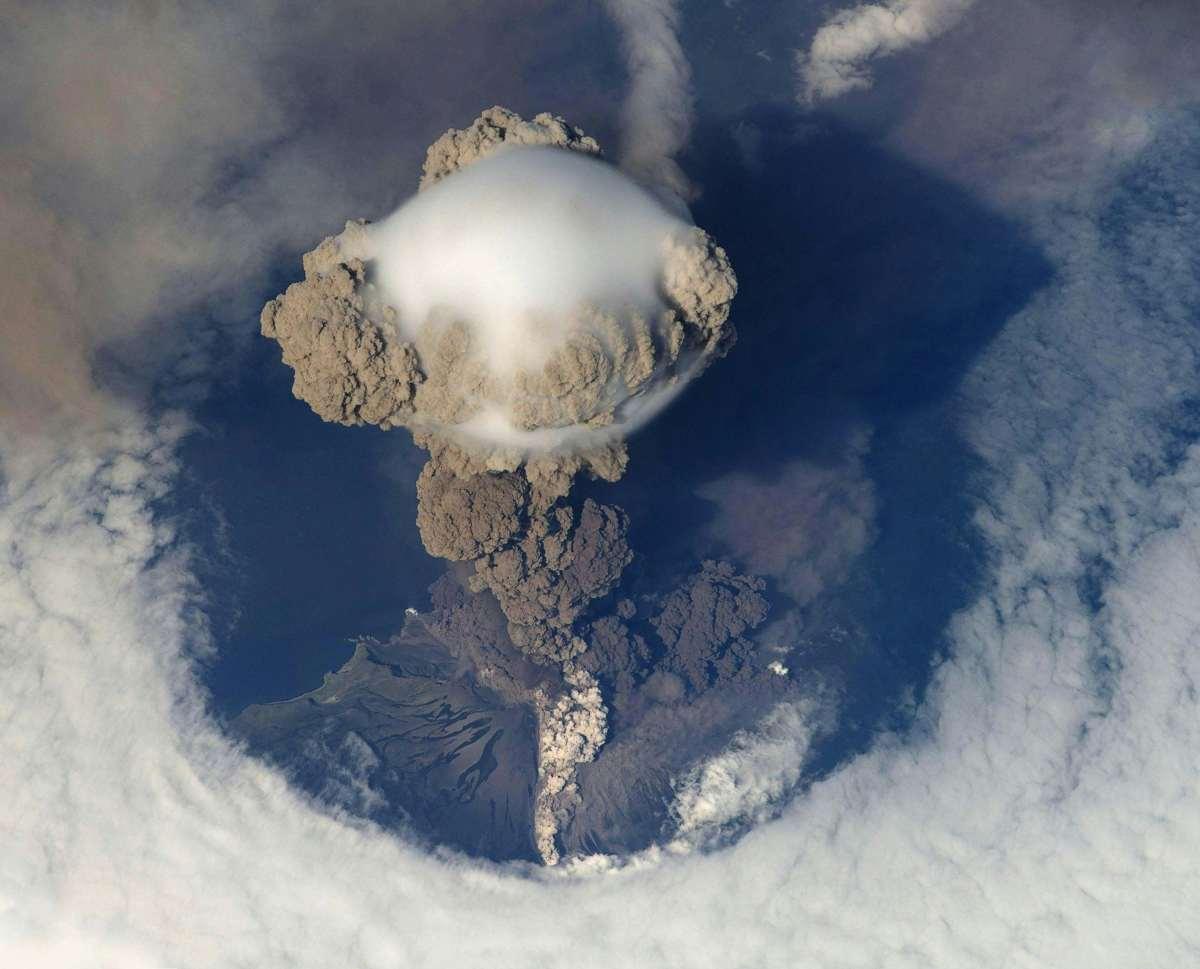
Volcano erupting during daytime.
According to the U.S. Geological Survey, the precursors of a volcanic eruption, which include small changes in heat flow, increase in frequency and intensity of seismic activity, noticeable steaming or enlarged areas of hot ground, changes in the composition of fumarolic gases, do not necessarily indicate the scale or intensity of an eruption. These indicators may continue for weeks, months, and years, and yet may end up subsiding unexpectedly.
However, underwater volcanic eruptions were studied to be more harmful than anticipated. Researchers from the University of British Columbia revealed the potential impacts on marine life and the environment at large during such occurrences in a 2023 study, published in Nature. The discharge of a gaseous mixture containing water vapor, sulfur dioxide, and carbon dioxide dissolves in the seawater causing ocean acidification that is detrimental to marine creatures. Seafloor spreading and tsunamis are some of the other impacts of an underwater eruption.