
NEWS
FOOD
HEALTH & WELLNESS
SUSTAINABLE LIVING
About Us Contact Us Privacy Policy Terms of Use DMCA
© Copyright 2024 Engrost, Inc. Green Matters is a registered trademark. All Rights Reserved. People may receive compensation for some links to products and services on this website. Offers may be subject to change without notice.
WWW.GREENMATTERS.COM / NEWS

Drones See Pygmy Blue Whales Using a Hidden Highway. It May Protect Them from Their Biggest Killers

This is the first time drone-based tagging has been employed for tracking the movements of pygmy blue whales.
PUBLISHED 7 HOURS AGO
A drone hovering above a pygmy blue whale.​​​​ ‌(Cover Image Source: Conservation International Indonesia)

Up until a few years back, many of the pygmy blue whales migrating to the south never made it to their destinations. Many of them got killed by the heavy ship traffic on the way. Given their quiet, elusive nature, they would go unnoticed by vessels. Ships and boats zipping through the sea would ram their sharp-hooked bows into their bodies, battering their gills and choking their throats, often leaving them with fractured bones, propeller wounds, blunt force trauma, or severed spines. A decade ago, the species was almost pushed to the brink of extinction.

A crucial need arose: the need to understand their migratory pathways and develop strategies to fortify the waters and protect them from the ship strikes. For this, scientists needed to understand the full journey, not just the start or the end, but everything in between. Latterly, they discovered a previously unknown migration "highway” that might offer them some clues, all thanks to a button-sized tag they deployed on the whales in Indonesian waters.
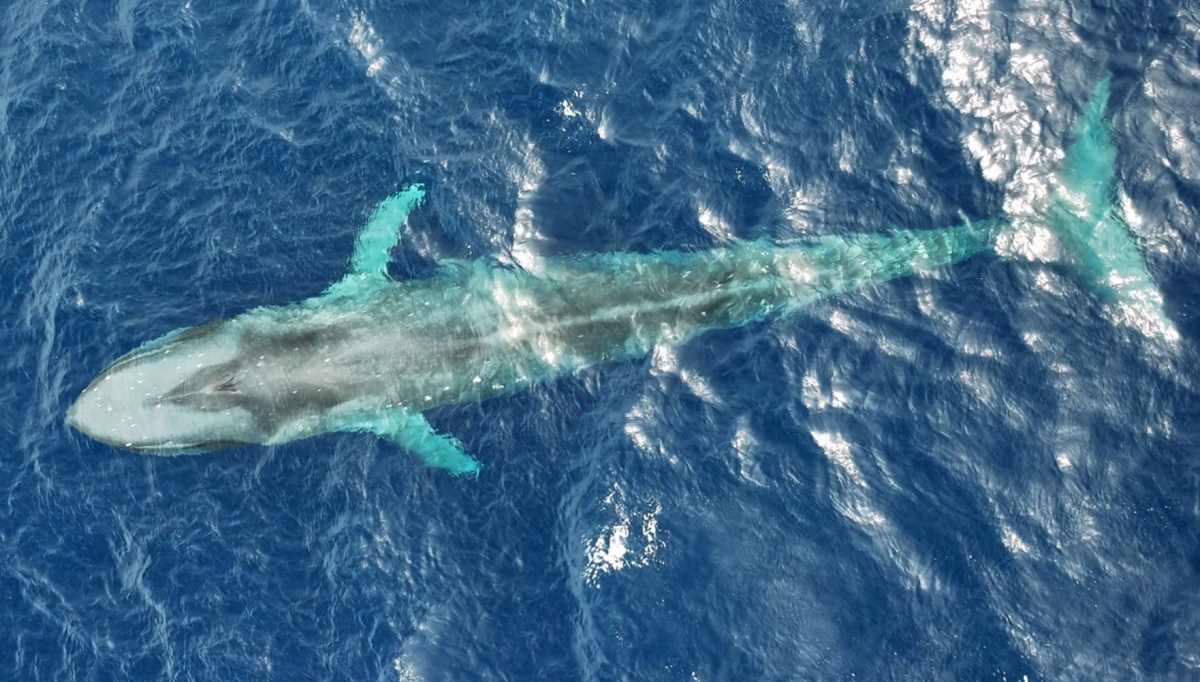
Pygmy blue whale zipping through the blue Indonesian waters (Image Source: Conservation International Indonesia)

Every year, pygmy blue whales travel thousands of miles across the Indian Ocean, crossing western Australia and the crescent-shaped Banda Sea, all the way to the south of Indonesia, traversing the Sunda Seascape. For several years, scientists had no idea that this whale highway existed. Only recently, scientists from Konservasi Indonesia, the Indonesian partner of Conservation International, were examining data on their computer screens when they detected this previously unknown corridor.

It was mid-October, and oceanologist Mochamad Iqbal Herwata was standing on the deck, a controller in his hands, his eyes glued to the screen. Timing was the key; he knew it. For days, he and his team had been wandering across the Sunda seascape, fruitlessly witnessing these whales emerging from the waters, exhaling columns of bubbles, diving back, slipping away, and disappearing. Eight times already, they had tried tagging a whale. Eight times, they had missed. It was their ninth and probably the final chance for the day.
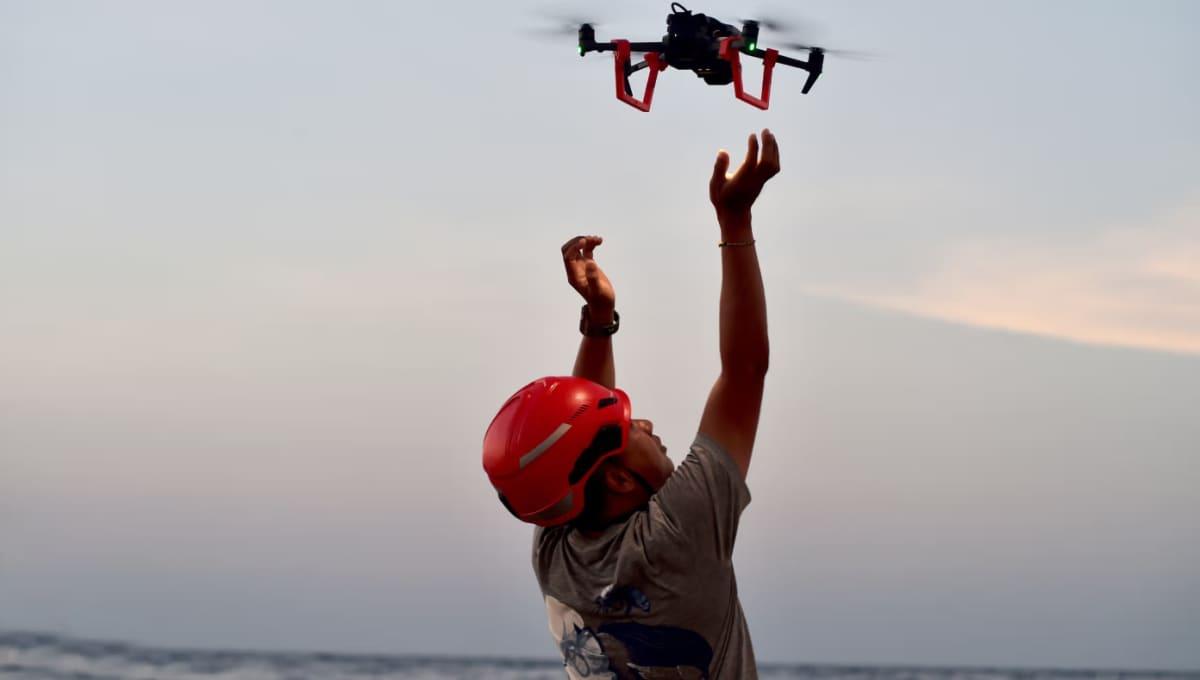
Scientists deploying a drone to tag a blue whale (Image Source: Conservation International Indonesia)

Fortunately, he had a stroke of luck, as he noticed a whale surfacing from the water below. He pulled the trigger. A matchbox-sized dart was fired from the drone and latched itself to the whale’s body. When it finally hit the whale, the crew jumped into the ocean. Bursting with excitement, they triumphantly swam, hooting and shouting all the while. “After all that pressure to get it right, we did it,” Herwata recalled.

The success marked the first drone-deployed tagging of a pygmy blue whale in an open ocean, a technique engineered by the Center for Whale Research. Drone-based tagging has previously been attempted and documented on humpback and sperm whales, but never blue whales. Previously, scientists used air guns and carbon poles to do the tagging, a method that was a bit intrusive. In contrast, the drone-based tagging is cheaper, less intrusive, less stressful, and safer for the whales. The tags are easier to retrieve, too.
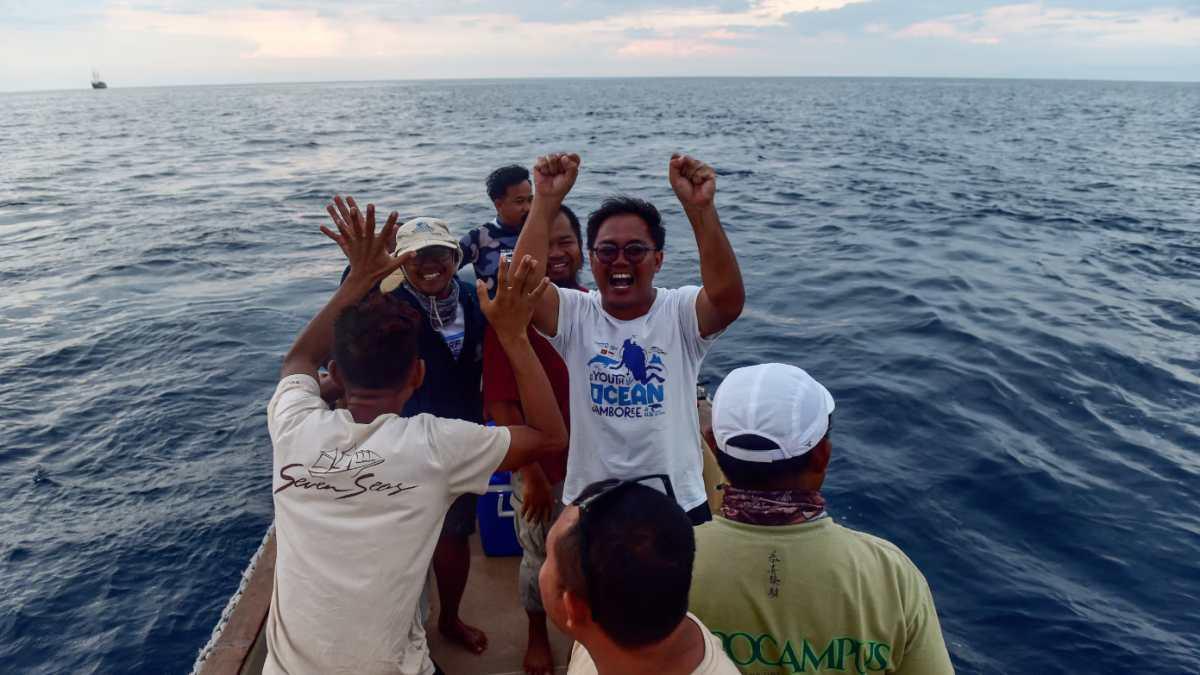
The crew celebrates after successfully tagging the whale.​​​​‌‍​‍​‍‌‍‌​‍‌‍‍‌‌‍‌‌‍‍‌‌‍‍​‍​‍​‍‍​‍​‍‌​‌‍​‌‌‍‍‌‍‍‌‌‌​‌‍‌​‍‍‌‍‍‌‌‍​‍​‍​‍​​‍​‍‌‍‍​‌​‍‌‍‌‌‌‍‌‍​‍​‍​‍‍​‍​‍‌‍‍​‌‌​‌‌​‌​​‌​​‍‍​‍​‍‌​‌‍​‌‌‍‍‌‍‍‌‌‌​‌‍‌​‍‍‌‍​‌‍‌‍‍‌​‌‍‌‌‌​‍‌‌‍‌‍​‌‌‌​‌‍‍‌‌‍‌‍‍​‍‍‌‍‌​‍‌‍‌​‍‌‍‌‌‍​‌‌‍‍‌‌‍‍​‍‌‍‍‌‌‍‍‌‌​‌‍‌‌‌‍‍‌‌​​‍‌‍‌‌‌‍‌​‌‍‍‌‌‌​​‍‌‍‌‌‍‌‍‌​‌‍‌‌​‌‌​​‌​‍‌‍‌‌‌​‌‍‌‌‌‍‍‌‌​‌‍​‌‌‌​‌‍‍‌‌‍‌‍‍​‍‌‍‍‌‌‍‌​​‌‌‍​‌‌‍‌‍​‌​​‌​​‍​‌‍‌‍​​‌​‍‌​‌‌​‍​‌‍‌‍‌‍​​‍‌​‌​​​‌​‍​​‌‌​‍‌‌‍​‍​‍‌​‌‌‍​‌​‍‌​‍​‌‍​​‌‍​‌‍​‍​​​​​‌​​‍​​‌​‌‌‌‍​‌‌‍​‌​‍‌‌​‌‍‌‌​​‌‍‌‌​‌‌‍‌​‌‍‌‍​‌‌‌‌‍‌‌‍‌‌‌‍‍‌‌​​‍‍‌‍‍‌‍‌‌‌‌‌​‌​​‌‌​‍‌‌​‌‍‍‌‌‍​‌‍​‌‍‌‌​‍‌​​‌‍​‌‌‌​‌‍‍​​‌‌‍​‌‍‌‍‍‌‌​‌‍‌‌‌‍‍‌‌​​‍‌‌​‌‌‌​​‍‌‌‌‍‍‌‍‌‌‌‍‌​‍‌‌​​‌​‌​​‍‌‌​​‌​‌​​‍‌‌​​‍​​‍‌‍​​‌‍​‌‍‌‌​‌‌‌‍‌‍‌‍​‌‍‍‌​‍‌‍​‌‌‍‌‍​​‌​‍‌‌​​‍​​‍​‍‌‌​‌‌‌​‌​​‍‍‌‍​‌‍‌‍‍‌‌​‌‍‌‌‌‍‍‌‌​​‍‌‌​‌‌‌​​‍‌‌‌‍‍‌‍‌‌‌‍‌​‍‌‌​​‌​‌​​‍‌‌​​‌​‌​​‍‌‌​​‍​​‍‌​‍‌‍​‌‍‍‍‌​​‌‍​‍​​​‌‍​‍‌‍‌‌‍‌​‌‍‌‍‌​‍‌‌​​‍​​‍​‍‌‌​‌‌‌​‌​​‍‍‌‍​‌‍‌‍‍‌‌​‌‍‌‌‌‍‍‌‌​​‍‌‌​‌‌‌​​‍‌‌‌‍‍‌‍‌‌‌‍‌​‍‌‌​​‌​‌​​‍‌‌​​‌​‌​​‍‌‌​​‍​​‍‌‍‌‌‌‍​‌‍​‌​​‌‌‍‌‌‌‍‌‍​​‌​​​​‌‍‌‍​​‌​​​‍‌‌​​‍​​‍​‍‌‌​‌‌‌​‌​​‍‍‌‍‍‌‌‍‌‌‍​‌‌‍‌‌‍‌‌​‍‍‌‍​‌‍​‌‌​​‌‌​‌‍‍‌‌‍‌‍‍​‌‍​‍‌‍​‌‌​‌‍‌‌‌‌‌‌‌​‍‌‍​​‌‌‍‍​‌‌​‌‌​‌​​‌​​‍‌‌​​‌​​‌​‍‌‌​​‍‌​‌‍​‍‌‌​​‍‌​‌‍‌​‌‍​‌‌‍‍‌‍‍‌‌‌​‌‍‌​‍‍‌‍​‌‍‌‍‍‌​‌‍‌‌‌​‍‌‌‍‌‍​‌‌‌​‌‍‍‌‌‍‌‍‍​‍‍‌‍‌​‍‌‍‌​‍‌‍‌‍‍‌‌‍‌​​‌‌‍​‌‌‍‌‍​‌​​‌​​‍​‌‍‌‍​​‌​‍‌​‌‌​‍​‌‍‌‍‌‍​​‍‌​‌​​​‌​‍​​‌‌​‍‌‌‍​‍​‍‌​‌‌‍​‌​‍‌​‍​‌‍​​‌‍​‌‍​‍​​​​​‌​​‍​​‌​‌‌‌‍​‌‌‍​‌​‍‌‍‌‌​‌‍‌‌​​‌‍‌‌​‌‌‍‌​‌‍‌‍​‌‌‌‌‍‌‌‍‌‌‌‍‍‌‌​​‍‍‌‍‍‌‍‌‌‌‌‌​‌​​‌‌​‍‌‌​‌‍‍‌‌‍​‌‍​‌‍‌‌​‍‌‍‌​​‌‍​‌‌‌​‌‍‍​​‌‌‍​‌‍‌‍‍‌‌​‌‍‌‌‌‍‍‌‌​​‍‌‌​‌‌‌​​‍‌‌‌‍‍‌‍‌‌‌‍‌​‍‌‌​​‌​‌​​‍‌‌​​‌​‌​​‍‌‌​​‍​​‍‌‍​​‌‍​‌‍‌‌​‌‌‌‍‌‍‌‍​‌‍‍‌​‍‌‍​‌‌‍‌‍​​‌​‍‌‌​​‍​​‍​‍‌‌​‌‌‌​‌​​‍‍‌‍​‌‍‌‍‍‌‌​‌‍‌‌‌‍‍‌‌​​‍‌‌​‌‌‌​​‍‌‌‌‍‍‌‍‌‌‌‍‌​‍‌‌​​‌​‌​​‍‌‌​​‌​‌​​‍‌‌​​‍​​‍‌​‍‌‍​‌‍‍‍‌​​‌‍​‍​​​‌‍​‍‌‍‌‌‍‌​‌‍‌‍‌​‍‌‌​​‍​​‍​‍‌‌​‌‌‌​‌​​‍‍‌‍​‌‍‌‍‍‌‌​‌‍‌‌‌‍‍‌‌​​‍‌‌​‌‌‌​​‍‌‌‌‍‍‌‍‌‌‌‍‌​‍‌‌​​‌​‌​​‍‌‌​​‌​‌​​‍‌‌​​‍​​‍‌‍‌‌‌‍​‌‍​‌​​‌‌‍‌‌‌‍‌‍​​‌​​​​‌‍‌‍​​‌​​​‍‌‌​​‍​​‍​‍‌‌​‌‌‌​‌​​‍‍‌‍‍‌‌‍‌‌‍​‌‌‍‌‌‍‌‌​‍‍‌‍​‌‍​‌‌​​‌‌​‌‍‍‌‌‍‌‍‍​‍‌‍‌‌‌‍‌​‍‌‍‍‌​‌​​‌‍​‌‌‍​‌‍‌‌​‌‌‍‌‌‍​‌‌‍‍‌‌‍‍​‍‌‍‌​​‌‍‌‌‌​‍‌​‌​​‌‍‌‌‌‍​‌‌​‌‍‍‌‌‌‍‌‍‌‌​‌‌​​‌‌‌‌‍​‍‌‍​‌‍‍‌‌​‌‍‍​‌‍‌‌‌‍‌​​‍​‍‌‌ (Image Source: Conservation International Indonesia)

They used a new type of tag called the Low Impact Minimally Percutaneous Electronic Transmitter (LIMPET), designed to record details like position and water temperature from the whales’ movements and transmit these to Argos satellites. With these tags, the need to chase whales was eliminated. The Indonesian government has already designated more than 325,000 hectares (80,000 acres) of the ocean as a protected area for these whales. With tagging data added, they would be able to better plan management strategies for overlapping corridors and reduce human-whale conflicts. Until then, they will keep watching the whales, spying on their movements to better safeguard them from disturbance provoked by human traffic, because the largest animal on the planet deserves at least this much care.

More on Green Matters

Stunning Video Shows Penguins Building Their Own ‘Snow Highways’ in the Antarctic Ice

Drone Footage Captures Boat Speeding Above Gray Whale Mother and Calf in California

Russian Startup Tests Hacking Pigeon Brains to Develop First-Ever 'Bio-Drones'

POPULAR ON GREEN MATTERS
MORE ON GREEN MATTERS