
Dozens of Gardeners Swear By This Wild Flower Plant That Makes Pollinators ‘Go Absolutely Bonkers'
Published July 19 2025, 9:45 a.m. ET

(L) Woman planting native flowers in her garden. (Representative Cover Image Source: Getty Images | Frank Gaglione) | (R) Gardener planted mountain mints in their garden.
Nature is full of magic. Take pollinators, for instance. As these buzzing insects satiate their hunger by sipping on a flower's nectar, they unknowingly drive reproduction through the pollens that stick to their bodies. While our instincts tell us to chase these pollinators away if they approach us, our garden plants might desperately need their presence. As a Reddit gardener, u/m_etta shared in a recent post, there's one particular native plant that attracts swarms of pollinators instantly: mountain mints.
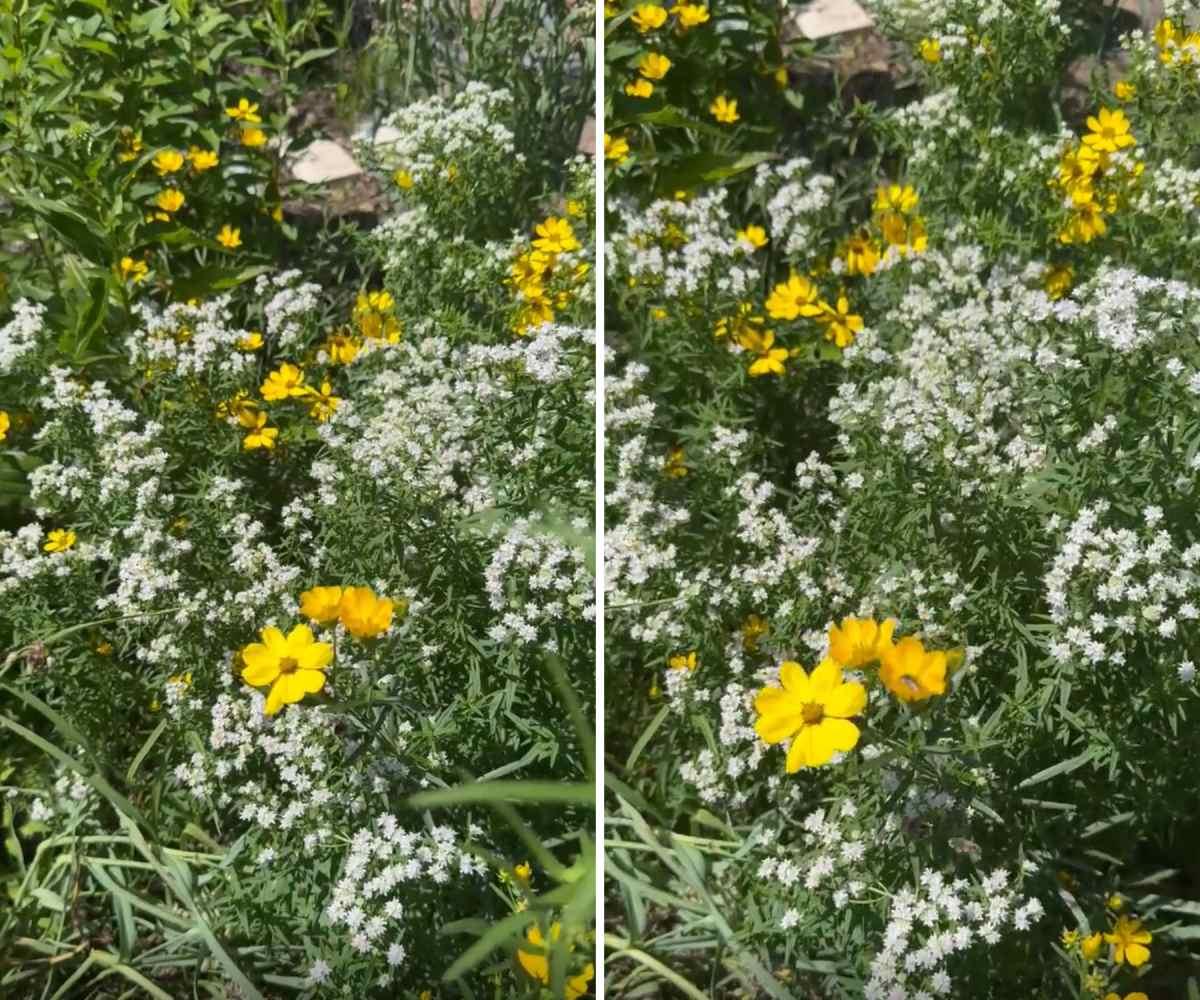
Gardener planted mountain mints in their garden and ended up attracting swarms of pollinating parties
“Want to make pollinators go absolutely bonkers?” asked the gardener, who is also a resident of Twin Cities, Minnesota, North America. Mountain mints, as the name suggests, are reminiscent of the cool breeze of the Great Smoky Mountains. Nestling within erect, bushy clusters, their pointed tips and silvery-white bracts give the appearance as if they are dusted with powdery Antarctic snow.


Thriving in sunny corridors, they emit a defensive fragrance that repels deer and rabbits. On the flip side, laced with copious amounts of nectar, their petal cups attract pollinating guests like goldenrod diggers, black wasps, bumblebees, wavy-lined emerald moths, honeybees, skippers, butterwhatsits, red-banded hairstreak butterflies, and more.
In the aforementioned Reddit post, the gardener shared breathtaking footage of a garden patch blooming with clusters of tall grasses and sprays of the tiny white Virginia mountain mint swaying in the hum of the daybreeze, punctuated by chirpy bird songs and buzzing bees. Hovering and flitting above the golden disks of the yellow prairie coreopsis flowers were bees sipping nectar. In a comment, they shared they planted 4-inch pots in the fall of 2023 and had these blooms by 2024, which is unsurprising given that mint propagates on the garden bed quite aggressively.
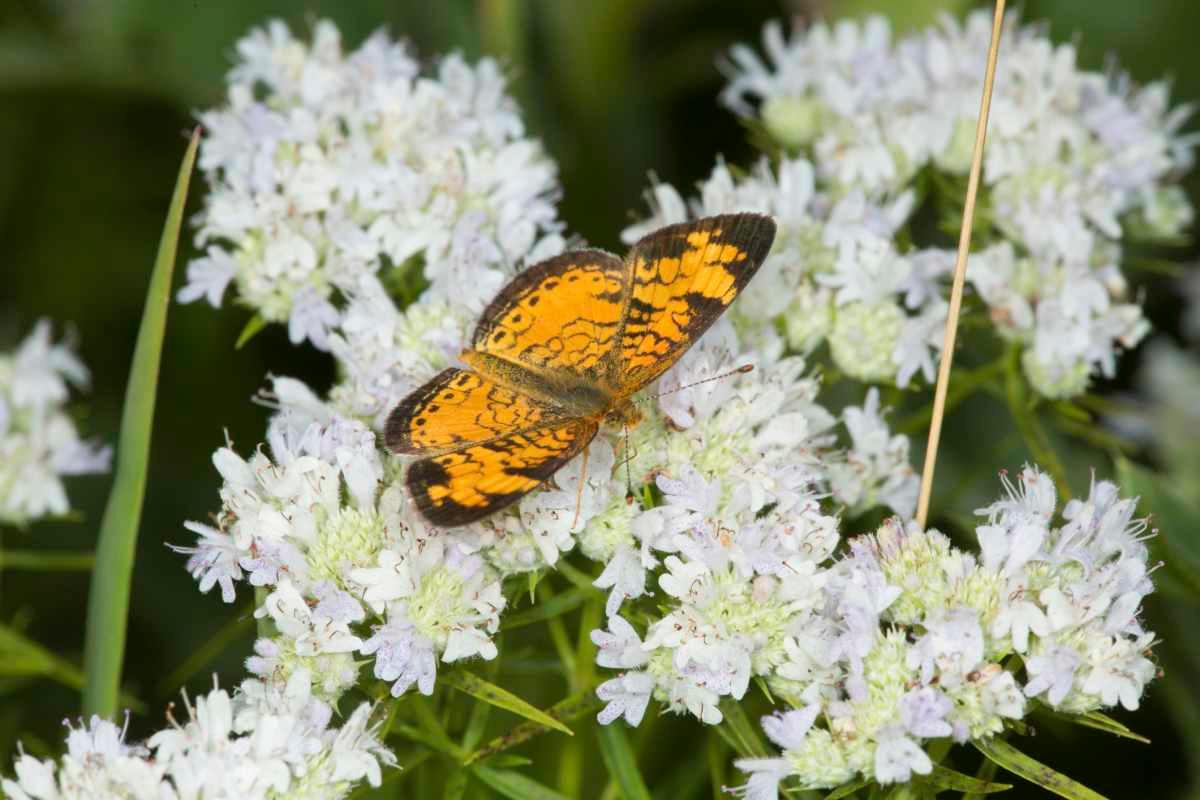
Patch of mountain mint or pycnanthemum virginianum in bloom and a butterfly sipping nectar
Scroll down the comments box and you’ll see tons of comments where viewers agree that mountain mints are excellent attractions for pollinators. “All the mountain mints I have come across seem to have tons of pollinator activity,” commented u/stiffloquat. u/blurryrose said, “They love the mountain mint! Later in the summer, they go absolutely bonkers for late boneset. My mom has a big one that positively hums.”

Image Source: Reddit | u/Snyz
It’s not just a dozen gardeners who believe that mountain mints are pollinator magnets. In a three-year study conducted by Penn State Southwest Agricultural Research and Extension Center, researchers found that mountain mint is the most attractive plant for the widest variety of pollinating parties, including bees, butterflies, wasps, syrphid, and tachinid flies.

Image Source: Reddit | u/blu3st0ck7ng
But if you don’t have access to mountain mints, it doesn’t mean you can’t invite pollinator parties to your garden. Many Reddit users shared other flower options that can be just as attractive. u/IkaluNappa, for instance, shared that their coastal sweet pepperbushes outperformed the mountain mints, wild bergamots, and Joe Pye weeds taken together. For u/Geeko22, “Blue Fortune Agastache” accomplished the job by wooing swarms of pollinating service providers. Ultimately, all you need is a flower that has an endless well of nectar to feed these pollen-loving tiddles.