
Deep-Sea Experiment Reveals 20 Potential New Species in Coral Reefs of the Pacific
Published Dec. 23 2025, 6:59 a.m. ET

Underwater scuba diver exploring coral reefs.
Scientists have discovered 20 potential new species at some of the deepest points of the Pacific Ocean, which is expected to increase after final DNA analysis. The species were identified using 13 of the world’s deepest reef monitoring devices. Researchers from the California Academy of Sciences retrieved the devices suspended in the Guam region about 330 feet below the surface. This experiment was done to explore underwater creatures, especially in areas which receives hardly any light. The devices have been collecting data since 2018, and over two weeks in November 2025, researchers retrieved 2,000 specimens with 100 species, much to their surprise. Luiz Rocha, California Academy of Sciences Ichthyology curator who was part of the diving expedition held to place and retrieve the devices, opened up about the groundbreaking discovery.
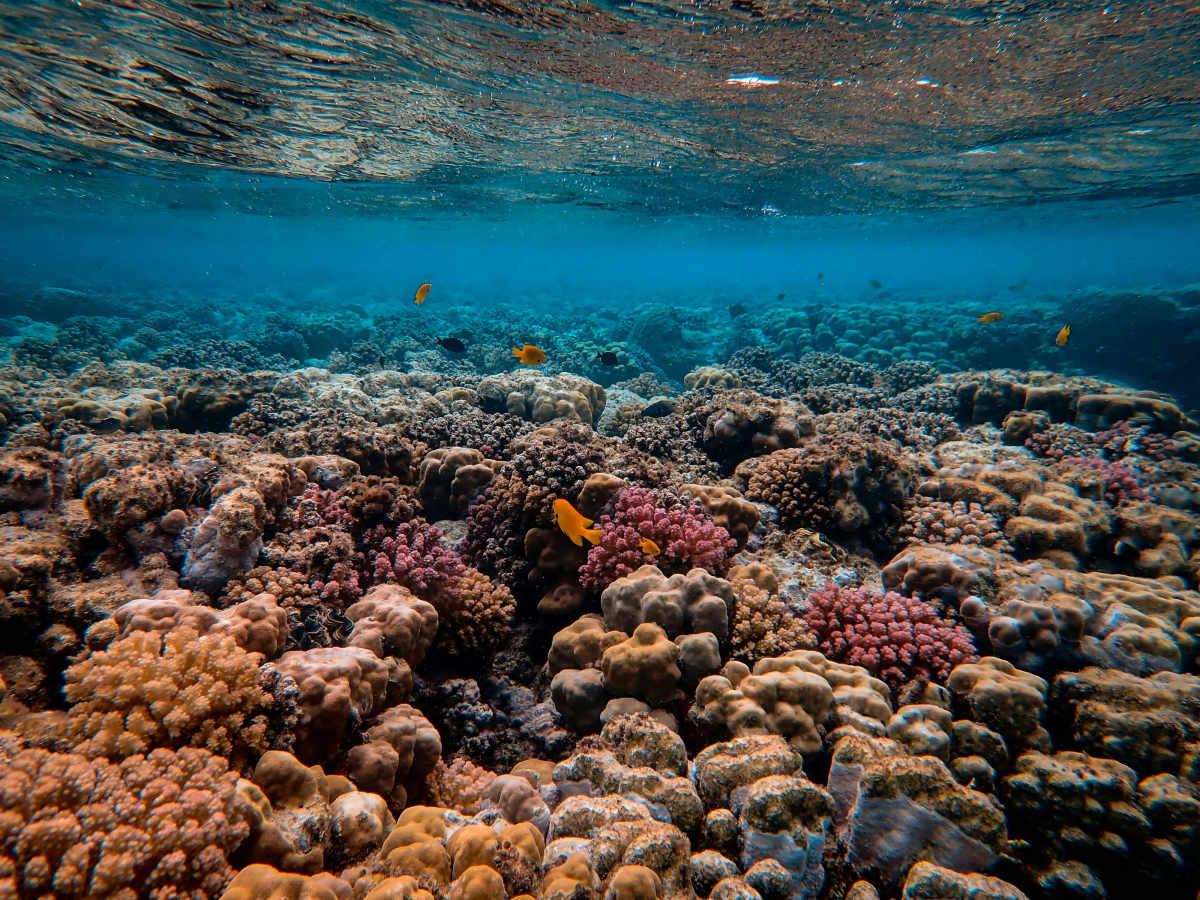
Beautiful red-orange coral reef sitting in the underwater
“The autonomous reef monitoring structures, or ARMS, that we recently retrieved in Guam are essentially small underwater hotels that coral reef organisms colonize over time,” he said in a statement. Rocha admitted that time is a big limitation for deep-coral scientists studying the underwater zone with moderate light accessibility: the mesophotic zone. Exploring the region through diving expeditions cannot exceed longer than 15-25 minutes, as the excessive underwater pressure can prove dangerous to health or even life. But thanks to the ARMS, data has been collected consistently in the past 8 years. "This long-term snapshot of deep reef biodiversity is unparalleled, revealing everything from never-before-seen species to evidence of a clear and steady warming trend at depth," Rocha added.
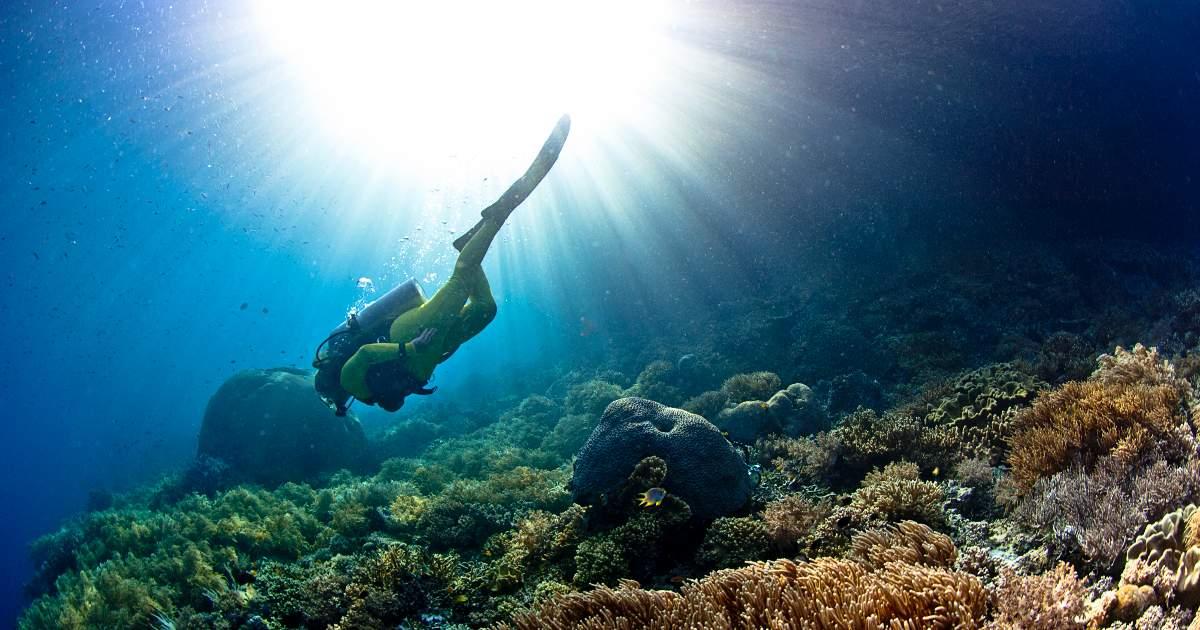
Diver exploring coral reefs underwater
Shannon Bennett, PhD, Academy Chief of Science, admitted that the discovery of 20 potential new species out of 100 retrieved from the ARMS devices is a "major leap" in understanding some of the coral reefs that have been overlooked by researchers. Speaking to NPR, Rocha revealed that there could be more than 20 new species once they confirm the genes of the newly discovered organisms. The researchers use DNA sequencing to double-check before declaring a new species. "And during that process sometimes what happens is what we thought was not a new species ends up being a new species because the genetics is different," Rocha added. He presumes that potential new species can include crabs, sponges, ascidians or sea squirts, and even new gorgonians, a type of coral.
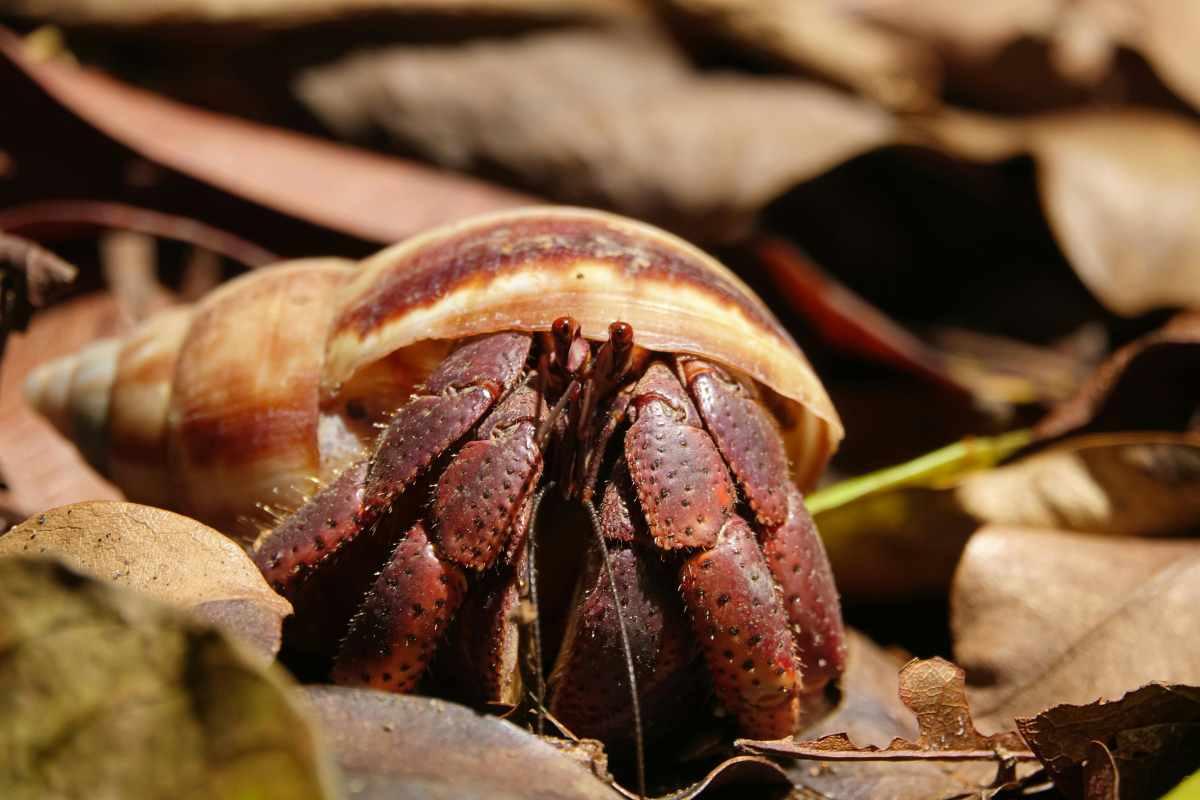
A hermit crab amid fallen leaves in nature.
Although the researchers knew that the region has potential to provide undiscovered species, Rocha was taken aback by one species in particular. Hermit crabs are known to reside in abandoned snail shells, but one was discovered clinging to a clam, which Rocha couldn't believe. "When they first showed me the picture of it, I'm like, 'What, wait, what is that?' I couldn't even tell what animal it was. And then I realized, oh, it's a hermit crab, but it's using a clamshell," he told the outlet. Overall, the underwater study conducted through ARMS is pushing boundaries of research and discovery. "With a decade of work behind us and continued retrievals planned for the years ahead, the Academy is driving global efforts to understand some of the ocean’s least-known ecosystems," said Bennett.