
Decades After Its Last Eruption, a Deadly Mexican Volcano Shows Unusual Changes
Published Feb. 4 2026, 7:43 a.m. ET

Mexico’s El Chichón volcano, also known as Chichonal.
Its last eruption dates back to 1982, but the dangers persist. The object in question is Mexico's El Chichón volcano, or Chichonal, which has recently shown strange changes, raising concerns among volcanologists. Scientists from the National Autonomous University of Mexico (UNAM) tracked the volcano's movements between June and December 2025 and recorded consistent movement in its crater. Elevated temperature, visible gas bubbling, and sulfur formations were the most notable changes observed. The site has been restricted to visitors since its last eruption due to residual hazards but has now become popular among geologists. While inspecting the volcano's crater lake, the research team observed hollow sulfur spheres that were formed in the presence of liquid sulfur pools.
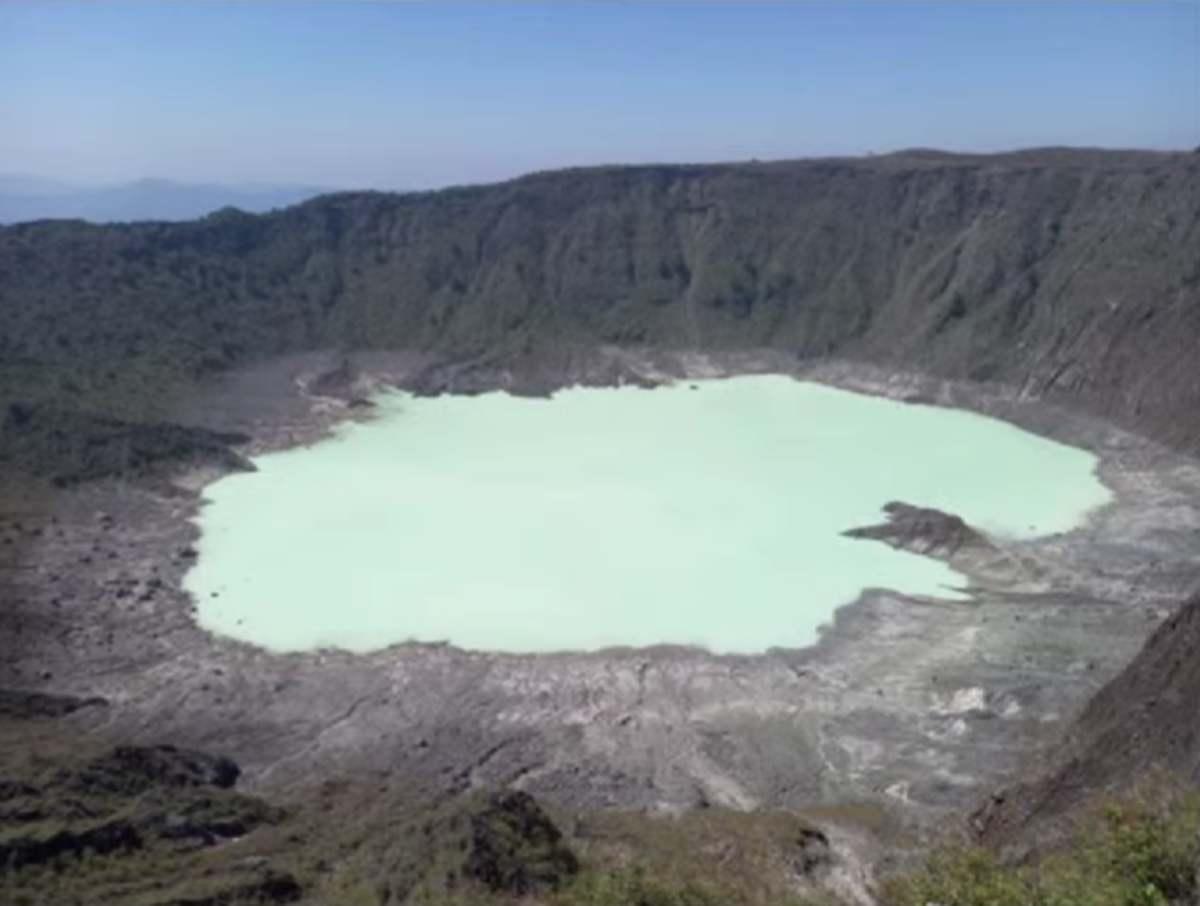
Sulfur precipitation is visible at the bottom of the path leading down to the crater.
Although the temperature of the lakebed is usually hot due to geothermal activities, scientists noted it peaked higher than usual. Typically dominated by algal growth, the volcano appeared grayish, indicating high concentrations of sulfates and silica. These chemical and visual indicators were enough for scientists to suspect an unusual occurrence. In a lecture given by Dr. Patricia Jácome Paz of the Institute of Geophysics, who is also part of the UNAM team, she explained that the strange behavior exhibited by the volcano is nothing concerning. It is either hydrothermal or minor explosions caused by superheated water vapor. Scientists have not detected active magma beneath the surface, at least not yet.
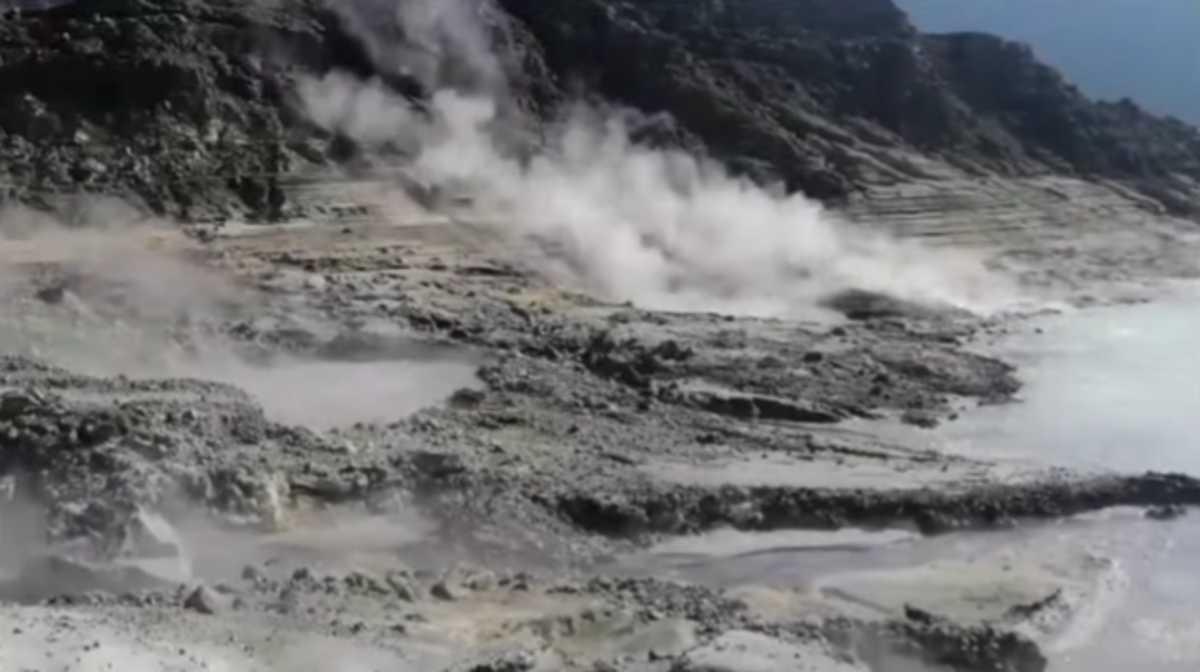
Gas emerging from the volcanic lake.
The researchers observed several changes within the volcano's crater, including varying dynamics of water and gases and changing concentrations of chloride levels. They also found H₂S (hydrogen sulfide) and CO₂ (carbon dioxide) present near the crater, which can accumulate to hazardous levels. However, the team has assured that it doesn't pose any imminent threat to humanity. These observations highlight that, despite not having erupted in nearly four decades, the El Chichón volcano is quite dynamic without posing any serious threat. Even though the constant hydrothermal processes keep the volcano active, the seismic activity remains low. No signs of magma movement further prove that the volcano’s unusual behavior was not concerning.
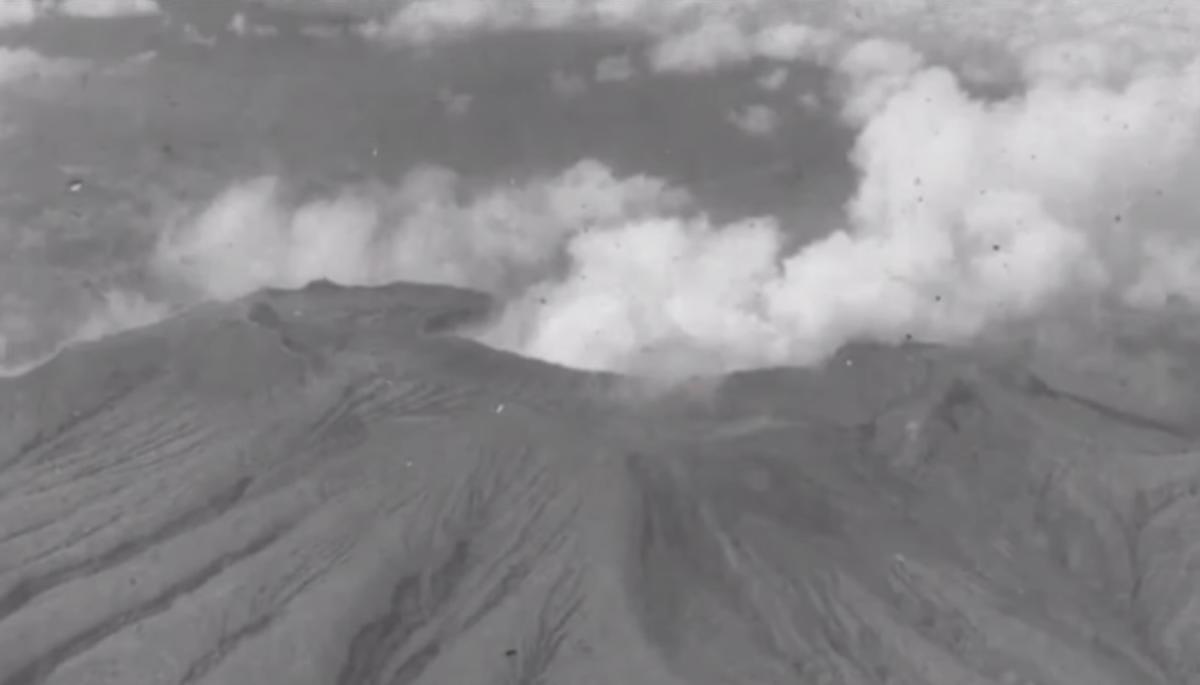
The devastating 1982 eruption of the Chichón volcano.
Most likely, there won't be another version of the devastating 1982 eruption that uprooted several lives. On the night of March 28, 1982, the volcano, located in northwestern Chiapas, produced a series of eruptions that lasted till April. The consecutive flow of magma spread and destroyed livelihoods in the process. The sky was enveloped with a thick layer of clouds of ash. Meanwhile, the nearby grounds were burning from the steaming hot magma. When it finally settled down, the devastation caused was irreversible. Several lives and properties were lost, and the economy was shaken up. The regions highly productive in coffee, livestock, and agriculture suffered dire consequences in the aftermath. The volcanic deposit had destroyed towns and villages, prompting people to forcefully displace with a sense of loss looming over.
It’s a good thing that there are no imminent signs of an eruption happening soon. However, researchers believe that prevention is better than cure. Drones and remote sensing systems have been put in place to better monitor volcanic activity in the area.