
Arizona National Park Adds Small Patch of Land That Could Have Big Impact on Desert Ecosystem
Published Dec. 16 2025, 7:34 a.m. ET

A girl is seen taking a photo at the Saguaro National Park.
Looming in the heart of the Sonoran Desert, the saguaro cactus (Carnegiea gigantea) has been the icon of the American Southwest for as long as one can remember. Hailed for being one of the tallest in the world, this cactus, pronounced sah-wah-roh, towers in a variety of shapes. As it rises from the ground, it develops “arms.” Some have lots of arms, others have fewer. Over the years, the cactus sprouts into tiny white flowers that shoot out from the arms. At sundown, when the skies above Saguaro National Park turn into a canopy of stars, the plant opens its flowers for reproduction, usually with the help of long-tongued nectar-feeding bats. In a December 11 announcement, Trust for Public Land (TPL) shared that the national park has acquired an additional 20-acre parcel of land, which enables better "safeguarding the habitat of the iconic Saguaro Cactus."
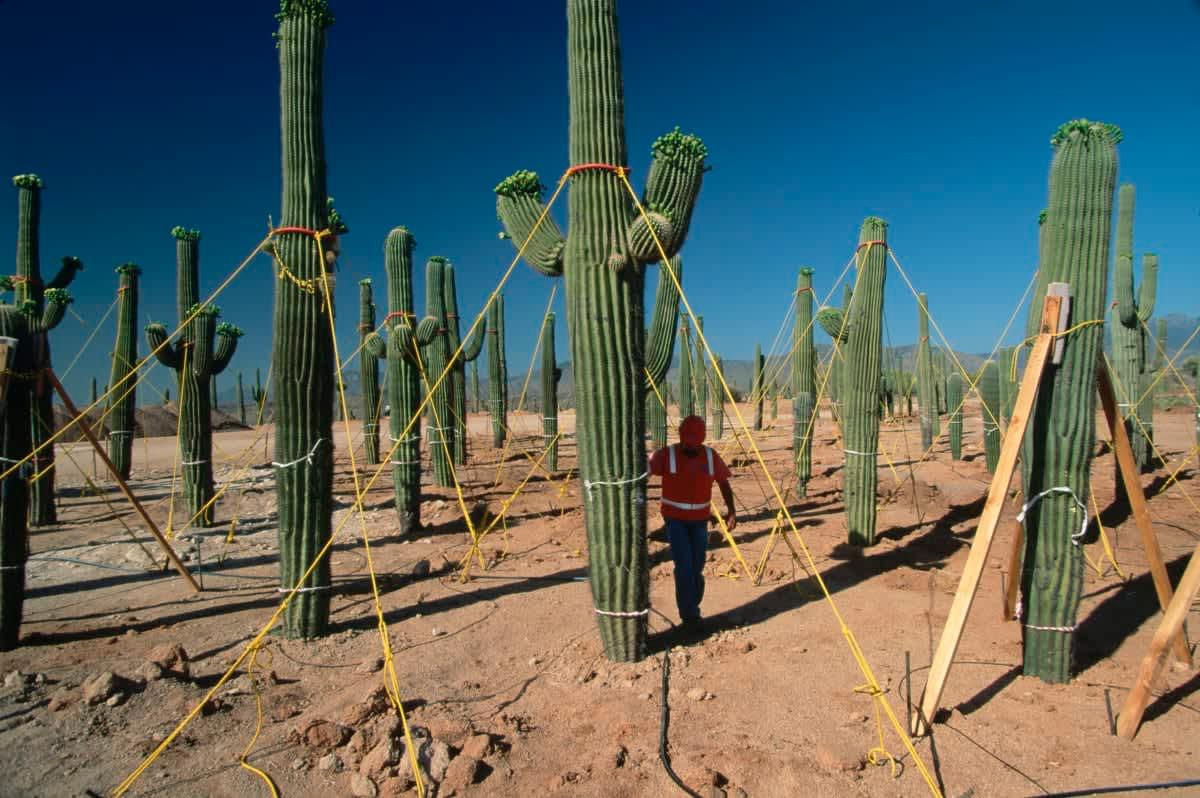
Man standing on sandy ground in a bed of saguaro cacti in southwest Arizona
This project is the sixth land protection initiative that TPL has undertaken to intensify the beauty of the park and strengthen its protective barrier. There are already scientists working on the Sonoran Desert Network, who regularly study the park’s “vital signs,” in the same way as a doctor studies the patient’s heartbeat. Despite going through a thriving period, the park repeatedly showed signs of habitat fragmentation and disrupted wildlife corridors, which not only impact the pollination of important plants, like cactus, but also the migratory patterns of animal residents.
Saguaro cactus, for instance, could grow only as much as the boundary of houses allowed. After the addition of this 20-acre parcel, it can grow without the bounds of buildings, safeguarded by the park’s sanctuary. The new parcel sits just south of Sweetwater Preserve, a 900-acre privately owned space. After the new addition, the park’s total acreage will become approximately 92,000 acres.
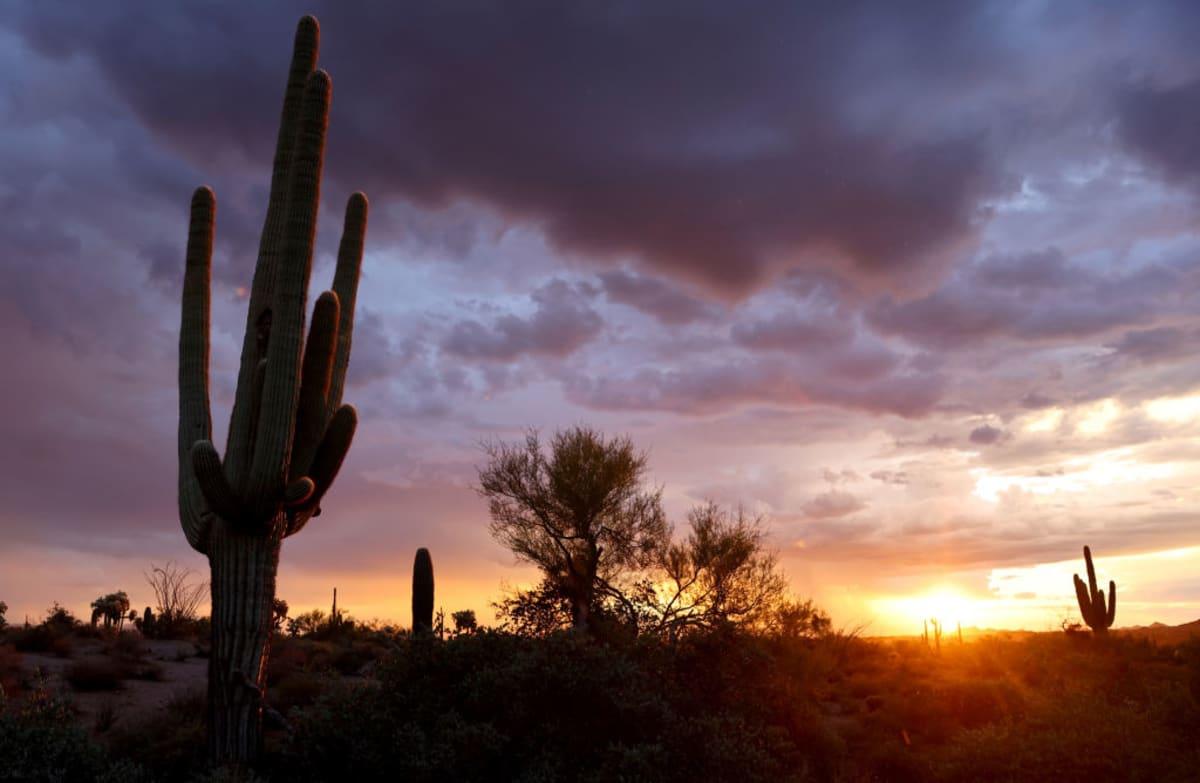
Iconic saguaro cacti towering gorgeously at sunset in southwest Arizona
Carrie Besnette Hauser, TPL president and CEO, said, "Saguaro National Park is one of America’s most beloved desert landscapes, and with this addition we’re advancing a long-standing community vision to connect the Park directly to Sweetwater Preserve and beyond." The land was purchased from landscape photographer Thomas Wiewandt. The funding was procured from the Land and Water Conservation Fund, which comes from the federal government’s share of offshore oil and natural gas revenues. Some financial assistance was also received from Pima County and the Southern Arizona Hiking Club. "This project would not be possible without the leadership of Pima County, the National Park Service, and community partners who share this long-term vision for the Sonoran Desert," Hauser added.
Until 2004, Sweetwater was the largest unprotected property in the Tucson Mountains. It was also the one that was under the threat of fragmentation due to residential development. Today, it boasts itself as the county’s most popular outdoor destination where thousands of people around the world come and enjoy an array of fun activities. “This addition strengthens wildlife habitat, expands outdoor access, and preserves a defining part of our Sonoran Desert,” said Senator Mark Kelly [D-AZ].
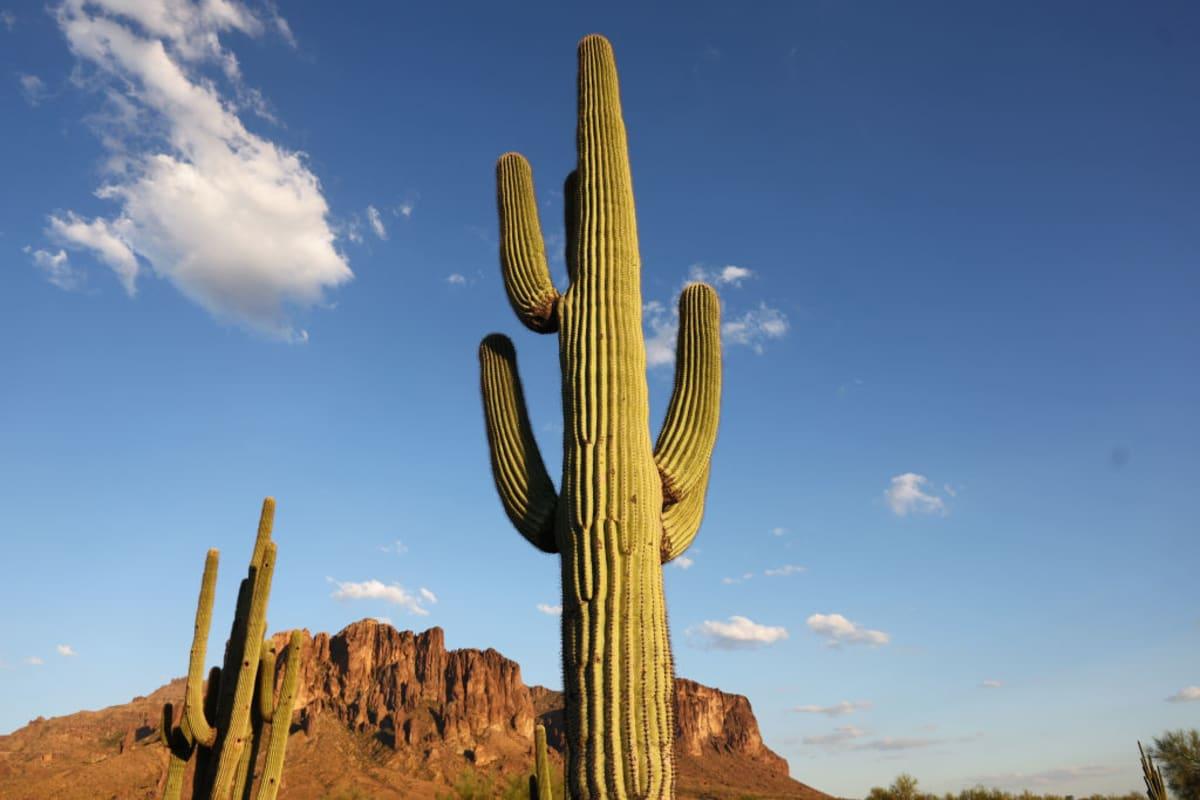
A bed of the iconic saguaro cacti in southwest Arizona
Reflecting on the recent patch-up of Sweetwater with Saguaro, TPL’s Project Manager, Michael Patrick, said that if this land had been developed, it would have brought new roads, fences, and therefore, fragmentation. But since they’ve chosen to keep the landscape whole, the wildlife can roam through the Sonoran Desert without restriction. Another advantage of this land marriage is that the privately-owned land is now under the umbrella of greater protection. "And at a time of worsening drought, transferring private inholdings to the National Park Service also strengthens the park’s ability to manage wildfire and protect this ecosystem for the future," he added.