
A Plume of Lithium Taints Earth’s Atmosphere. Scientists Just Linked It to Returning SpaceX Rockets
Published Feb. 24 2026, 6:48 a.m. ET

A 30-second exposure taken from Collm, Saxony, showing a Falcon 9 upper stage re-entering the atmosphere above Berlin, Germany, on 19 February 2025.
On the night of February 19, 2025, the skies of central Europe shuddered with the quiet thunder of a falling rocket that had broken up in space and was now zipping uncontrollably through the Earth's atmosphere, spitting sprays of metal. The rocket, SpaceX’s Falcon 9, had been careening for the past 20 hours, but researchers only noticed when an enormous fireball materialized in the night sky. Cameras and radar systems installed on the location detected the sight, as well as dozens of residents.
The next morning, when Adam Borucki, a man from Poland, walked out of his house, he found a chunk of the burned rocket lying in his warehouse, per the BBC. In this so-called “New Space Age,” dramatic re-entries like these aren’t unusual. This one, however, was. In a study published in Communications Earth & Environment, scientists hypothesized that the re-entry deposited a bulk of lithium vapor into the atmosphere, whose toxic fumes can choke up the planet’s breath.
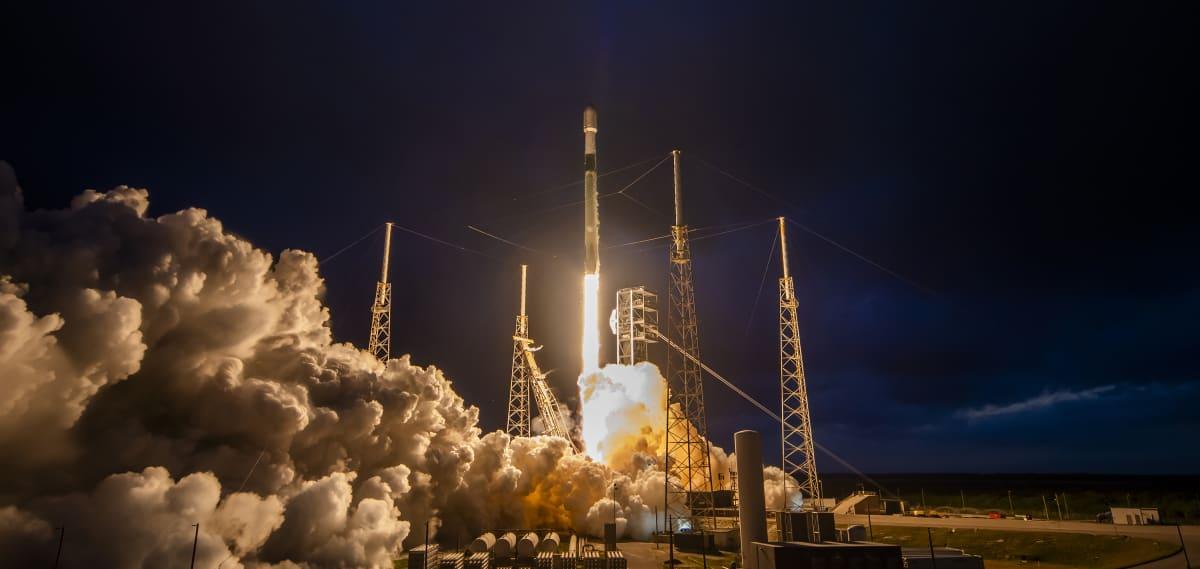
SpaceX's Falcon 9 rocket launching from Florida on February 19, 2025
When satellites installed in space burn up or spacecraft disintegrate, for a variety of reasons, they start plummeting towards the Earth. As they enter the atmosphere, they jettison shiploads of space junk onto our planet, which, over time, accumulate and create suffocating conditions for life. Tiny particles of sulfuric acid, sloshing with heavy metals, intrude into the air, polluting it. Aluminum is notorious for toxic bonding. As soon as it finds an oxygen atom hanging out in the atmosphere, it bonds with it, disturbing the temperature balance, per Space.com.
They are not the natural materials found in meteorites that crash into the Earth. For the past decade, scientists have been studying the risks these metallic debris pose to people and infrastructure, but little attention has been paid to the environmental consequences they might spur as they dart through the cloudy skies.
A Reddit user even joked that lithium is the new-age pollution. Older generations suffered from lead and asbestos; the following generations saw fluorocarbons from refrigerators gash a hole in the ozone layer; the current generation is grappling with microplastics, and the next one might become the victim of lithium. After Elon Musk pledged to launch one million satellites in the coming years, the possibility of this joke turning into horror is not far-fetched.
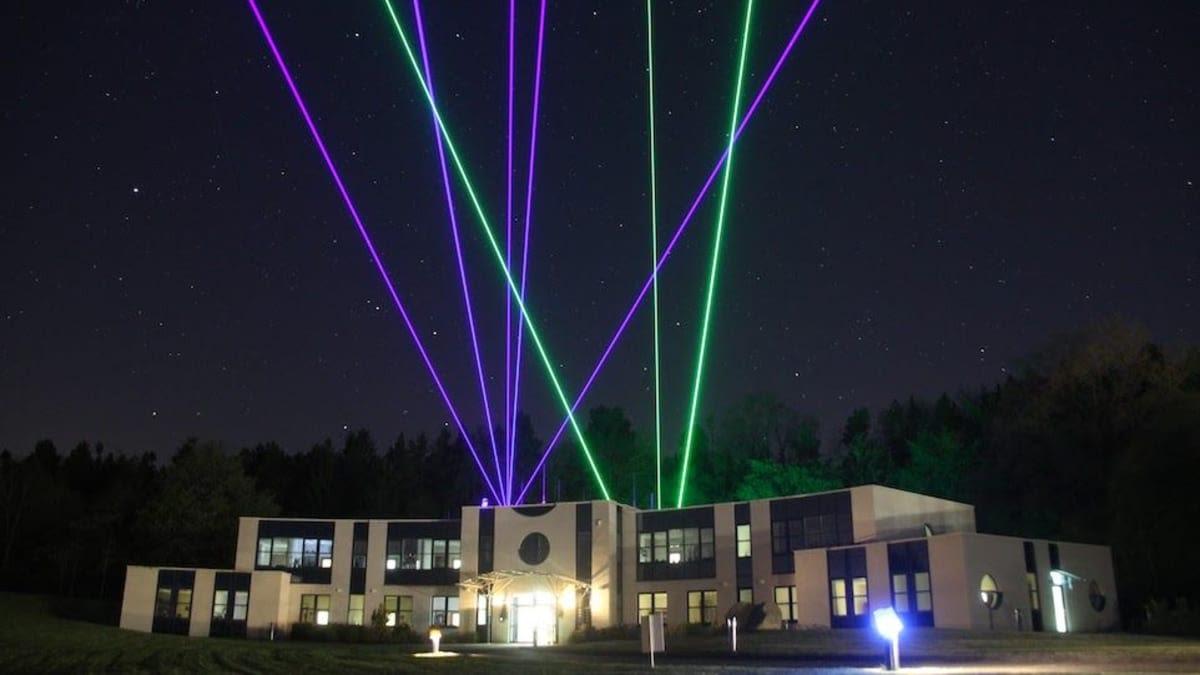
Researchers used highly sensitive lasers at the Leibniz Institute of Atmospheric Physics to detect pollution caused by space debris.
Following the observation of a lithium plume with a laser instrument called LIDAR, scientists correlated the time measurements with 3D wind fields in the atmospheric region. Analysis suggested that the plume might have been left by Falcon 9’s re-entry event. After running over 8,000 back trajectories with dozens of wind perturbation patterns, they tracked down the source of the plume.
Using the Leeds Chemical Ablation Model, they also estimated the altitudes where lithium-aluminum alloys in the spacecrafts start to melt and vaporize. For Falcon 9, in particular, the hull plating was 4.7 mm or 0.18 inches thick, from which they deduced the melting altitude of approximately 61 miles, which means the ablation process of this rocket is likely to start here.
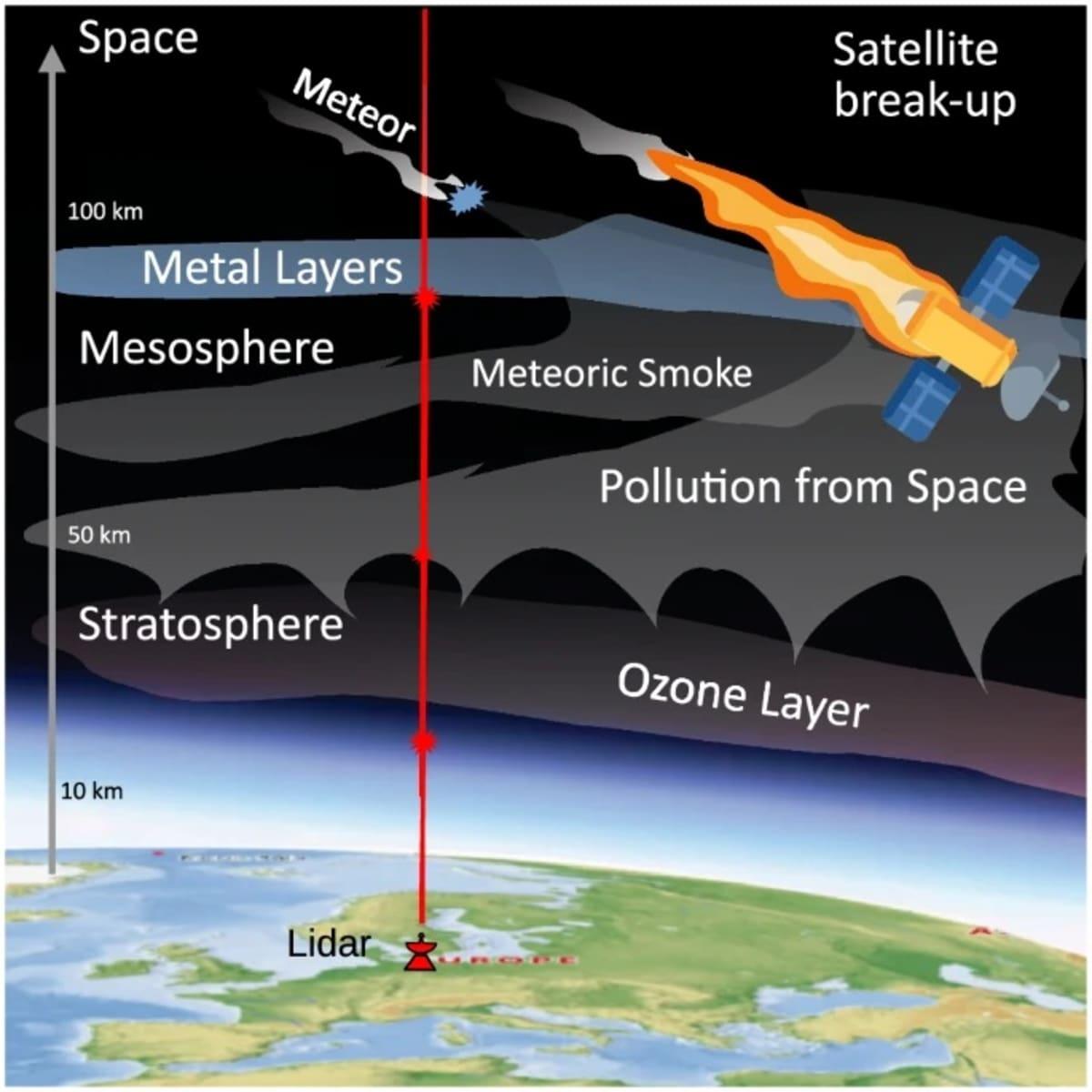
Natural metal layers form in the upper mesosphere due to meteor ablation and are measured by lidar. Additional mass and elements are now being introduced via the burn-up of artificial satellites. This new type of pollution has unknown consequences for the upper atmosphere and ozone layer.
A party of interesting observations and insights came to light, the first being the pernicious space junk material. Unlike natural chemicals and metals found in meteorites, the satellites and spacecraft spew artificially engineered materials like aluminum alloys, composite compounds, and rare earth elements that make up their electronic systems.
The more these materials accumulate in the atmosphere, the more space traffic they generate, accelerating the scope of pollution. On top of the lethal pollution, the materials drastically impact radiative transfer, ozone chemistry, and aerosol microphysics, factors that remain largely unstudied. One critical knowledge gap, however, limits our understanding: how metals influence properties of atmospheric aerosols, including the polar stratospheric clouds. By filling these knowledge gaps, scientists might be able to better strategize what to do with spacecraft once they disintegrate and scoot into the atmospheric artery of the Earth, sputtering miasmas of deadly gas and metal.