
or
Sign in with lockrMail

5 Houseplants That Prevent Condensation During Winter When Kept in Humid Spots - Horticulture Experts Reveal

By

Published Dec. 13 2024, 9:15 a.m. ET

(L) Housplants in a corner near the window. (R) Condensation and mould in a window caused by dampness and humidity. (Representative Cover Image Source: Getty Images | (L) Liudmila Chernetska, (R) Olga Dobrovolska)

(L) Housplants in a corner near the window. (R) Condensation and mould in a window caused by dampness and humidity. (Representative Cover Image Source: Getty Images | (L) Liudmila Chernetska, (R) Olga Dobrovolska)

Some houseplants serve a greater purpose beyond aesthetics, be it to enhance sleep quality in the bedroom or remove excess moisture from homes. Condensation inside homes is hard to escape during the winter months as the temperature falls in the external environment. To tackle the inconvenience, a few horticulture experts have suggested five houseplants be placed in humid spots to efficiently absorb moisture from the air. Expert and founder of Yardwork, Michael Clarke said, “Foliar uptake is the process in which plants absorb water through their leaves and stems through tiny pores known as stomata or directly through the leaf cuticle,” per Homes & Gardens. These plants could be your natural replacement for dehumidifiers this winter.
Article continues below advertisement
pn/df a  bbef aebf
Source: Representative Image Source: Getty Images | Artfully79

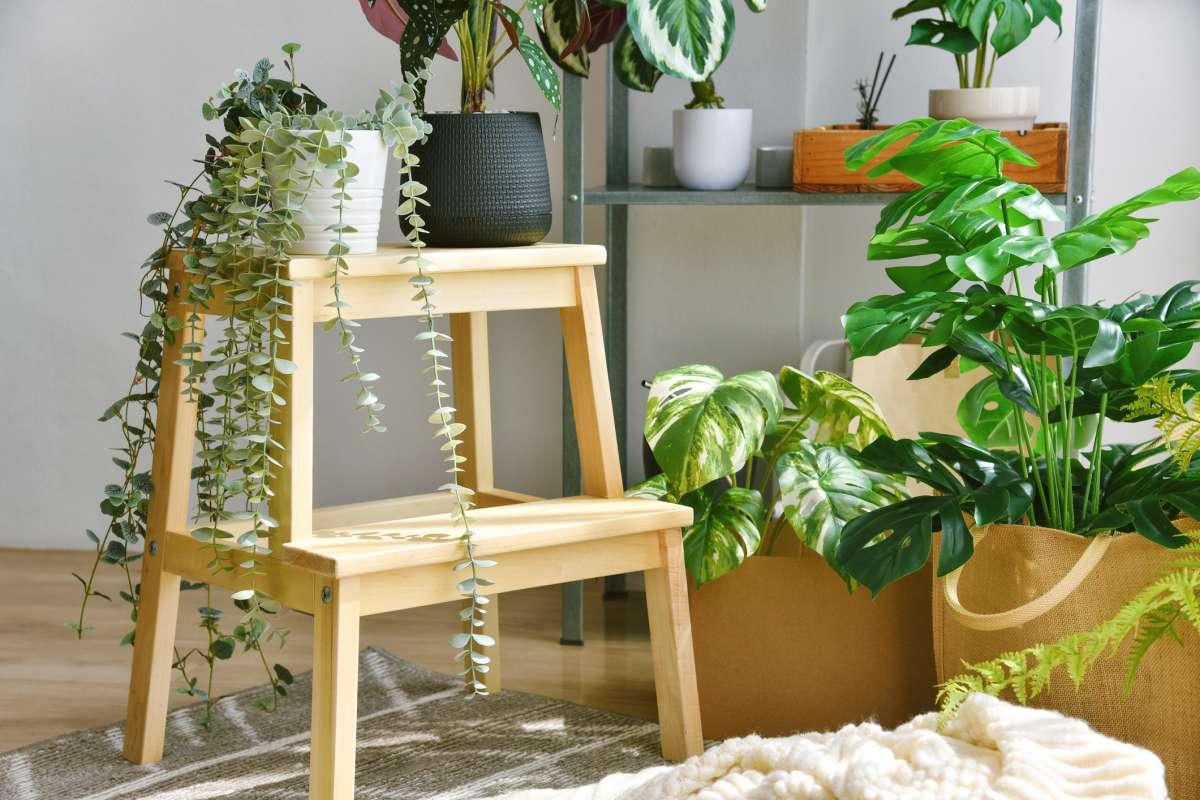
Indoor tropical natural houseplant for home interior and air purification.

Advertisement
More from Green Matters

Orchids thrive in humid environments and absorb nutrients from the moisture in the air. While they are also highly ornamental, maintaining these cosmopolitan plants is rather challenging. However, experts have revealed some easy-to-grow orchids that absorb moisture optimally. They thrive in a humid region with bright, indirect sunlight and adequate watering. “Orchids, like moth orchids, are able to take up water through their aerial roots and their leaves when under high humidity conditions,” Paris Lalicata, the head of plant education and community at The Sill, explained. She pointed out that orchid plants are epiphytes, meaning they grow in the bark of trees rather than the soil. Hence, possess developed aerial roots for easy moisture absorption. 

Bromeliads are native to the tropical American regions and are rarely seen as houseplants. But these plant species are known for their colorful appearance and waxy flowers. Bromeliads have high water storage capacities in their leave and generally grow in areas with high humidity. Lalicata revealed that these plants have “specialized leaf rosettes” that can trap and absorb moisture through their foliage and are collected in the central leaf rosette acting as a water tank supply for the plant. Bromeliads require bright sunlight and need to be watered carefully to prevent them from drying out.

Latest Food News and Updates

    © Copyright 2026 Engrost, Inc. Green Matters is a registered trademark. All Rights Reserved. People may receive compensation for some links to products and services on this website. Offers may be subject to change without notice.