
Gardening Guru Reveals Baking Ingredient That Helps Orchids Bloom Frequently for Upto 20 Years
Published Nov. 27 2024, 9:45 a.m. ET

Beautiful pink orchid flowers in their full bloom in a garden.
For centuries, orchids have been considered symbols of fertility and matureness, especially the pink orchid. From ancient Chinese emperors to Hollywood star Angelina Jolie, almost everyone loves these gorgeous blooms. The ornamented butterfly-shaped petals of orchids bloom over months and months, exuding a musty fragrance all around. Given their enchanting beauty, orchids are one of the most lovable flowers preferred by homeowners. Taking care of them is simple. But a hack devised by gardening enthusiast, Tiffany, the owner of Coconut Mama, ensures that the orchids last for as long as 20 years. The key lies in a secret ingredient.
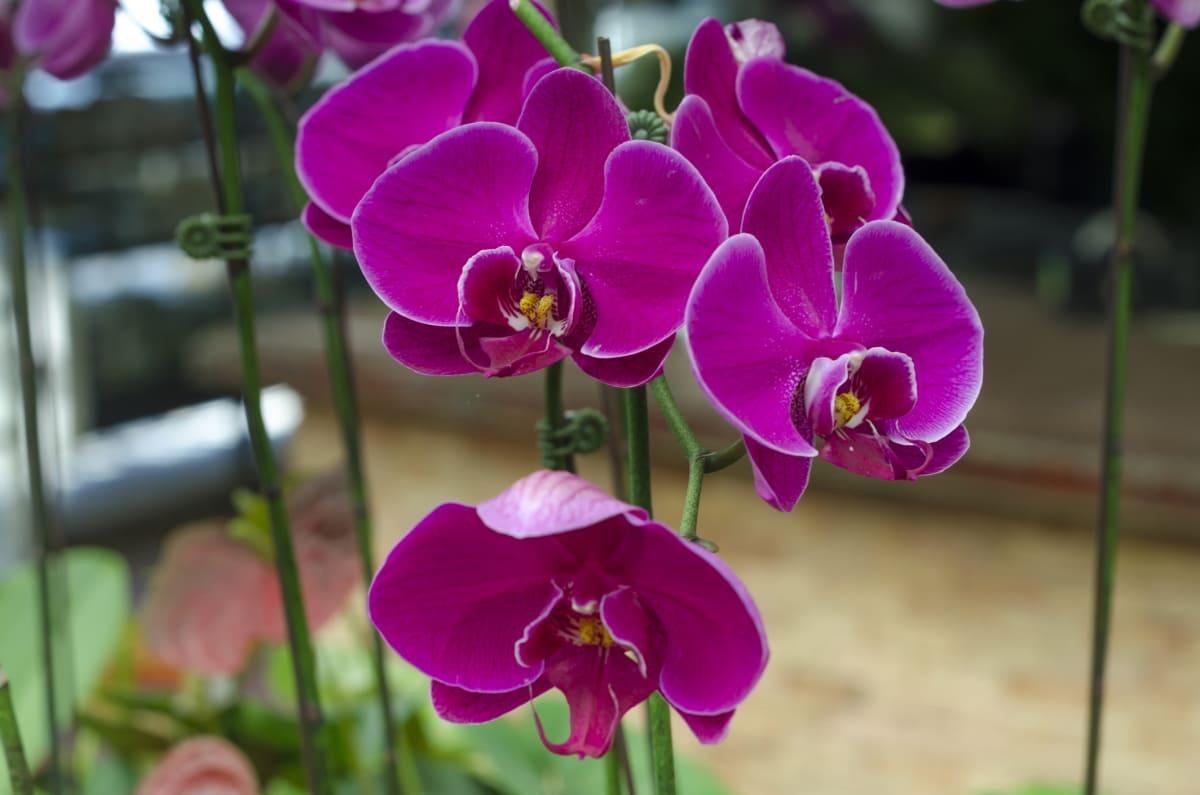
Beautiful pink orchids in potted plant
Tiffany explained that orchids have specific nutritional needs for them to become ripe. “Orchids are delicate, sometimes fussy plants that need specific minerals to thrive. Nitrogen, phosphorus, and potassium are several important nutrients that strengthen an orchid’s roots and allow it to bloom more often,” she wrote in the blog post. She added that “a regular fertilizer routine” along with “being kept at a warmer temperature in bright, indirect light” will keep this fabulous plant happy for years to come.
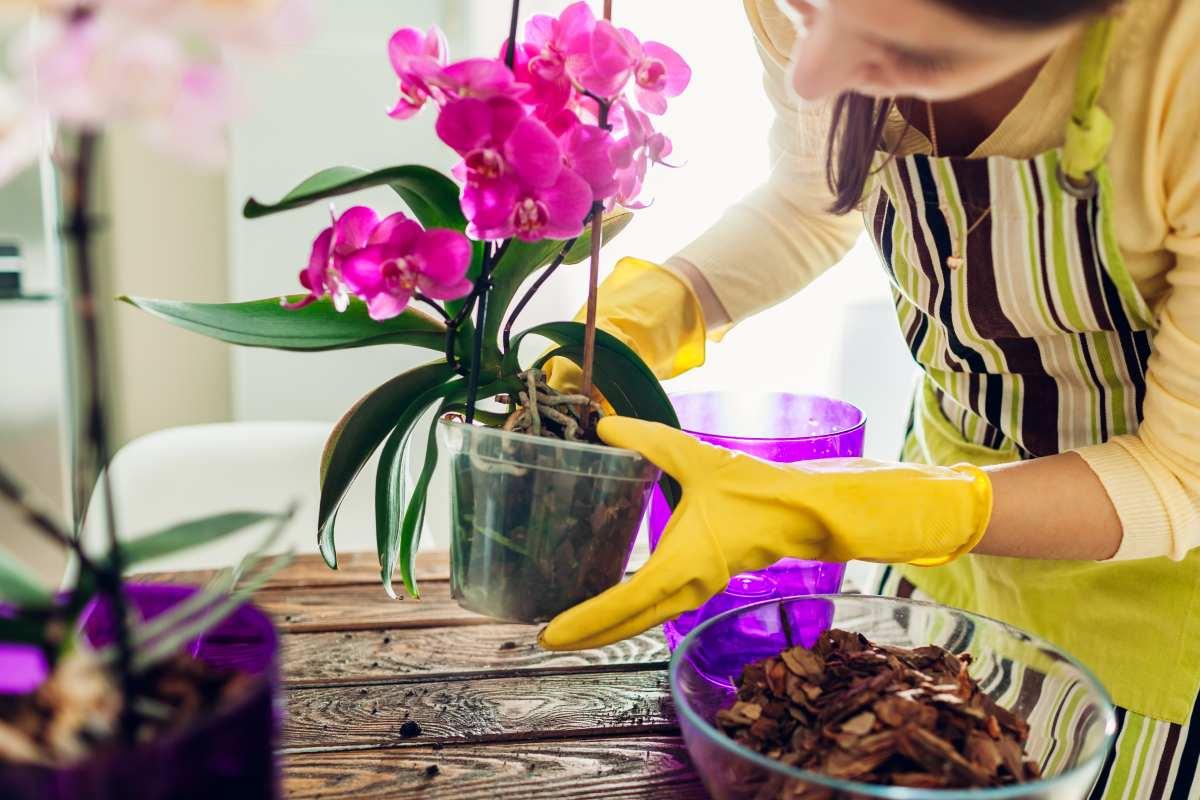
A woman transferring her orchid plant to another pot.
Although stores specializing in flower care are teeming with bottles of orchid fertilizers, Tiffany likes to employ a natural, homemade fertilizer from simple ingredients straight out of her pantry. It's an ingredient that is often used by bakers to bake gingerbreads, cakes, and pastries. “Molasses,” Tiffany described, “is high in potassium and micronutrients that help strengthen the orchid’s root system." The gardening expert laid out three steps to do the same. First, measure one cup of water into an 8 oz spray bottle. Take half a tablespoon of molasses, mix them in water, and shake to blend. When watering the orchids, sprinkle the liquid on the flowers, and then store the fertilizer at room temperature for up to six months. “Only fertilize three out of four weeks,” she instructed.

A Spoonful of Grape Molasses
Apart from molasses, other ingredients that can support orchids’ growth can be everyday foods that are rich in nitrogen, phosphorus, and potassium. Things like milk, eggshells, tea bags, and rice water are also excellent fertilizers. Coffee grounds, on the other hand, are not that good for orchids’ health, Tiffany revealed. “Coffee grounds need other organic material (and worms!) to break down and release their nutrients into the soil. Because orchid pots are mostly mulch that do not encourage decomposition, the grounds will be ineffective,” noted the gardener.
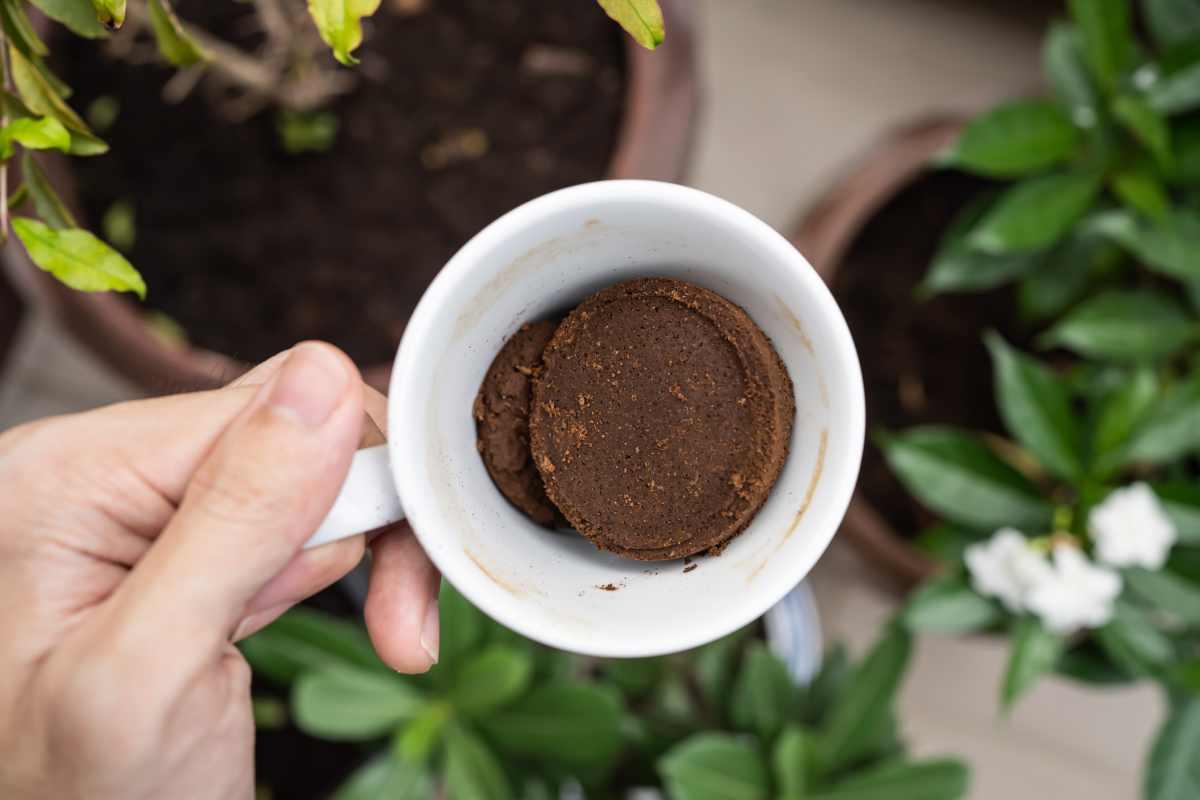
Using coffee ground as a fertilizer
Additionally, she explained that orchids require airflow to blossom further into maturity. But when coffee grounds are sprinkled directly into the soil, they pose the threat of clogging its roots, hence becoming a barrier to the flower’s growth. Better still is to plant the orchids in a food scraps bin in the kitchen where they can derive nutrients from the compost. Tiffany also mentioned several do’s and don’ts that flower lovers should follow while planting orchids. “Pay attention to how your plant is reacting,” she emphasized, and added, “Yellow leaves and sagging stems mean your orchid is not getting enough nutrients. In contrast, black roots, white crusty build-up, or dry leaf tips are signs of over-fertilizing.”