
WATCH: Scientists Tag Bear with Camera and Capture Unprecedented View of Its Life in The Arctic
Published March 11 2026, 4:40 a.m. ET

Footage from a bear collar.
Washington State University (WSU) has obtained some intriguing footage of grizzly bears. The footage was gathered from video cameras attached to GPS-enabled collars already on several Arctic grizzly bears. The objective behind this pursuit was to get a bear’s point of view on their activities. Researchers claim that the resulting footage is unprecedented and has significant scientific value. Ellery Vincent, a WSU graduate student involved in the ongoing study, claims that the footage is a big step forward from past evaluations.
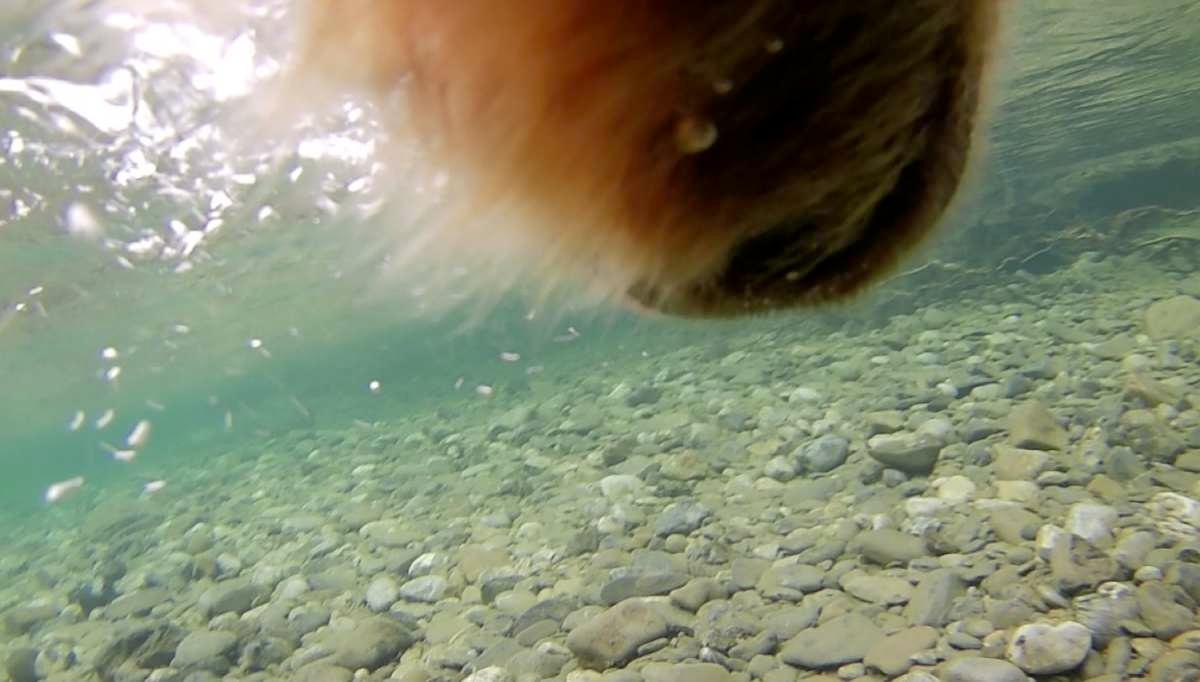
Each collar can record 17 hours of footage, and each bear received two collars, resulting in 400-plus hours of footage to view and categorize
Previously, the team had to rely on GPS for such evaluations, which led to location limitations in grizzly bear investigations. However, the recent video allows them a close view of the bears’ behavior, their eating habits, and their interaction with others of their kind. “It’s opened an entirely new window of opportunity that other collection methods don’t allow,” Vincent explained. WSU collaborated with the Alaska Department of Fish and Game to gather footage of Arctic grizzly bears during their active season for three years. Vincent led the study in its first year in 2025 and monitored grizzly bears during May, August, and October. She plans to return in 2026 and 2027 for more insights.
In 2025, twelve grizzly bears were used as subjects. Each bear was given two collars, providing the team with 400-plus hours of footage. Vincent, along with her team, viewed every minute of the footage to identify the foods and categorize the behavior. To date, they have identified several essential foods, behavioral patterns, and habitats that enable grizzly bears to survive the harsh conditions of the Arctic.
The team plans to use 12 new bears each year as subjects to broaden their scope. “With grizzlies, understanding the degree of individual variation is interesting,” Vincent said. “They each have different personalities and quirks, and their unique behaviors will ultimately be the factor that decides how well these bears can adapt to climate change. On a large scale, the climate is warming quickly in the Arctic, and we want to show how grizzlies interact with the entire ecosystem as resources change.”
Researchers hope that this footage will also help them shed light on how elevated temperatures affect polar bears. Scientists have long debated the trajectory of polar bears in response to climate change. Many suggest that polar bears will face issues, while others believe that they will adapt to living on land as sea ice slowly disappears from the Arctic.
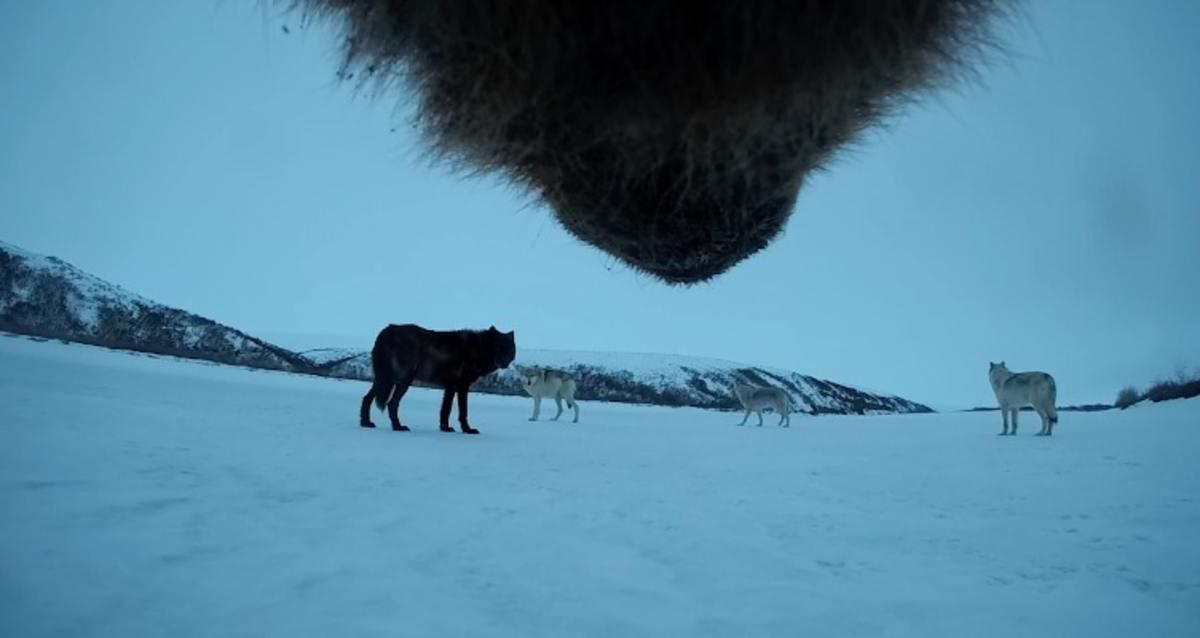
Grizzly Bear footage from Arctic
A past evaluation revealed that in the northern coast of Alaska, landlocked polar bears lost weight while grizzlies gained weight. “Some scientists say that polar bears can eat caribou, berries, and native waterfowl,” shared Charles Robbins, professor in WSU’s School of the Environment and founder of the WSU Bear Research, Education, and Conservation Center. “But they don’t mention that grizzlies who live in that area are much smaller than adult polar bears. The foods available on shore in the Arctic in the summer and fall, when polar bears come onshore, are of relatively low quality or quantity for polar bears.”
Through the grizzly bear footage, the team wants to understand whether polar bears have enough food on land to survive. They believe that the eating habits of the grizzly bears will shed light on this fact, considering the previously detected dynamic between the two creatures. “It’s an ambitious goal, but important to helping both kinds of bears continue to live and thrive in the Arctic,” Vincent said. It may also showcase the behavioral aspects that should be incorporated into the lifestyle of polar bears to help them sustain in changing times.