
This Overlooked Plant Has Been Quietly Helping Forensic Experts Solve Crimes, New Study Reveals
Published Jan. 2 2026, 8:51 a.m. ET

Scientist in a forest ecosystem using magnifying glass for in-depth research of moss.
Mosses are a boon to nature, but it turns out, they are equally as useful in solving crimes. According to a new study published in the journal Forensic Sciences Research, the tiny plants can provide critical evidence, leading a criminal investigation to its conclusion. Despite being tiny, growing on damp grounds and shady places, the plant species can hide botanical traces that can lead to a place or a person. In 2013, researchers analyzed the microscopic moss fragments and determined the burial site of a body. When a skull was discovered on a riverbank of Italy's Alpine valley, the crime investigators relied on botanical evidence to find new leads for the case. The moss Hygrohypnum luridum was found colonizing the skull and the clothes recovered from the crime scene.
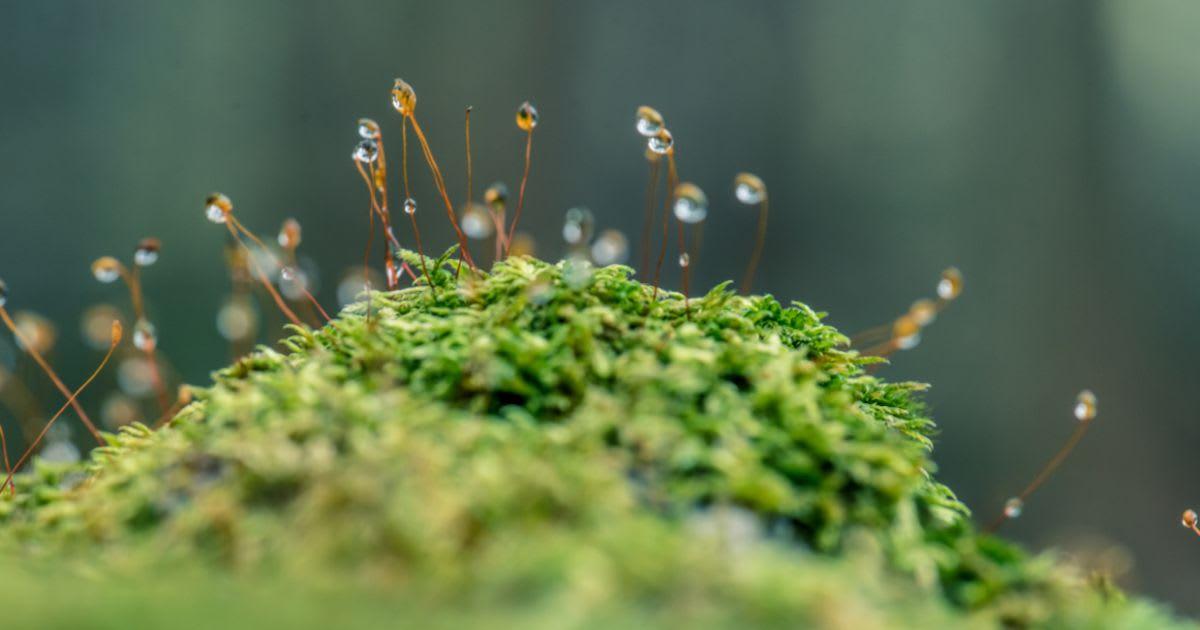
Moss sporangia with morning dew
Research showed that the sample contained three intact moss branches along with some other botanical evidence that proved crucial for the case. The scientists used the moss species' growth rate as a natural clock. Each healthy branch showed 1 year of growth, and the few decaying pieces pointed to another lost year. Altogether, the evidence indicated that the skull belonged to a person who died about 4 years ago. This case was one of the many examples that highlight that the often-neglected mosses can prove useful. Matt von Konrat, Head of Botanical Collections at the Field Museum in Chicago and corresponding author of the paper, emphasized that their study intends to raise awareness on not just the ecological importance but also the value of plants like mosses in forensic studies.
"With our paper, we wanted to highlight the significance of botanical evidence, because chances are, investigators are simply overlooking it because they don't know what they're looking at," he said, as per Science Daily. "We're hoping that our study helps show how important these tiny plants can be," he added. Researchers believe that plants in forensic studies are heavily underused. According to the research paper, the Lindbergh kidnapping case in 1932 was one of the earliest cases where wood was presented and accepted as viable evidence. The incident is believed to have established what modern-day forensic botany is. Mosses are part of a plant group called bryophytes and have an extremely simple external structure. Although the species doesn't have roots, stems, and leaves, they easily absorb nutrients from its surroundings.
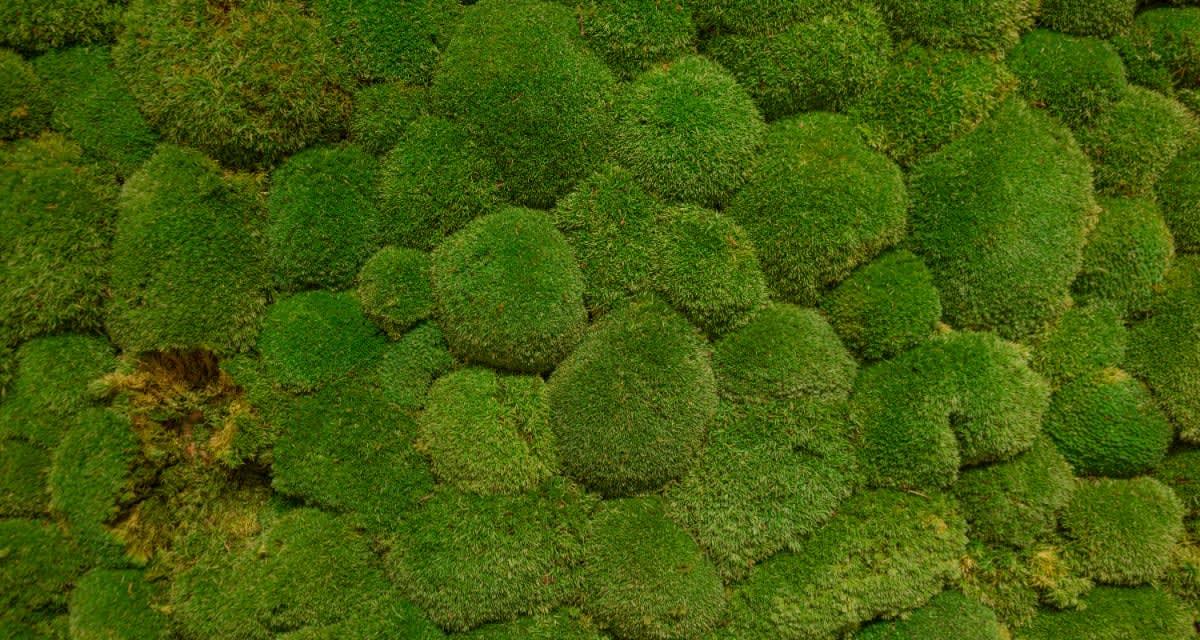
Background of rough bulge and bumpy moss and green wall
Konrat explained that despite being one of the tiniest plant species, they have rich microhabitats, and different types of bryophytes thrive in different environmental conditions. Yet, they are quite versatile and manage to find a place that supports their growth, be it under a shade or a canopy. "And different types of even smaller organisms can live on those mosses, which can give even further clues," Konrat added. "This means that mosses can be a valuable tool for forensic scientists looking to confirm details of where a crime took place," he explained. Experts hope that their research will encourage criminal investigations to use botanical evidence, even if it is as tiny as mosses, and seek forensic advice to help solve the case. They also hope that the use of bryophytes in crime solving can provide closure to the affected families sooner.
"Plants, and specifically bryophytes, represent an overlooked yet powerful source of forensic evidence that can help investigators link people, places, and events," says Jenna Merkel, a Master's degree holder in forensic science at George Washington University. "Through this paper, we aim to raise awareness of forensic botany and encourage law enforcement to recognize the value of even the smallest plant fragments during investigations," she added.