
There’s a Secret Benefit to Putting Orange Peels in Your Garden — and Not Many Know About It
Published April 21 2025, 10:46 a.m. ET

A woman holding pieces of orange in a garden.
When a glass of orange juice is made, the juicy, kidney-shaped sacs of the fruit are squeezed to the point that they collapse into a sloppy pulp on the kitchen counter. On the other side, the harder oily rind that once enveloped these sacs remains just as sturdy as it was before the peeling. Yet, this peel is often tossed away in the dustbin, destined to decay in a gloop of trashed items. But wherever they’re made to go, orange peels know how to work out their magic. In 1998, a juice company dumped thousands of truckloads of orange peels in a barren Costa Rican pasture. In the next 16 years, the peels reacted with the soil and transformed the wasteland into a fertile rainforest.
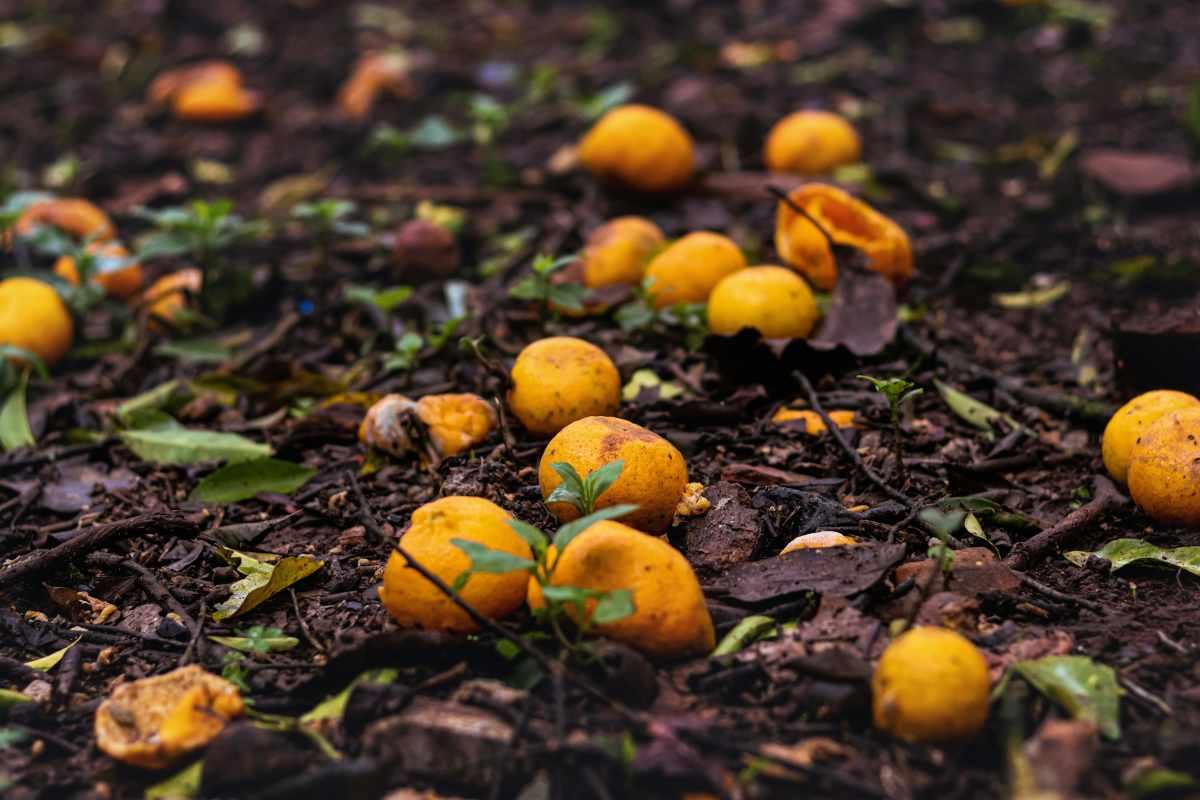
Orange peels scattered on the forest floor
An Indian actress, Twinkle Khanna, also wrote on Instagram that she adds the powdered rinds of oranges to her garden patch for fertilization. Embodying the potent power of Vitamin C, these fibrous orange peels can act wonders on a garden, given that they are utilized and not dumped. In an interview with Country Living magazine, Shauna Walsh, a PDSA vet, revealed that orange peels can help gardeners shoo away the cats who might show up uninvitingly in their garden.
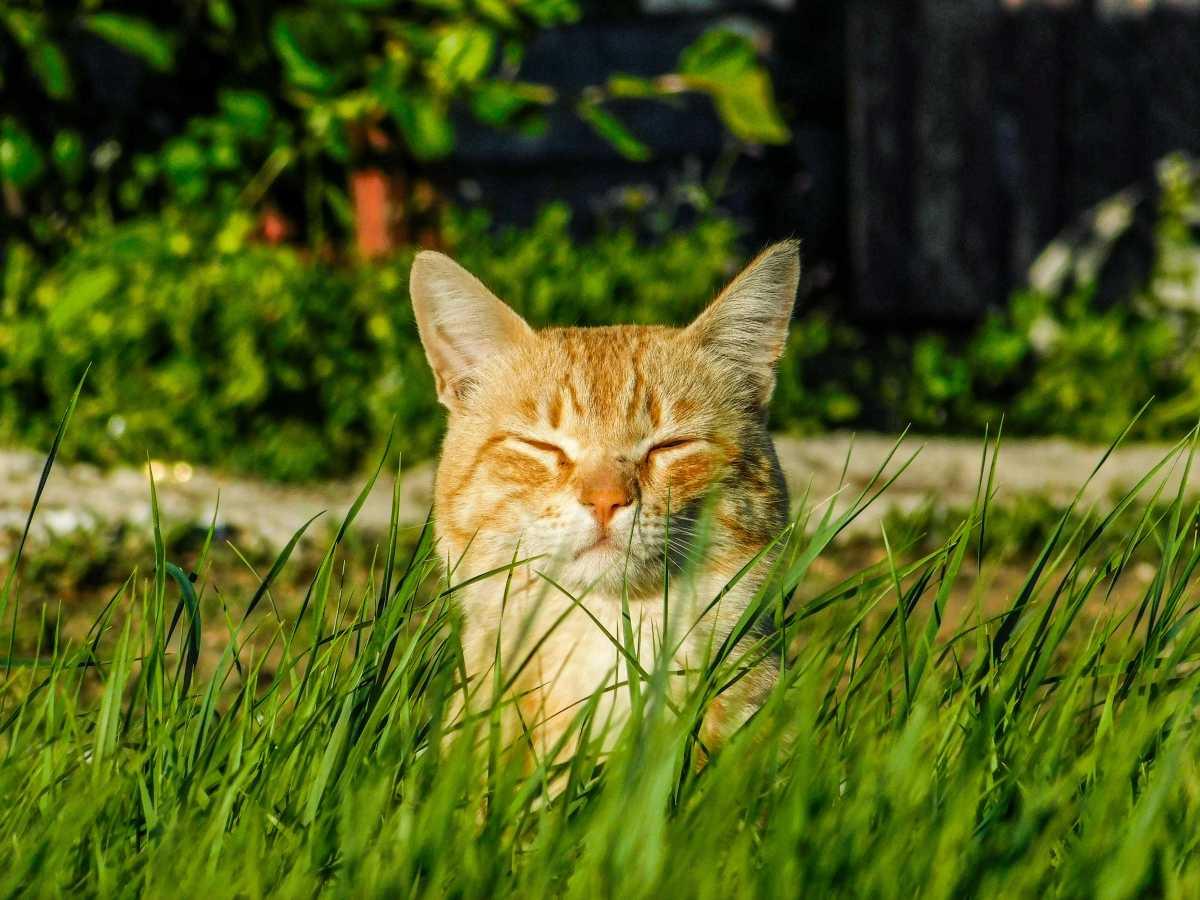
A cute cat trodding in a field of tall green grasses
Cats are creatures of habit. They don’t require a legal document to enter someone’s garden. Wherever they put their paws, it becomes their territory. Yet when they step inside a garden, they can’t resist a fresh mat of mulch beneath their feet. They scrape holes in the soil, they squash the bulbs of budding flowers, and sometimes, use the thick cover of dense bushes to sprinkle their pee and poo in the flowerbed. For non-gardeners, it might appear like a rare case, but cats creating a nuisance in the gardens is such a prevalent issue that one woman in Hunt County strangled, smothered, and killed a cat because it had stepped into her flowerbed, Fox4News reported.
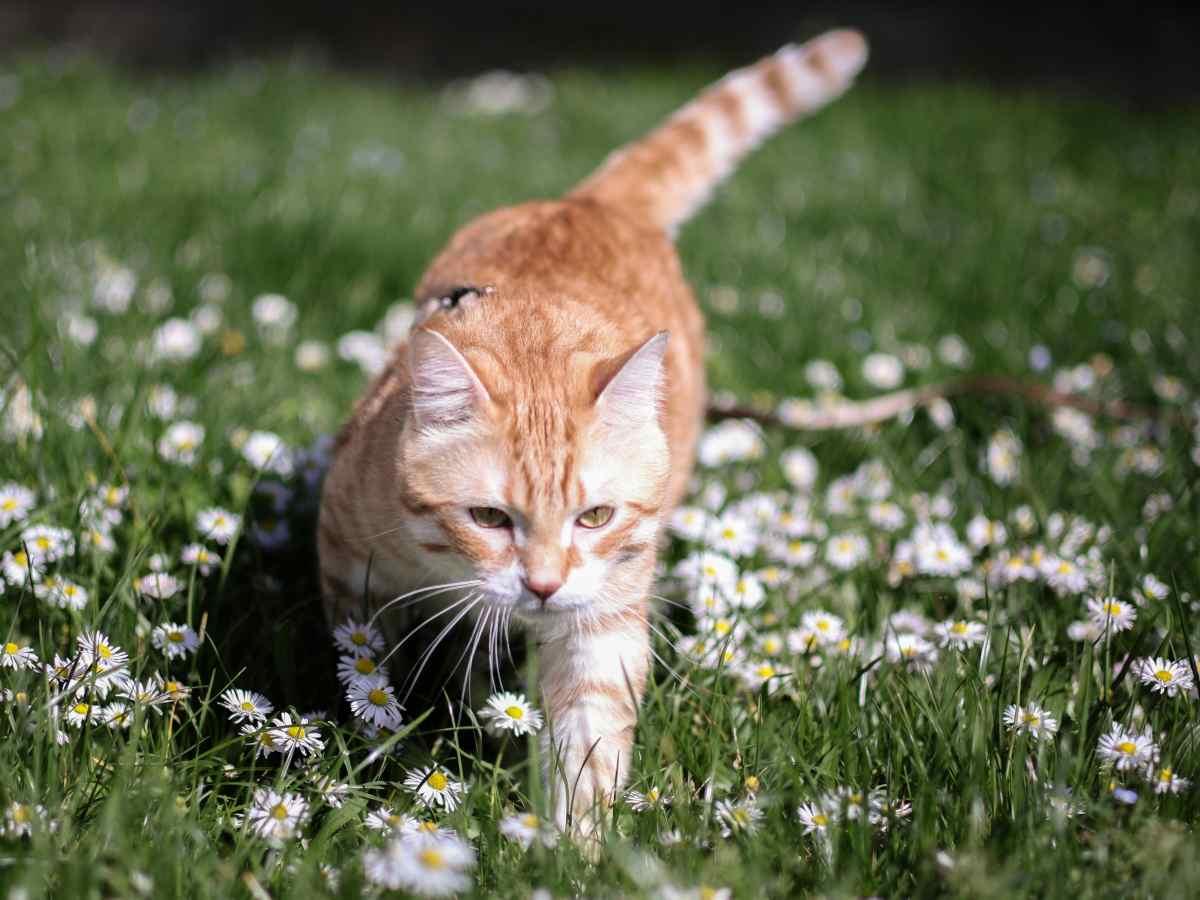
Bold cat walks proudly in a flowerbed
For those who love cats, it’s a challenging situation to get the cats out of your space without hurting them. But it is even grosser to enter your flowerbed and be welcomed by those unpleasant poopy presents left by a furry feline, unless your goal is to become an entrepreneur. A study published in the Proceedings Of The Royal Society revealed that the chemicals in cat’s poo triggers entrepreneurship-related thoughts in a person’s brain. Yet, it seems unacceptable to allow these kitties to soak your flowerbed in their pee or glop it with gluts of their poop. The trick to showing the door to these intrusive cats lies in orange peels. Their scent, to be precise.
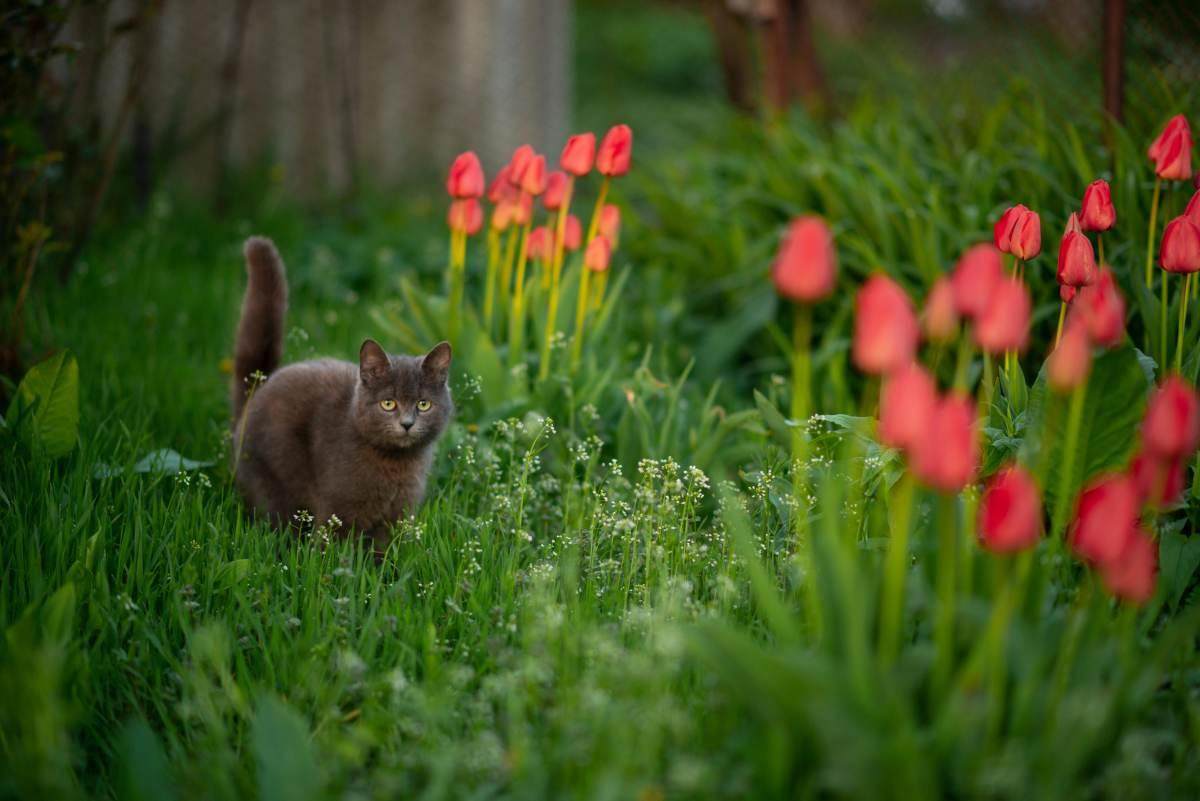
Curious brown cat meadering through a garden
“Using orange or lemon peel is a great option, as cats are known to dislike citrus scents. Not only this, but it won’t cause them or other animals any harm. Fresh lemon juice or white vinegar diluted in water are other pet-safe options that you can spray on toileting hotspots to deter any curious cats who may be inclined to visit when nature calls." Walsh explained to the magazine. The website explained that cats are extremely sensitive to the scents of lavender, peppermint, cinnamon, oranges, and lemons.
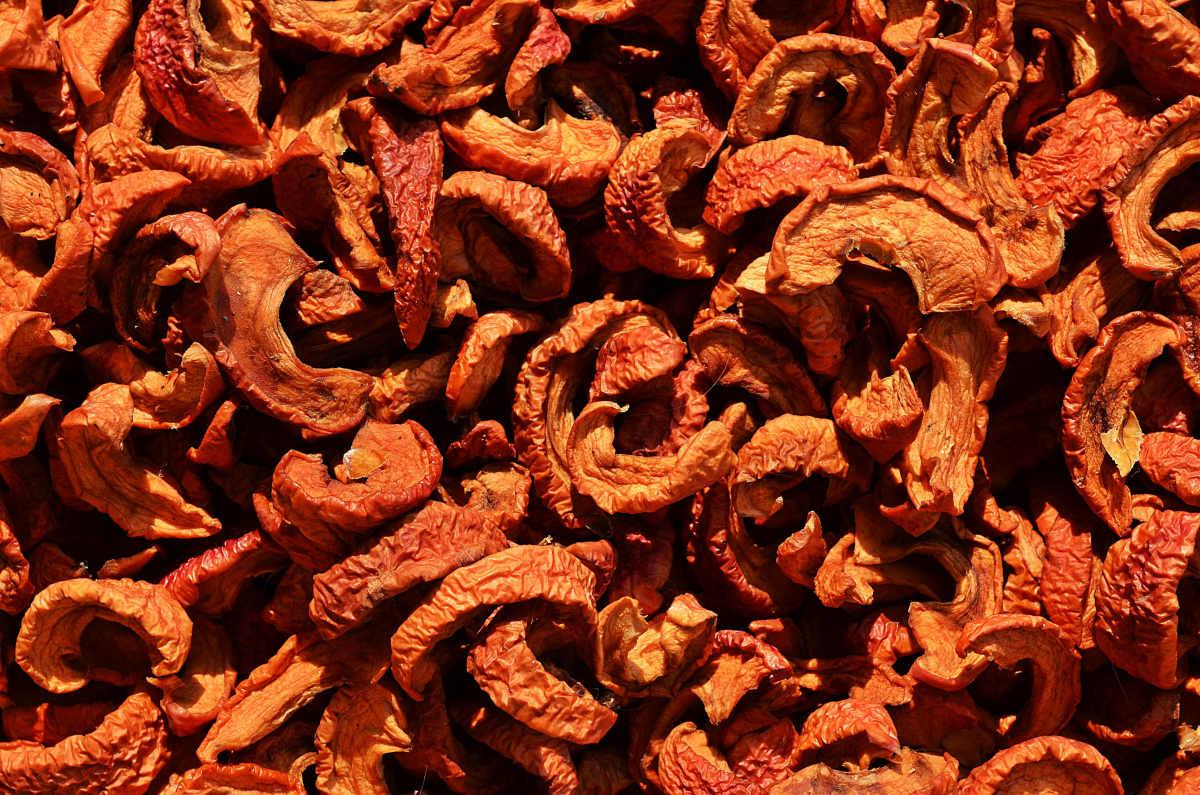
Orange peels scattered on the floor
There’s another advantage of scattering crushed orange peels in the garden. An expert told Homes & Gardens that orange peels are rich in minerals like nitrogen, phosphorus, and potassium, which are good for plant growth. So when the peels are added to the garden soil or to the flowerbed, the organic matter liberated from their decaying acts as a compost which fertilizes the soil and nourishes the flowers. Another way, apart from crushed peels, is to distil the orange peels’ essence and spray it on the cats using a sprinkler. This sudden burst of citrusy liquid will scare them away because cats hate getting wet.