
or
Sign in with lockrMail

How to Find What Animal Is Digging Holes in Your Garden? Wildlife Expert Reveals

By

Published Jan. 3 2025, 9:45 a.m. ET

(L) Green-leafed trees in a huge garden. (R) Gopher hiding in a hole (Representative Cover Image Source: Pexels | (L) Lalesh Aldarwish, (R) Reagan Ross)

(L) Green-leafed trees in a huge garden. (R) Gopher hiding in a hole (Representative Cover Image Source: Pexels | (L) Lalesh Aldarwish, (R) Reagan Ross)

Sprawling garden lawns brim with life and can be difficult to maintain. Keeping track of all the animal visitors who tend to chomp on your freshly planted sapling or furrow into your rich garden soil is quite the challenge. Two wildlife experts have stepped in to enlighten with their wisdom on the type of animals that dig holes in garden beds and how to identify which one of them might be doing it. This is the first step in saving your garden from the sneaky troublemakers.
Article continues below advertisement
pn/bfad ff d afbd fedeaf
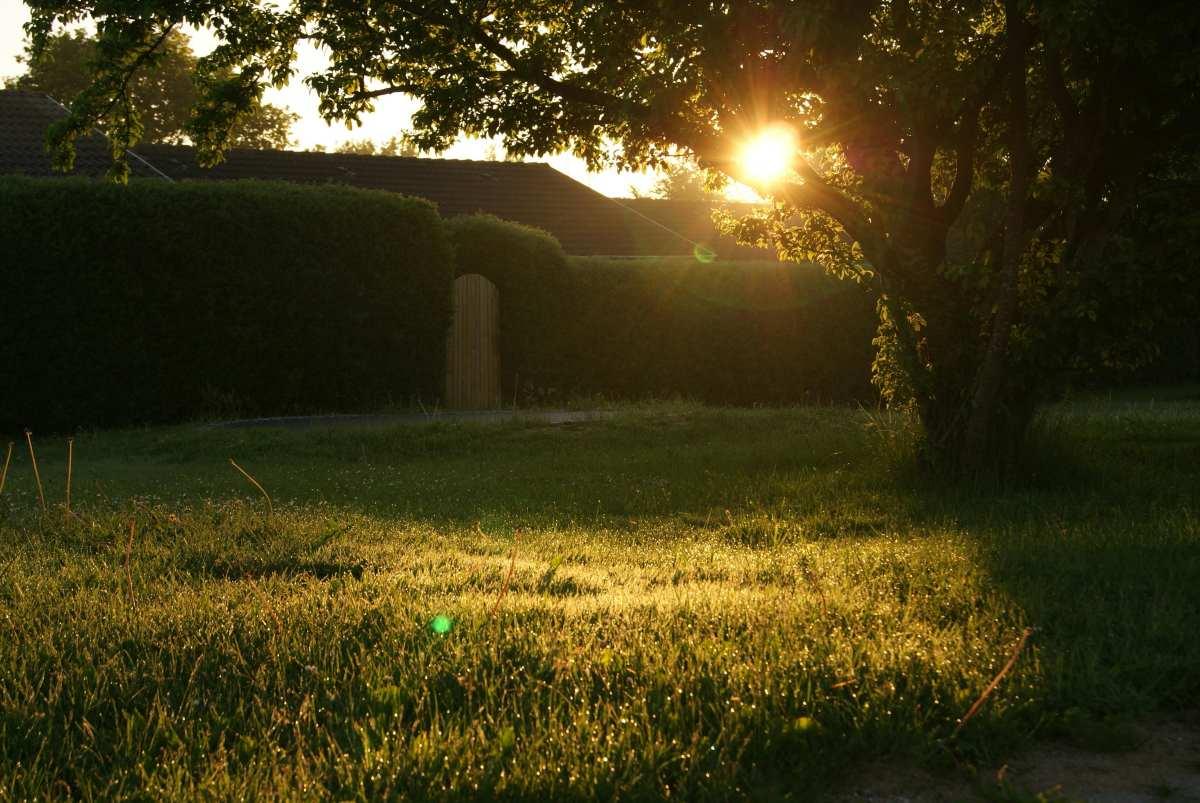
Source: Representative Image Source: Pexels | Anders Kristensen

A garden lit by sunshine.

Robert Pierce, PhD, an associate professor and wildlife specialist at the University of Missouri said, “You’ll need to gather information to figure out what might be causing the damage.” He suggested that some “sleuthing” is necessary for gardeners to make sure that they are not targeting the wrong animal to be eradicated. The tactics are highly dependent on the type of damage, time of year, hole appearance, when holes usually occur, and droppings, per Southern Living.

Advertisement
More from Green Matters

One of the fascinating garden animals, armadillos is distantly related to anteaters and sloths, per Brittanica. These garden culprits burrow in forested regions and dig up multiple holes, about a dozen, only a few inches deep on garden beds. People often presume them to be rodents or marsupials but they are nocturnal and barely appear during the daylight hours. Three-toed tracks with claw marks on the garden are a good identification trait for armadillos. 

Raccoons are opportunistic feeders and are highly adaptable to any nutrition available. They forage for both plants and animals in addition to garbage, pet food, bird seed, vegetables, and eggs from chicken coops. These clever animals forage at dawn and dusk but are most active during the night. They dig into existing holes expanding them into a new home. 

Voles are herbivores and can be spotted in gardens during the day. They feed and work all day and night. Vole activities are confused with that of moles’ but the former builds surface or shallow underground tunnels that are about 1 to 2 inches wide with multiple flat entrance holes in a small area. 

Latest Health & Wellness News and Updates

    © Copyright 2026 Engrost, Inc. Green Matters is a registered trademark. All Rights Reserved. People may receive compensation for some links to products and services on this website. Offers may be subject to change without notice.