
Scientists Finally Catch Sight of Rare Marsupial That Disappeared 80 Years Ago
Published Feb. 19 2026, 9:57 a.m. ET

A close-up picture of a northern quoll
For the first time in 80 years, a rare and endangered marsupial has been rediscovered in Australia’s Piccaninny Plains Wildlife Sanctuary at Cape York. The rare marsupial in question is the northern quoll, which has been listed as endangered by IUCN. Due to a long absence, experts assumed it had vanished from the area. However, it shocked everyone when it was detected on a motion-sensor camera at the facility. The news was made public by the establishment on January 5 through an Instagram post. After analyzing the footage, experts determined that the northern quoll has adapted some features to protect itself in the sanctuary.
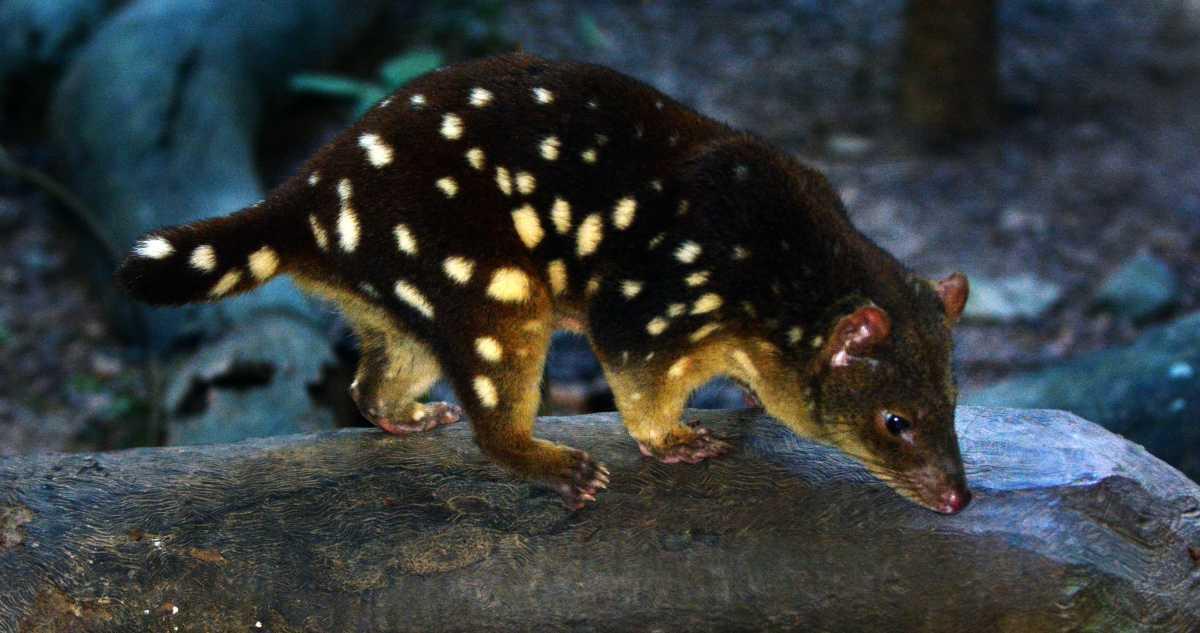
Northern quoll located in the Daintree National Park, Queensland, Australia
The northern quoll is a nocturnal animal enveloped in reddish-brown fur on the outside and cream fur on the underside. Also, it has white spots on the back with a blackish tail. They mostly live in tree hollows and rock crevices. Northern quoll, also known as “North Australian native cat,” once dominated the northern and eastern Australia landscape, according to Newsweek.
Their numbers have declined due to attacks from feral predators like cats, toxic cane toads, habitat loss, and inadequate fire regimes. Piccaninny Plains Wildlife Sanctuary officials used targeted camera deployments in 2015, 2021, and 2023 to locate northern quolls in the facility. These deployments were done because ecologists were concerned that the marsupials had stopped using the facility as their habitat. Since 2008, they have not been detected in any of the surveys conducted by the sanctuary.
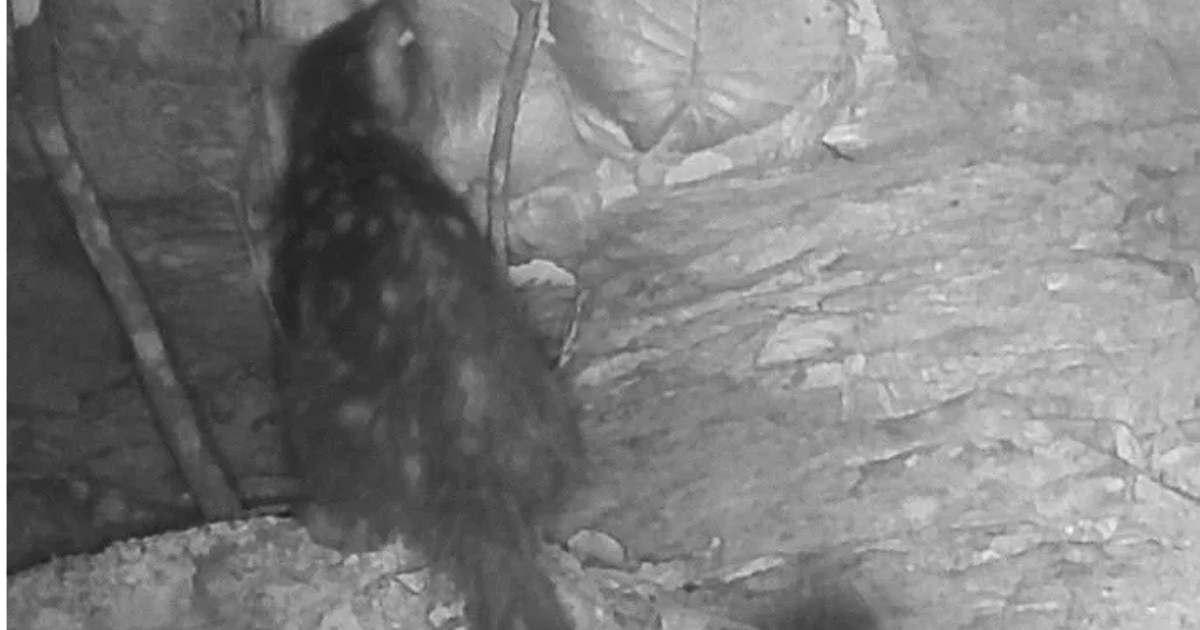
Marsupial in the facility
Sanctuary manager Nick Stock did not believe the vanishing theory. On a hunch, he fixed a camera on an isolated rocky outcrop in the facility, back in 2025. In just days, evidence of a northern quoll came forward. “It was a fantastic surprise!” Helena Stokes, AWC Wildlife Ecologist, said. “After years of no sightings, to finally confirm a northern quoll on the sanctuary is hugely uplifting for our team. It reinforces the importance of persistence, good science, and managing threats across large landscapes.” Stokes added that the footage has provided a roadmap, based on which the team can conduct future surveys. “It’s an exciting sign that targeted, science-led conservation is helping keep one of Australia’s most threatened marsupials hanging on,” the sanctuary shared on social media.
The rocky outcrop where the marsupial was uncovered does not receive any visits from feral cats and has mostly escaped fires due to the facility’s fire management programs. This reveals that the creatures have deliberately chosen a site where the damaging factors are absent. However, cane toads were spotted in the area. “It’s possible this quoll, and hopefully others, have adapted their behaviour in response to the presence of cane toads. Understanding that resilience could be vital for the species’ long-term survival,” Stokes said.
Such insights will hopefully help experts understand what conditions encourage the sustenance of northern quolls in Cape York. “Every rediscovery matters,” shared Nick Stock, per the press release. “Just when we were close to giving up hope, this little quoll reminds us why we keep searching, and why protecting these landscapes at scale is essential.” Another quoll was photographed back in 2017 at the neighboring Indigenous-managed Kaanju Ngaachi Wenlock and Pascoe River IPA by Chuulangun Rangers.