
Researchers Have Named the ‘Healthiest Food in the World’ — and You Can Grow It in a Flower Pot
Published April 15 2025, 11:46 a.m. ET

A couple is excited over using microgreens in their meal.
When an astronaut gazes from their spaceship’s window, they notice the ball-like Earth smudged with patches of green color. When zoomed up close into the innards of the planet, these green patches reveal themselves to be patches of fertile soil made dense over time with thickets and groves of vegetation. Rising out of the earthly womb, these rainbow-hued vegetables and fruits explode with the workhorses of nutrients that would later satiate the greatest needs of humans: nutrition. Even though each vegetable and fruit promises its own unique bounty of nutrients, some are more attractive prospects than others when comparison steps in.
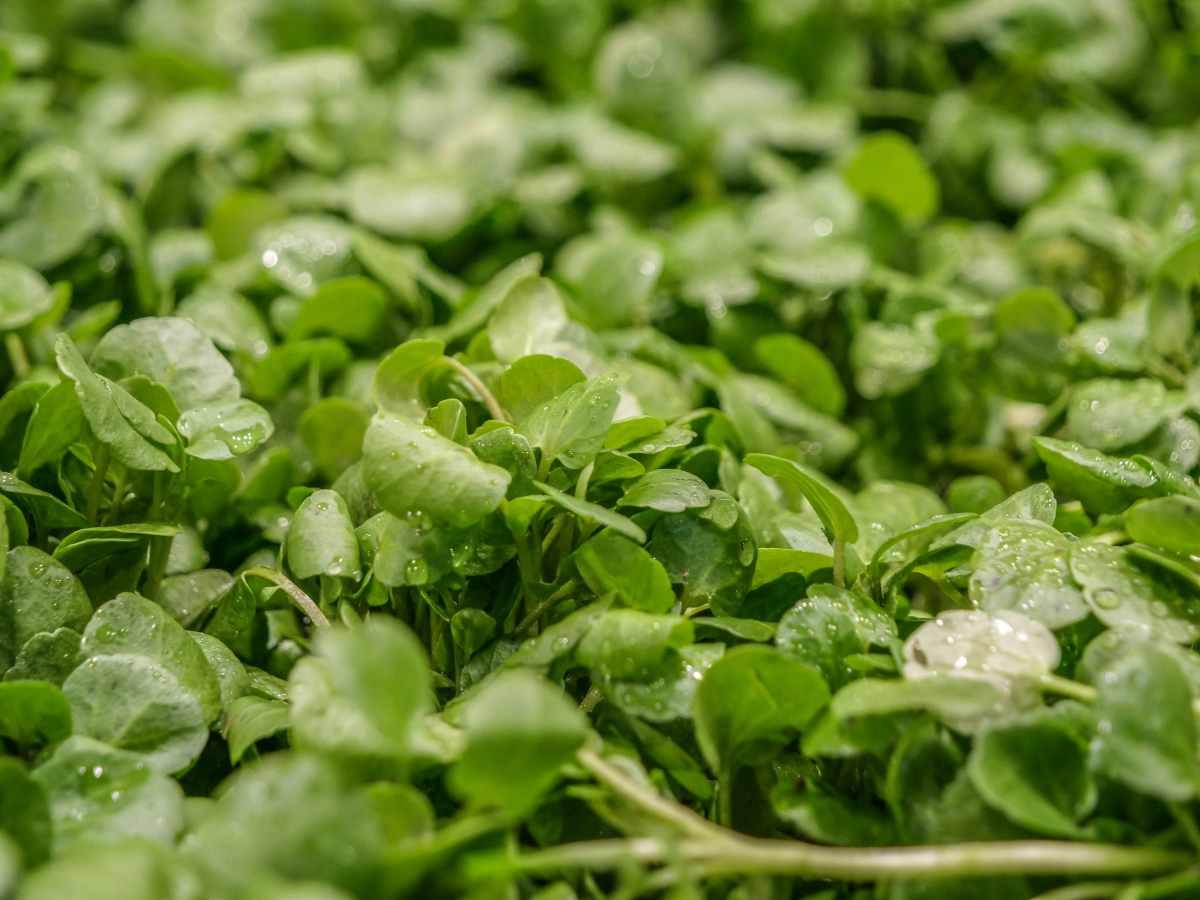
Cluster of the aquatic plant watergress
Intrigued by this science, Professor Jennifer Di Noia carried out an experimental comparison to define the “powerhouse fruits and vegetables.” In a study published in the Centers for Disease Control and Prevention Journal, she and her team shared a list of 47 foods sorted by their nutrient density score. The winner in the list turned out to be a vegetable they had least expected. Typically regarded as a leafy garnish in salads and sandwiches, the “healthiest food in the world” can be grown in the comfort of your home garden. The name is “watercress.”
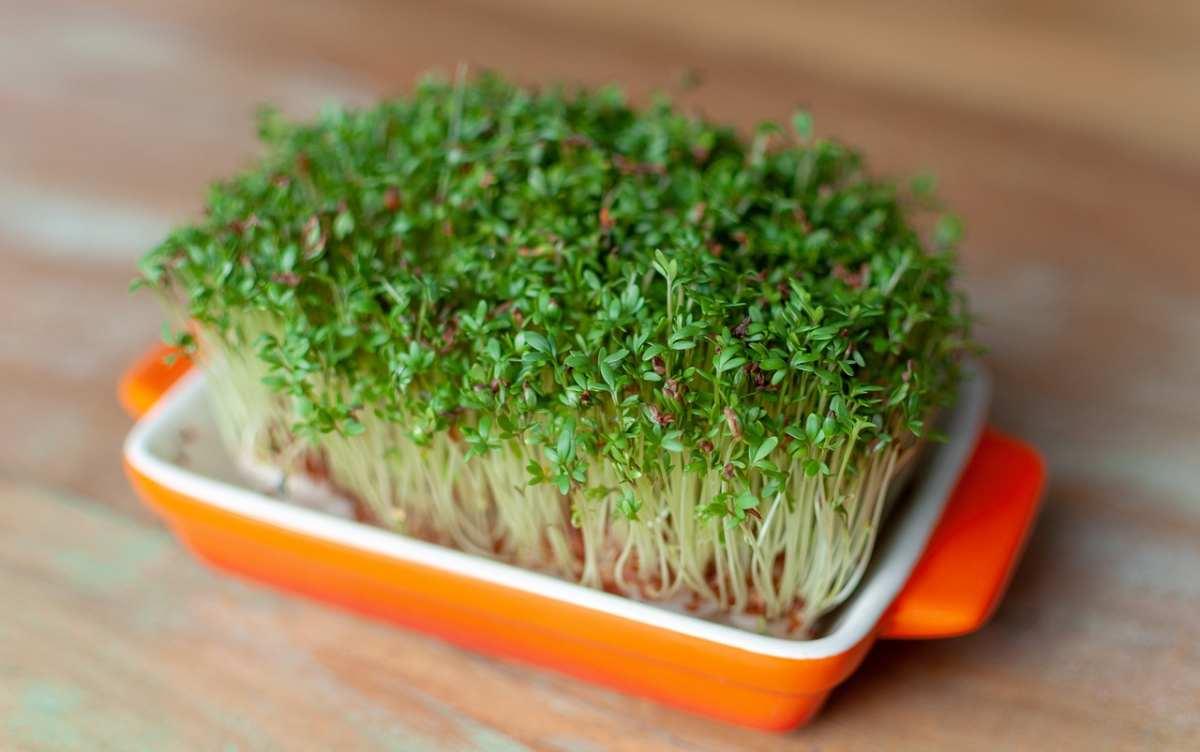
Cluster of watercress grown in a tray
For the research, Noia and her team from William Paterson University in New Jersey examined 47 vegetables and fruits. They compared them with each other to determine their nutrient density score and see if they could be listed as powerhouse produce. The classification scheme they employed was based on how much nutritional value they provided per 100 kilocalories. The nutritional value was calculated based on 17 qualifying nutrients, including fiber, potassium, protein, calcium, folate, vitamin B12, vitamin A, vitamin D, and others. “Higher-ranking foods provide more nutrients per calorie,” Noia explained in a press release. “The scores may help focus consumers on their daily energy needs and how best to get the most nutrients from their foods."
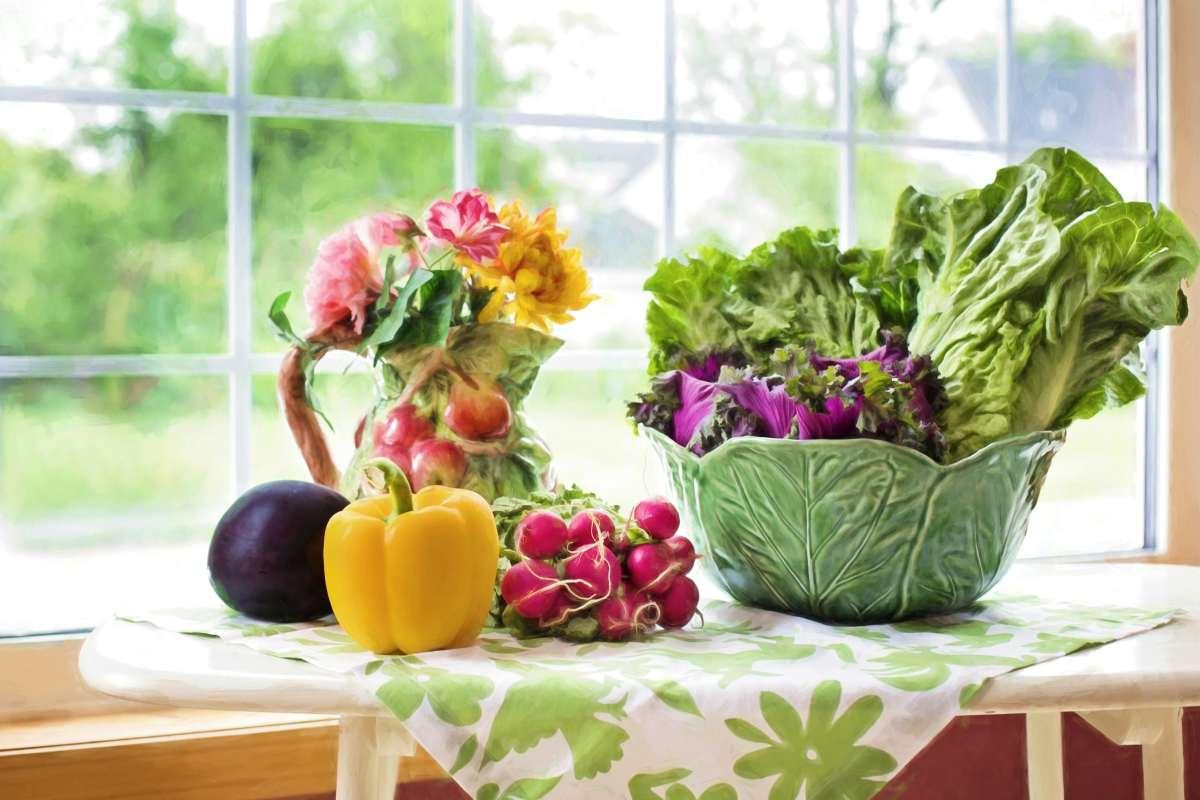
Vegetables and fruits stacked on a counter
The winner of the experiment, watercress, scored 100 points as compared to Chinese cabbage (91.99), Swiss chard (89.27), beetroot (87.08), spinach (86.43), chicory (73.36), and collard green (62.49). Vogue explained that watercress offers a wealth of Vitamin K that prevents cell damage to the brain. The antioxidants reduce the risk of DNA damage, while essential mustard oil is a natural cough suppressant, a digestion booster, and a potent detoxifier. According to The Guardian, watercress houses more iron than spinach, more vitamin C than oranges, and more calcium than milk, hence becoming a literal nutritional superstar.

A sandwich garnished with watercress leaves
Legend has it that around 400 BC, Hippocrates, the father of medicine, constructed his first hospital deliberately close to a stream on the Island of Kos, so he could provide his patients with an abundance of the powerful and healing watercress. Belonging to the mustard family, the peppery, mustard-flavored weed was nicknamed “nasturtium” by the Romans. Nasturtium, according to watercress.co.uk, translates to “twisted nose.”
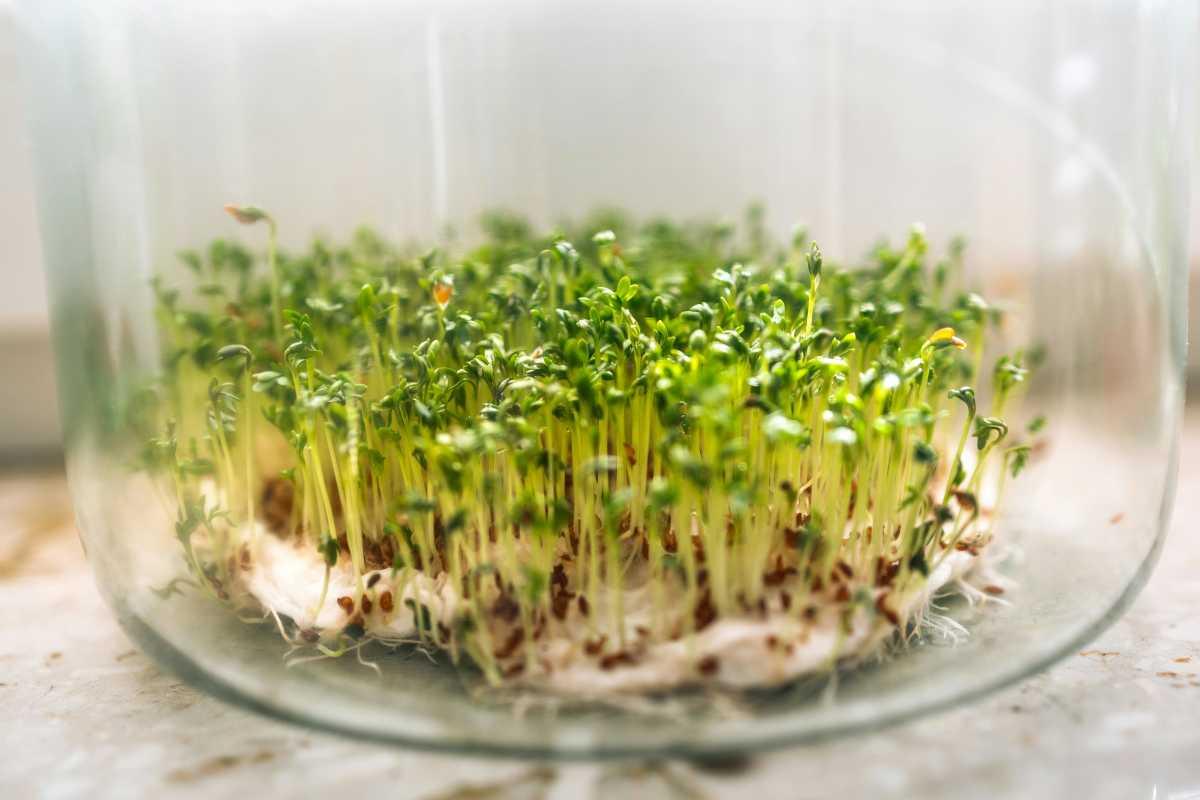
Cluster of watercress grown in a glass jar
Shaped like eggs and scallops, the thick green leaves of watercress jut out from the lissome stems that dance and undulate like seaweed in shallow waters, straddling along the edges of watercourses like stream beds, rivulets, and natural springs. In springtime, these stems rise from the watery ground, adding yellow and green undertones. These watercress clusters attract families of deer and antlers who feed the plant to their babies. As they walk away, they unknowingly carry its seeds, scattering them wherever they go. As a result, the watercress keeps on expanding its territory. But as surprising as it may sound, this wild, wet plant can also be grown in a place as compact as a household flower pot or a home garden.
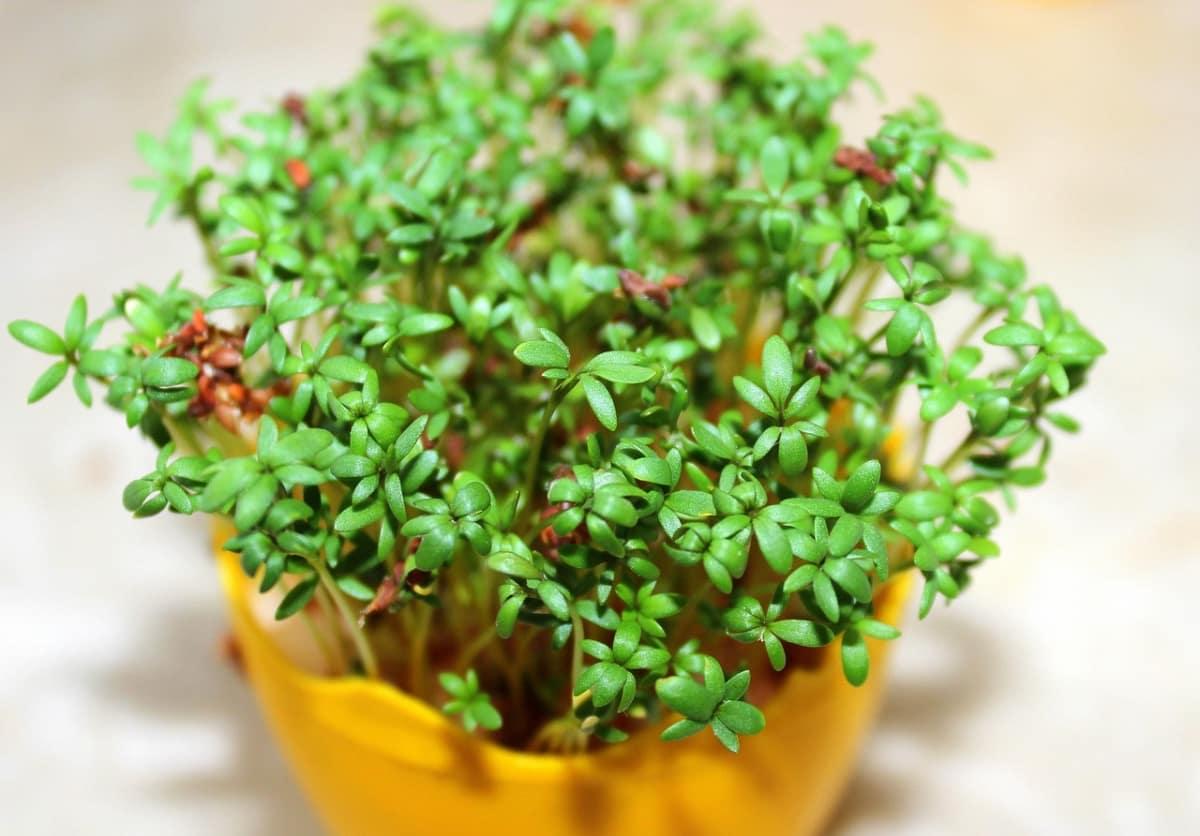
Cluster of watercress grown in a yellow plant pot
Mr. Earth Official explains that a watercress plant can be grown by digging a foot-deep trench in the house garden and enriching it with organic matter. Sow seeds in early spring at around 55 degrees Fahrenheit, either directly into the ground or in seed trays, she explains. But when it comes to eating, too much of anything is bad, even the healthiest food. “The message isn’t that we should only eat watercress. The message is to eat a variety of fruits and vegetables, a mixture of foods within the powerhouse group,” Noia suggested.