
Mysterious Ocean Beneath Antarctica’s Largest Ice Shelf Stuns Scientists with Rare Insights
Published Jan. 22 2026, 4:26 a.m. ET

Navigating among enormous icebergs, including the world's largest recorded B-15, which calved from the Ross Ice Shelf of Antarctica.
Researchers have discovered unprecedented insights about the evasive ocean that exists beneath Antarctica’s Ross Ice Shelf, as published in the journal JGR Oceans. Its insights are crucial, as a change in it could have devastating consequences for global sea levels. The study reveals four years’ worth of records regarding ocean processes taking place beneath the middle of the Ross Ice Shelf. At this spot, the ice is around 1,000 feet thick, and the ocean is around 1,300 feet deep. The evaluation concentrated on the center of the ice shelves, rather than the edges.
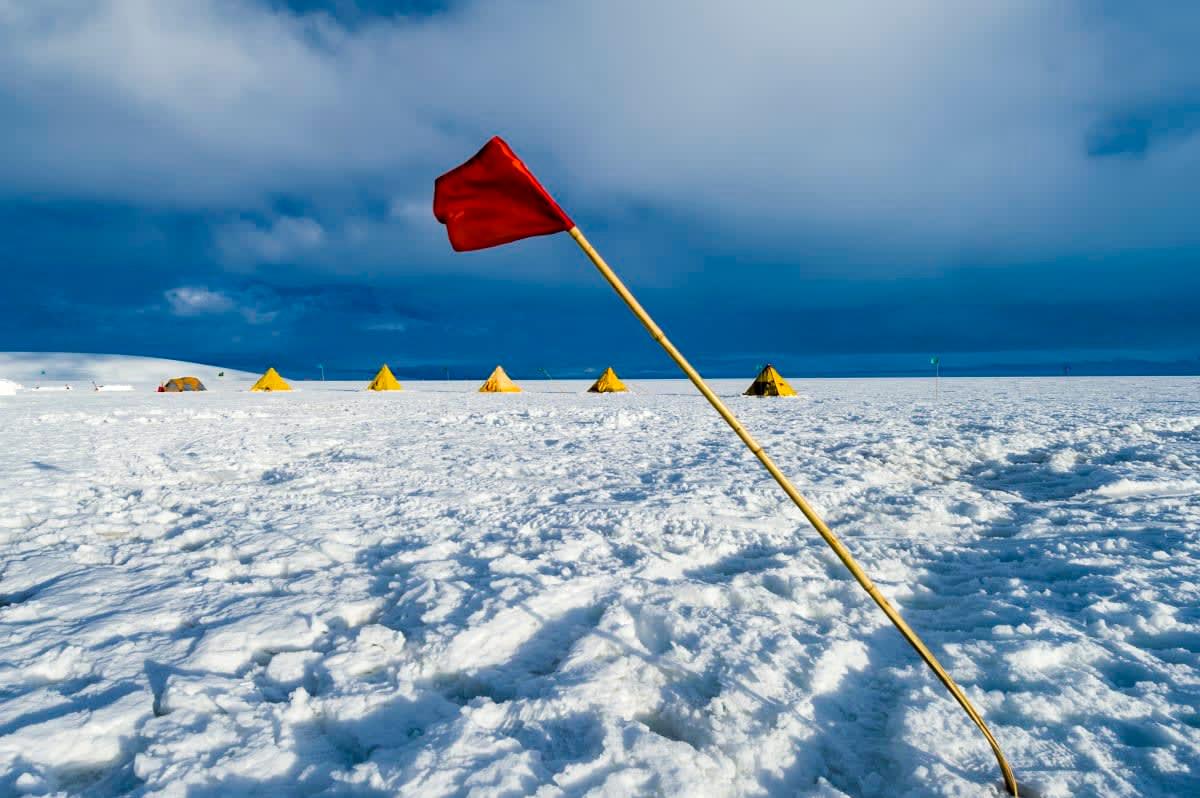
Windless Bight, Ross Ice Shelf, Ross Island, Antarctica.
First detected in 1978, the ocean remains one of the least examined entities in the world, due to various factors, according to The Conversation. Researchers knew the connection between this vast cavity filled with seawater, the Ross Ice shelf, and the ice sheet is crucial for the world. Antarctica’s ice sheet is a thick mass of land-based ice, holding massive amounts of water, while structures like the Ross Ice Shelf act like a dam, stabilizing the flow of meltwater into the ocean. If warmer waters enter this cavity, it may accelerate the melting of the ice sheet and lead to an overflowing of meltwater into the ocean, ultimately raising the global sea levels.
Researchers began their examinations in 2016 and ended their exercise in 2022. To fulfill the purpose, the team suspended several instruments from the underside of the ice. These instruments provided satellite readings on salinity, temperature, and currents. They were surprised by the longevity of the operation, as they did not expect the instruments to last for more than two years. Ultimately, they ended up with readings of more than four years.
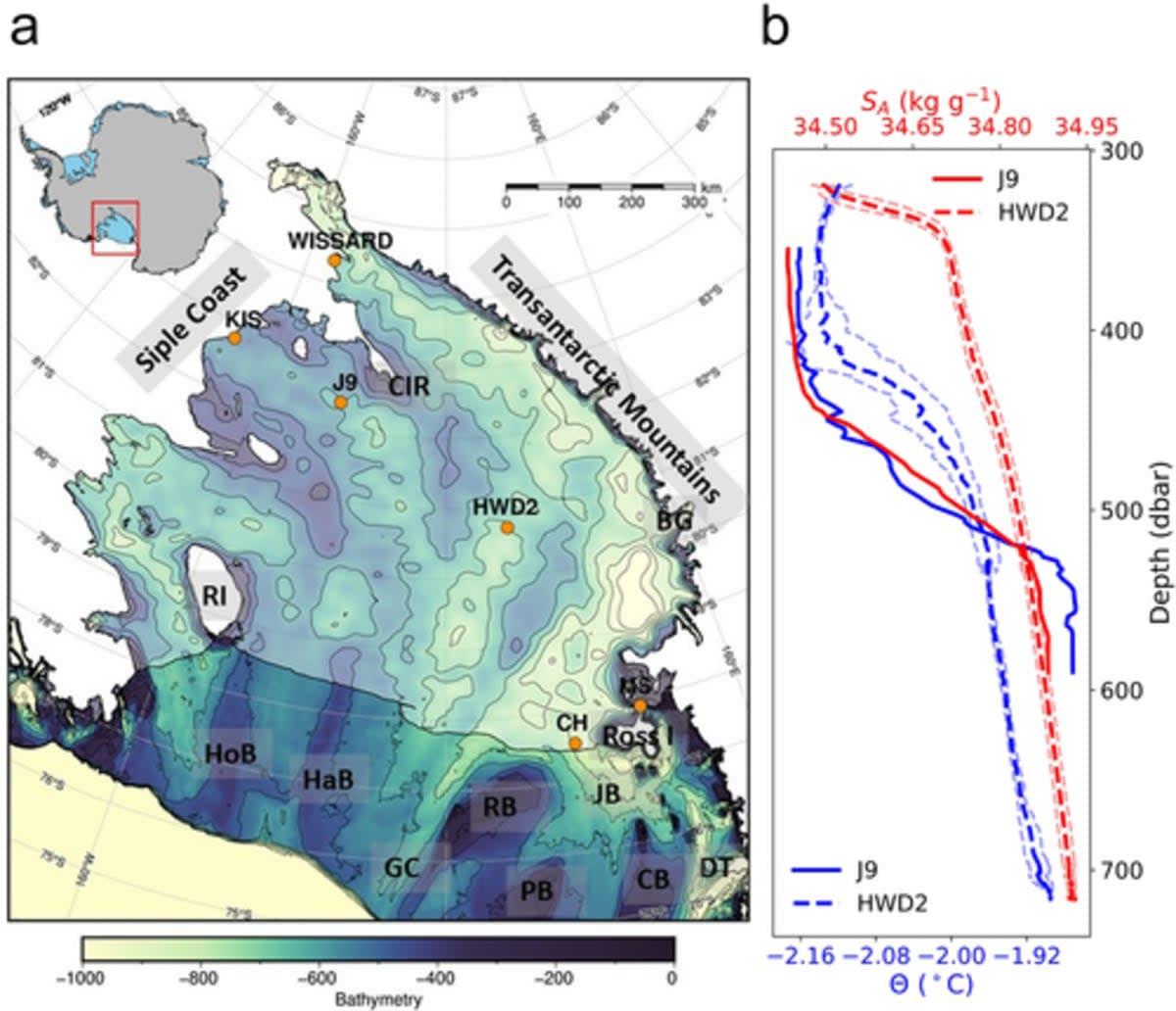
(a) A seabed map of the RIS cavity and the nearby open ocean using the Bedmap-2 data set, (b) Absolute Salinity and Conservative Temperature profiles from J9
The readings reveal that features of the seawater in the ocean alter throughout the year. The variation in salinity and temperature is subtle, but in the absence of cold air and winds below the ice shelf, even the smallest of changes could lead to massive consequences. The data also suggests that waters with distinct properties are layered within the cavity. These layers act as a barrier, preventing deeper, warmer waters from interacting with the ice shelf’s underside. Researchers also detected similarities between the variation in this massive ocean and the ones noted in the Ross Sea Polynya. It suggests a connection between the cavity and Ross Sea Polynya, which, with the ongoing transformation of Antarctic sea ice, may have more implications.
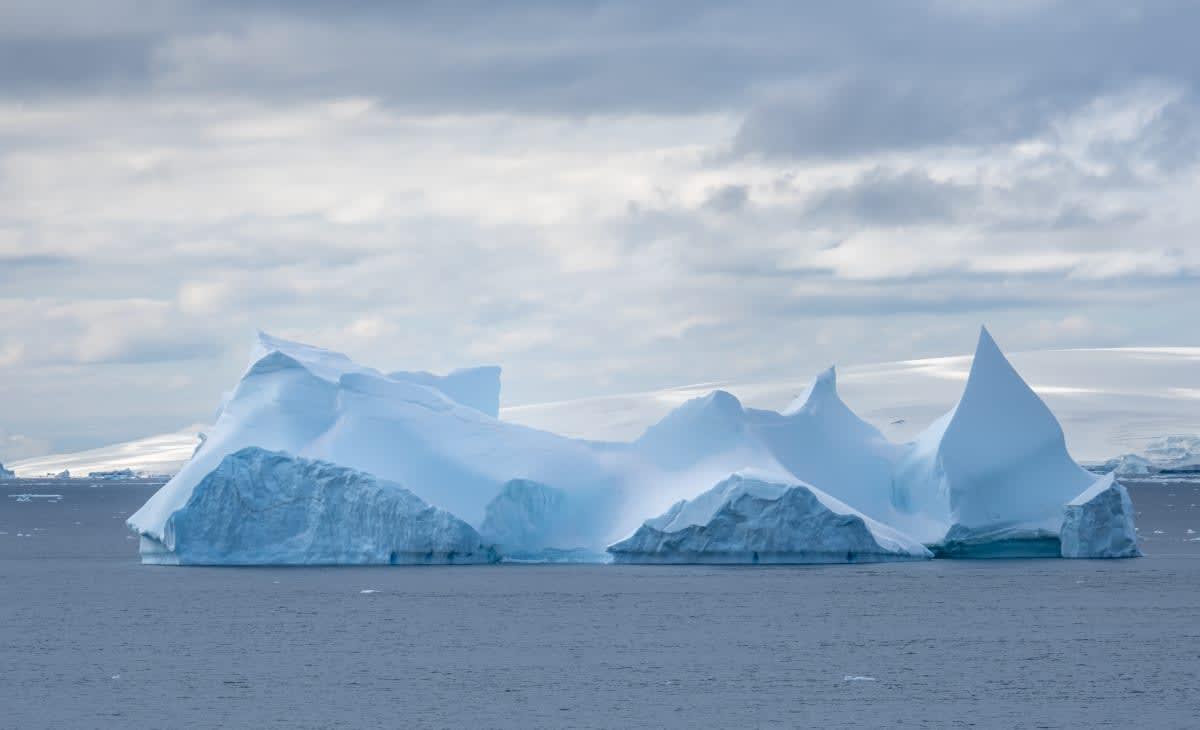
Navigating among enormous icebergs, including the world's largest recorded B-15, calved from the Ross Ice Shelf of Antarctica, - stock photo
The analysis also explores the relationship between sea ice and the cavity. The sea ice gathers around the edges of the ice shelf, which creates cold and salty water that gains a passage to the ocean. This dense water has the capability of melting any ice it encounters during its passage. Not much is known about these currents, but studies aim to change that. These currents alter the heat balance noted in the ice-shelf cavities, which will eventually speed up the sea level rise.
Researchers expect that the ongoing transformation in sea ice will not only impact the ocean under the Ross Ice Shelf but also the entirety of southern weather systems and Southern Ocean ecosystems. The coastal communities will be deeply affected by the sea level rise triggered by the ocean and other factors. Fisheries, which are a pivotal resource for them is associated closely with the sea-ice cover, and also have a say in ocean temperatures and meltwater.