
In One of Europe’s Brightest Countries, a National Park Is Choosing Darkness to Protect Wildlife
Published Feb. 13 2026, 9:41 a.m. ET

A nighttime view of Western Europe is captured by crew members aboard the International Space Station. Belgium and the Netherlands occupy the middle-right of the frame.
"The normal should be darkness. It’s night-time!” Nicolas Goethals sternly believes that residents of Belgium should abide by this directive. Goethals, who manages the “dark network” of the Entre-Sambre-et-Meuse National Park, believes it is not right that lights remain on all night. He proclaims that if people wish to walk safely on village roads, they should use reflective vests, torches, or flashlights instead of relying on streetlights. To proclaim this in a country that is one of the brightest at night sounds a bit uncanny. This is actually a kind-hearted and conscious project he and his fellows have initiated to “restore the glow of the night” and protect nocturnal animals from extreme light pollution, according to reports by The Guardian and Pragmatika.
Europe has a dark reputation for being one of the top countries contributing to light pollution. Motorways dazzle with lighted poles, bridges glitter with crescents of glimmering bulbs, cathedrals and Gothic buildings loom as giants of colored dancing lights, and wet cobblestone streets awaken from their sleep under flashy street lamps; the entire cityscape is overexcited with lights. From space, the city resembles a big Christmas ornament embellished with shimmery material.
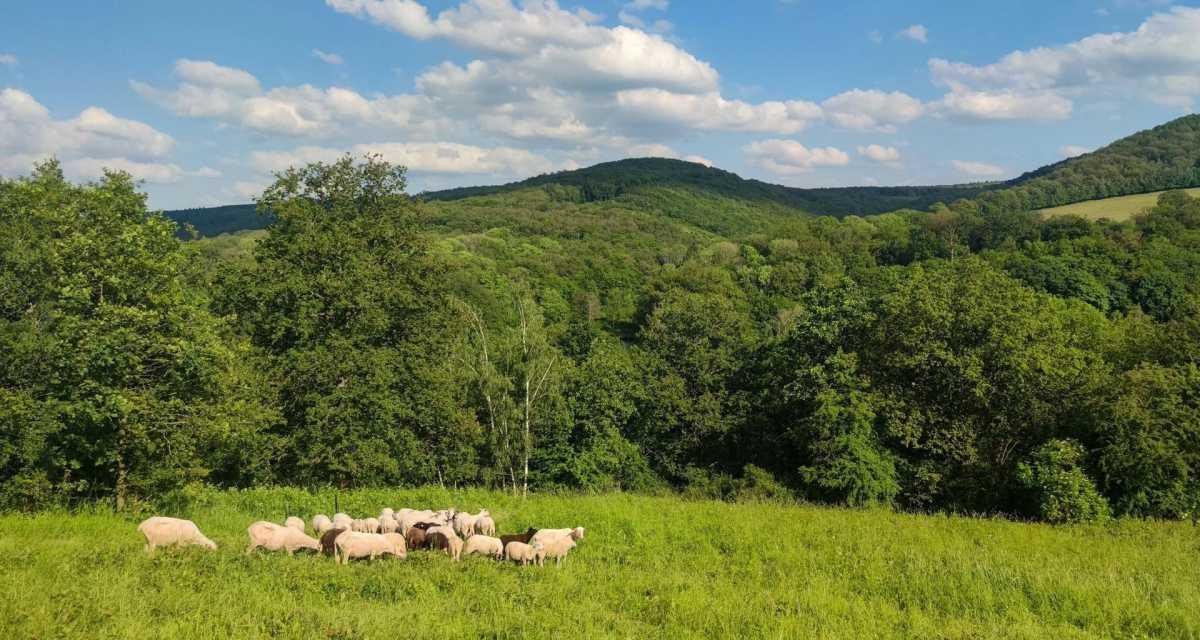
Entre-Sambre-et-Meuse National Park
All this light indeed lends a festive vibe to the country, unlike anywhere else, but on the other hand, it dims down nature’s own light show. Residents here seldom witness the Milky Way, the starry night skies, or the auroras; all that celestial sparkle comes and goes, and no one is available to see it. The park, therefore, has chartered a vision of developing into a “1,000 stars” national park that would offer an uninterrupted skyglow to its visitors. Goethals is leading a €308,000 ($365,193) project that would remove pointless street lanterns in Wallonia this year. By August, grid operators will have dismantled these lights. The idea originated in 2021 when one of the Walloon state officers estimated that about 6% of the 8,000 lanterns in the park were located more than 164 feet away from the nearest buildings, an area where no one walks.
It’s not just the uselessness of the lanterns or restoration of the night skies, but also an aware attempt to protect the various animal and plant species that are negatively affected by artificial lighting. Horseshoe bats, for example, are threatened by light pollution, and so are various birds, reptiles, and fish. Light pollution hinders their movement, often disorienting them to the point of exhaustion. Many become so exhausted that they fall and die. They are pulled off course and become an easy catch for predators prowling around. An unnecessary night light disrupts their mating activities, also suppressing their cycles.
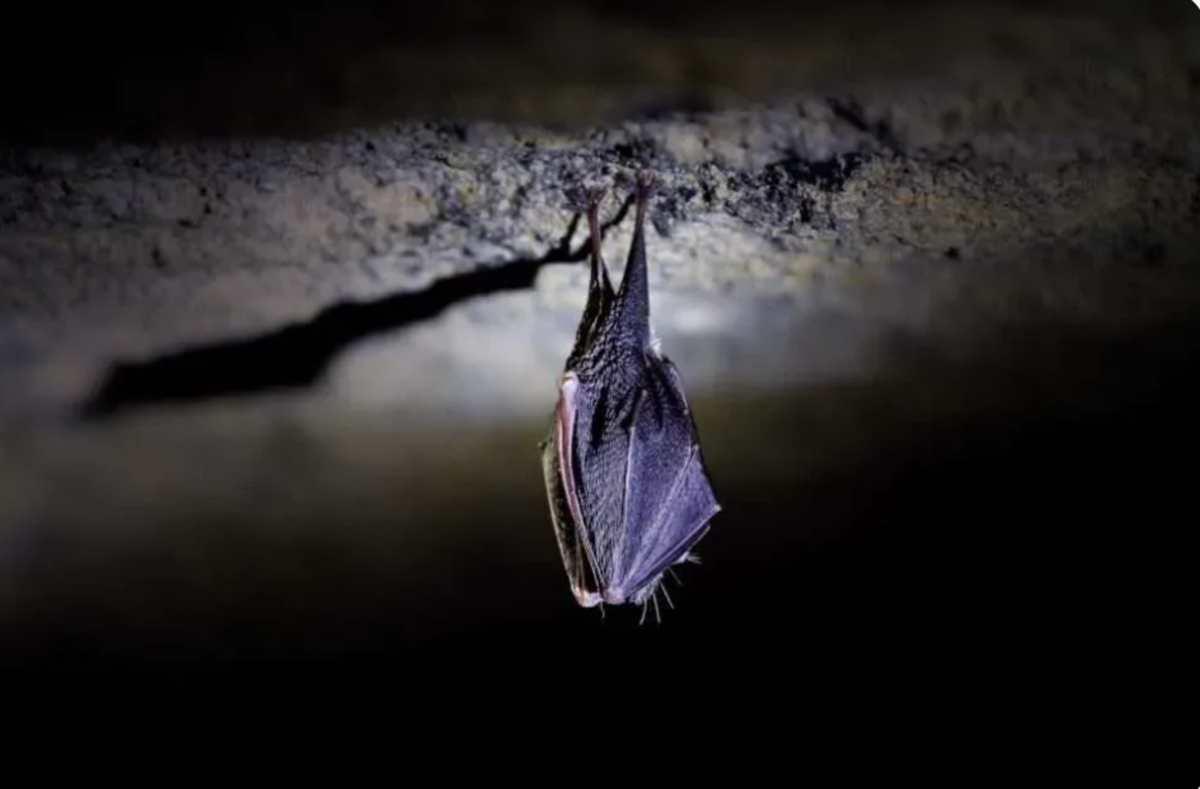
Greater horseshoe bat is just one of the nocturnal species in Belgium threatened by light pollution
The successful implementation of the project won’t come without its own suite of challenges. It’s an indisputable conflict between humans’ need for light and nature’s clockwork of darkness. “We can’t tell an elderly woman that we want to put bats before her safety,” said Goethals. As a result, the project isn’t appealing to many of the residents. The 77-year-old André Detournay, for instance. Detournay walks down the wooded roads outside Mazee village, south of Belgium, with his dog. He feels safe and protected from thieves just because lights are there. “Having lights here is logical,” he said to The Guardian.
Another resident who is not too happy with this project is Jacques Monty. Monty has been working for the Viroinval municipality for the last 35 years. His job has always been to “maintain lighting.” As he climbs the pole in a cherry picker to detangle the electric wires and metal and pluck out a street light, he feels skeptical. Nearby, a limestone cave is a bat hotspot, and although he understands that this effort is good for these bats, he believes that humans shouldn’t have to compromise on their safety because of that. Meanwhile, Detournay rebels that he won’t support this project until he gets the evidence that dismantling the lights is actually helping with reproduction and biodiversity.