
Half of America’s Drinking Water Has Forever Chemicals in It. EPA Data Pinpoints Regions Affected
Published Feb. 25 2026, 2:39 a.m. ET

A USGS scientist wearing black gloves is collecting a sample of tap water from the kitchen sink using small plastic vials to test for PFAS.
During World War II, scientists came across a dilemma. But solving it inadvertently unleashed a malignant toxin into the world that is currently threatening the very lives of humans. While designing atomic bombs, they needed a substance that could withstand the corrosive uranium hexafluoride in piping, resist liquid and heat, and repel oils. They started using a type of chemical called "PFAS." And today, the colossal sphere of planet Earth is powerlessly suffocating in the toxic fumes of these chemicals. A stubborn carbon-fluoride bond in their chemical structure makes them insanely impossible to break down, as a result of which they seep anywhere and everywhere, leaving the person, the air, or the water strangled with disease, per SA.
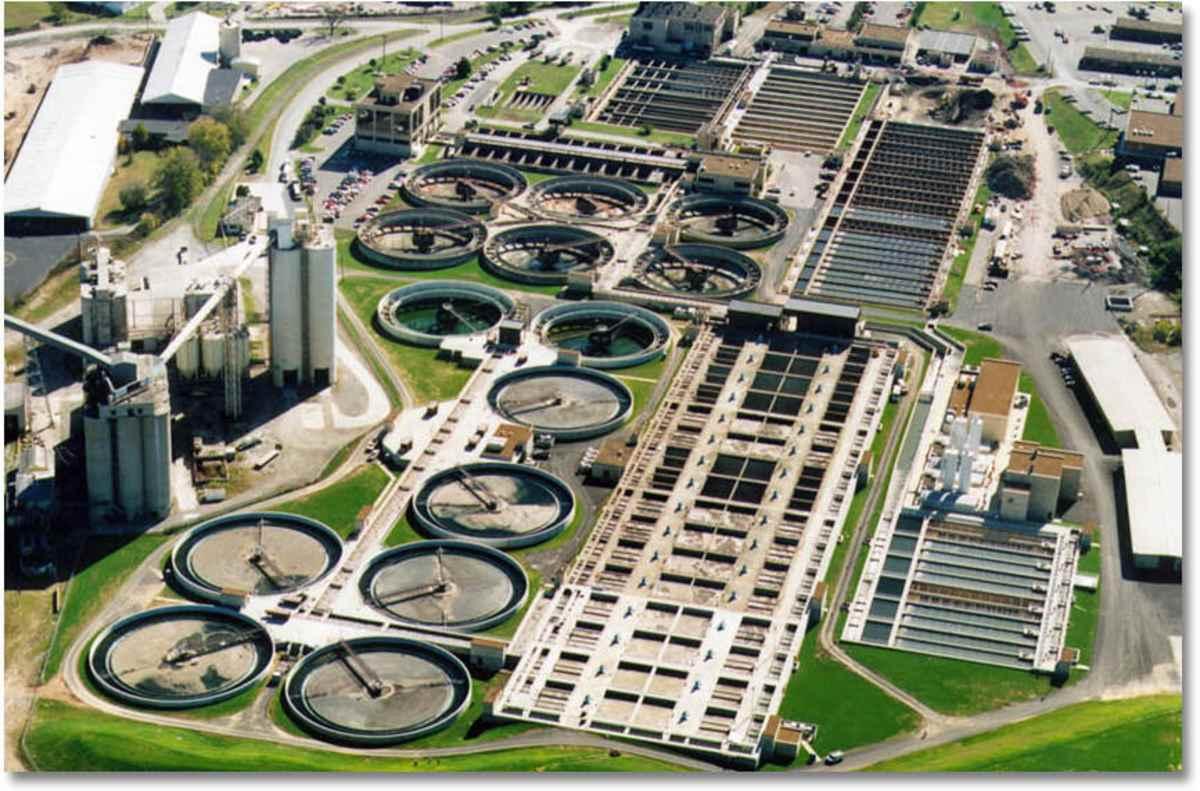
Central Wastewater Treatment Plant in Nashville
In conversation with PBS, toxicologist James Dewitt reflected that the chemical has more than 14,000 varieties, and each variety interacts with different parts of the human body, triggering different ailments. When dumped in the environment, they last so long that they have been nicknamed “forever chemicals.” Recently, the EPA rolled out an updated report of PFAS contamination in drinking water. The statistics shared in the report have left organizations unsettled with a mounting urgency to do something.
Nothing lasts forever. But when observing “forever chemicals,” it seems they do. Not only do they last forever, but they also seem omnipresent. Take clothing or cookware, food wrappers, or cosmetics; there is hardly anything today that remains untainted by this deadly chemical cocktail, sometimes called “GenX chemicals." For generations, PFAS chemicals slipped off of every federal environmental law like a fried egg off a Teflon pan, as the EPA describes it. Clean Cape Fear’s co-founder, Emily Donovan, laments that she raised her children on this water and watched loved ones suffer.
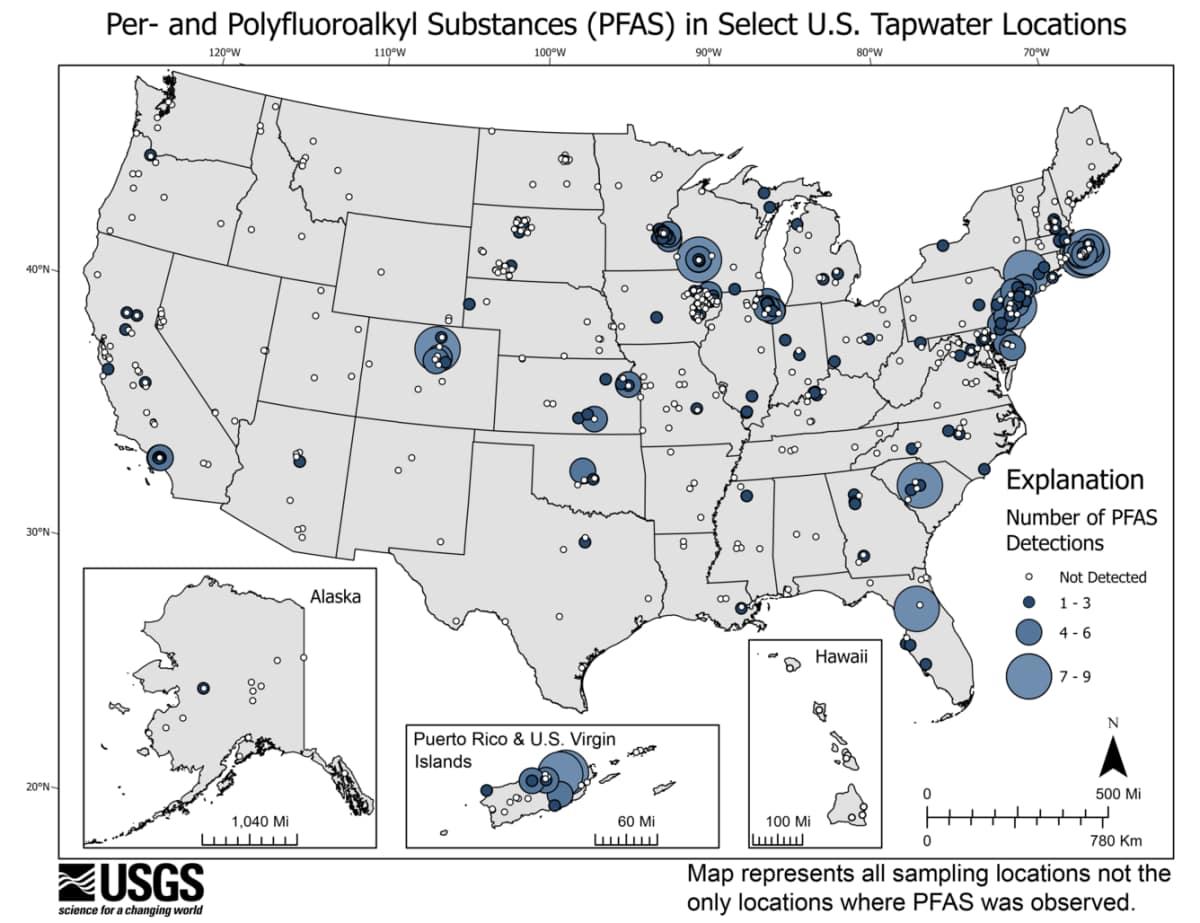
This USGS map shows the number of PFAS detected in tap water samples from select sites across the nation
To call upon environmental justice, organizations have been tirelessly focused on initiatives targeted at diminishing PFAS’s deadly shadow from the world. In 2021, EPA administrator Michael Regan announced a PFAS Strategic Roadmap that involved efforts in countrywide monitoring of PFAS, regulating drinking water standards, and holding polluters accountable. In 2023, the EPA released an annual report on PFAS progress, and the USGS surveyed water samples collected from people’s kitchen sinks. They estimated that at least one type of PFAS could be present in nearly half of the tap water in the US.
The latest record published by the EPA spells even more trouble. This record was compiled from the analysis of water samples collected between 2023 and 2025. Scientists targeted 30 types of PFAS, suspecting their traces to be present in the drinking water. Over 9,000 utilities submitted their samples. Analysis suggested that at least 151 million people, nearly half of America’s population, unknowingly sip this lethal chemical soup every time they guzzle down a glass of water. The urban areas, especially.
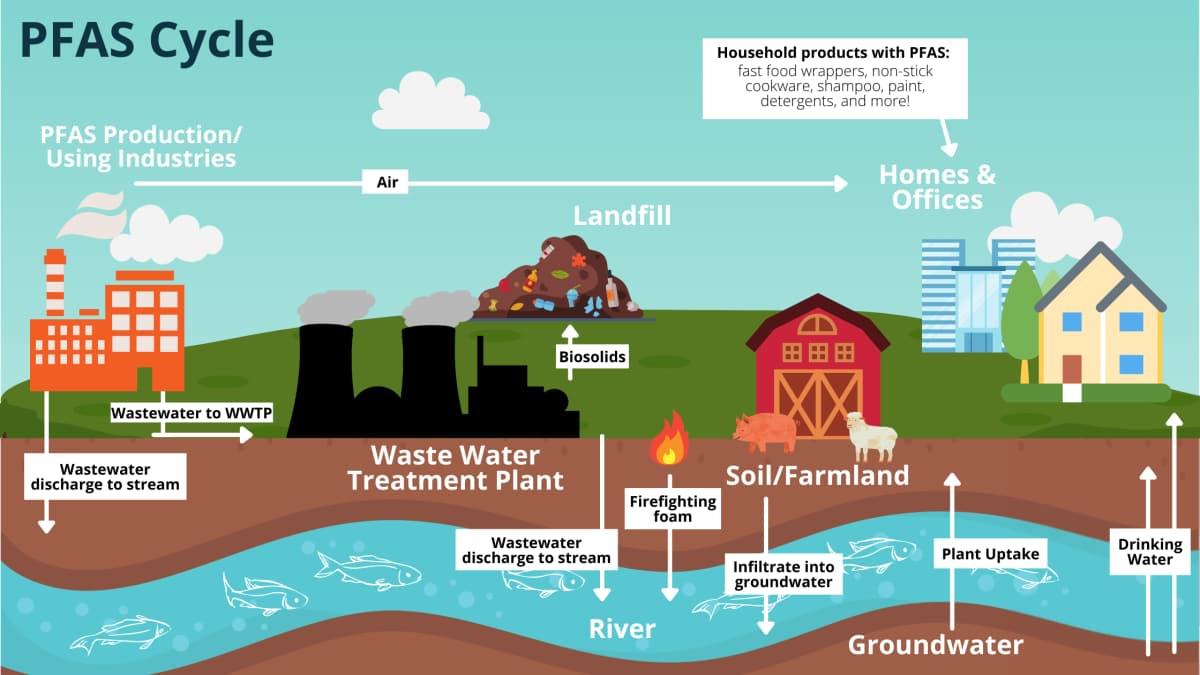
The graphic demonstrates the cycle of PFAS, or forever chemicals, as they seep into water treatment plants
The greatest contamination was discovered in water systems across Columbia, South Carolina, and Huntington Beach, California, reported to be 7.6 ppt and 5.5 ppt, respectively, in contrast to the EPA standard of 4 ppt. Another analysis by USA TODAY revealed high-contamination "hotspots" in PFAS level of a maddening 53 ppt, more than 13 times the EPA’s limit.
“Drinking water contaminated with PFAS,” Regan reflected, “has plagued communities across the country for too long. That’s why President Biden has made tackling PFAS a top priority.” Meanwhile, the EPA has created a website that urges residents to contact their local water service provider if they suspect contamination. The agency recommends filtration pitchers or systems that use charcoal, reverse osmosis, or ion exchange resins. Dewitt advocates for carbon filters.
And although the road ahead to taming this chemical culprit remains perilous, persistent effort in the right direction can make the impossible possible. “We will keep fighting until all exposures to PFAS end,” asserted Donovan.