
Geologists Discover Giant Mysterious Structure Deep Beneath Bermuda
Published Dec. 15 2025, 7:58 a.m. ET

Glistening turquoise waters of Bermuda.
In a new study published in Geophysical Research Letters, researchers documented a fresh mystery they have come upon while exploring Bermuda, from its glittering blue waters down to the shadowy depths. The mystery relates to Bermuda’s mighty oceanic swell that refuses to subside despite 31 million years of volcanic inactivity. The culprit, they found, was a stubborn hunk of rock that is wedged underneath the ocean floor.
Forget the Bermuda Triangle, this is the new North Atlantic mystery. Study’s lead author William Frazer, a seismologist at Carnegie Science in Washington, D.C., detected this unusual structure while monitoring seismic waves. After digging out more information about the strange formations, researchers couldn’t believe what they had discovered. The chunk of rock was as large as much as 12.4 miles, a level of thickness never observed before.
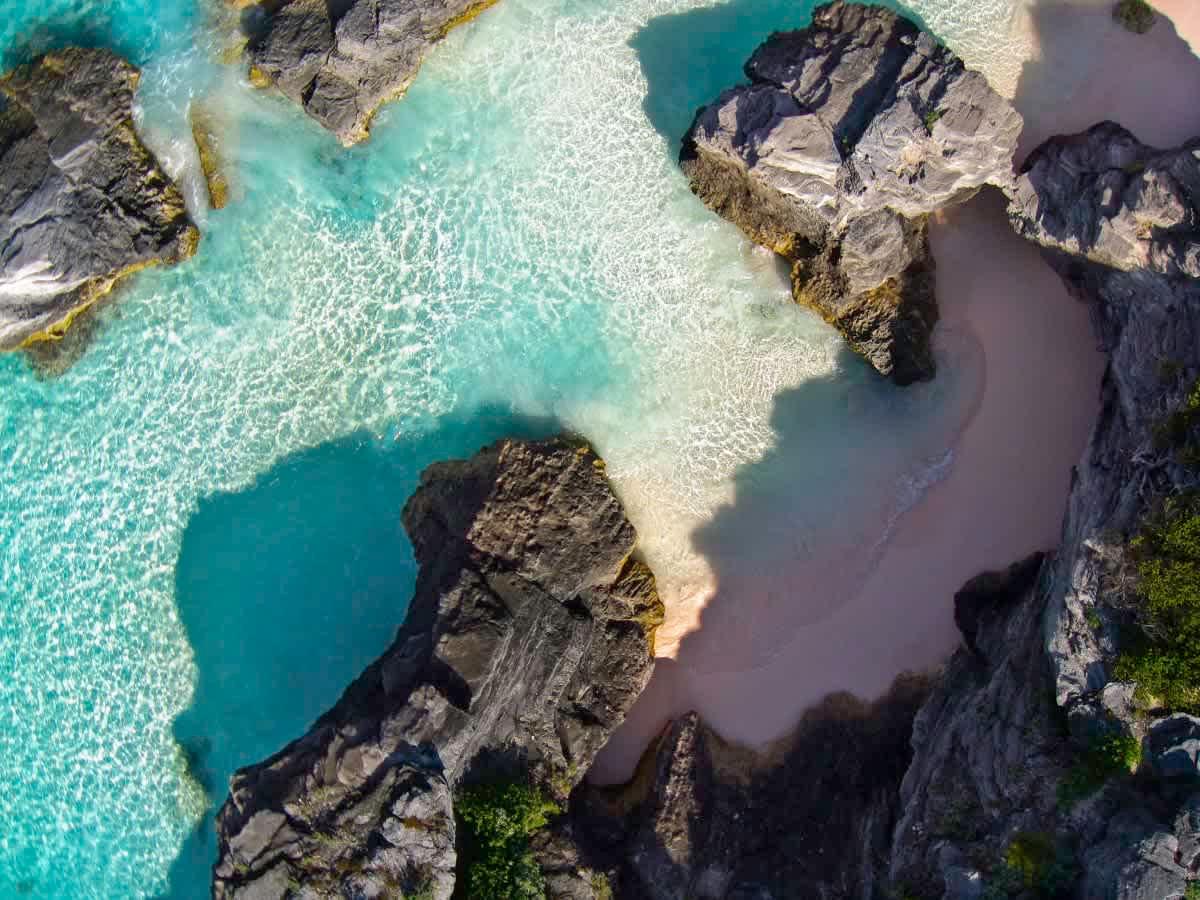
Aerial view of Bermuda.
"Typically, you have the bottom of the oceanic crust, and then it would be expected to be the mantle. But in Bermuda, there is this other layer that is emplaced beneath the crust, within the tectonic plate that Bermuda sits on," reflected Frazer, according to Live Science. The dilemma comes from the fact that the island sits on an oceanic swell where ocean crust has persistently remained higher than its surroundings. Unlike Hawaii, where blazing magma causes the land to rise and then cool off, the rising patch of land hasn’t subsided in this area, despite that there has been no volcanic activity in the past millions of years. It is just frozen in place, creating something like a raft that causes the ocean floor to lift up by about 1,640 feet.
Another geologist at Smith College in Massachusetts, who was not involved in the study, Sarah Mazza, shared a potential explanation with Live Science. Mazza said that there is likely some material still left over from the days of active volcanism under Bermuda that is helping it hold up this area in the Atlantic Ocean. Mazza, who has conducted tons of research on volcanism, suggested that the lava flow here lacks mineral silica, which indicates that the strange rock is either a carbon-laced intrusion or remnant of frozen magma, likely from the days when the supercontinent Pangea experienced breakup.
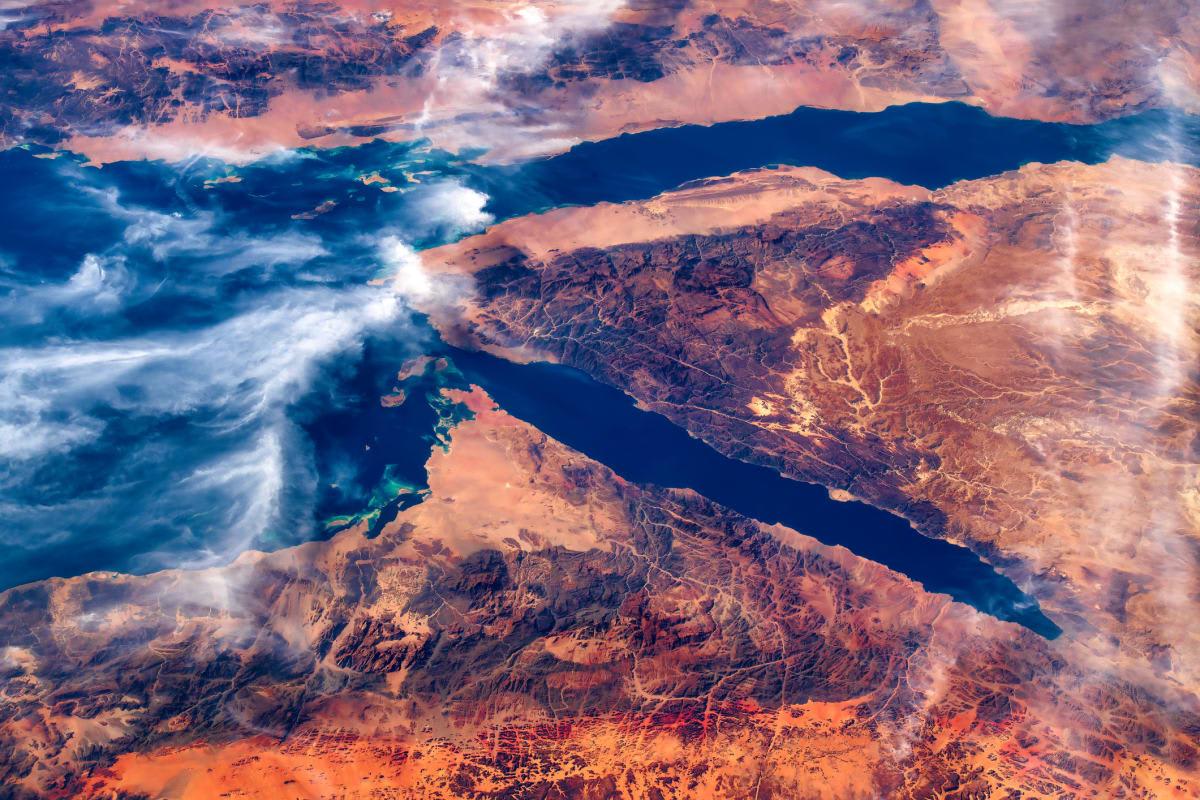
Depiction of a sea and its shorelines flanked by rocky landmasses
Still and all, the puzzle pieces of this oceanic swell mystery remain scattered in bits and pieces. Researchers continue to piece together the clues and unravel the whole story. “The fact that we are in an area that was previously the heart of the last supercontinent is, I think, part of the story of why this is unique,” said Mazza. For now, Frazer is trying to study other islands across the globe to see if there are any layers like the one found under Bermuda. If not, the archipelago must be a rarity. He said, "Understanding a place like Bermuda, which is an extreme location, is important to understand places that are less extreme," adding, "and gives us a sense of what are the more normal processes that happen on Earth and what are the more extreme processes that happen."