
Gardeners Urged To Spray ‘Aspirin Water’ on Their Plants This Spring For a Surprising Reason
Published April 11 2025, 10:46 a.m. ET

(L) Aspirin tablets unopened. (R) Woman watering a plant in her garden. (Representative Cover Image Source: Pexels | (L) Etatics Inc, (R) Matteo Badini)
“An aspirin a day keeps the doctor away” is a common saying in the medical community. The reason, according to the NHS, is its “non-steroidal and anti-inflammatory” property that suppresses the production of hormones responsible for sensations of pain in the body. Just like Harry Potter used his spell-casting magic wand to mend wounds, or those healing dittanies that were used to cure werewolves, aspirin acts like a magic potion that wards off pains like headaches, toothaches and period pain. But little known is the fact that this white crystalline chemical sitting in your medicine cabinet is equally potent for the protection of your plants.

A pack of white-colored tablets
When sprayed on a plant, “aspirin water” acts like a sheathing agent that fortifies the plant’s defense mechanism by mirroring the hormones it releases in times of stress. Writing for The Guardian, botany geek James Wong shared how watering the plants with aspirin water can guard them against infections, increase the production of growth hormones, and improve their overall vigor, hence keeping the plant doctor away. “Drop in half a 300mg soluble aspirin tablet, give the mixture a good stir, let it cool to room temperature, and you are done. When it comes to planting time, soak your seeds and cuttings in this solution for an hour or two beforehand. This will potentially give you higher germination rates, lower risks of infections, and improve the plants’ overall vigour,” Wong explained.

Woman watering a houseplant
Aspirin is a natural substance found in willow bark. Ancient Egyptian healers used willow bark to treat conditions like joint pains and fevers, per The Pharmaceutical Journal. Acetylsalicylic acid, the active ingredient in aspirin, is derived from salicylic acid, which is found in the natural makeup of willow trees, according to GardeningKnowHow. When sprinkled on new plants, salicylic acid mimics the behavior of growth hormones in plants. As the aspirin water comes in contact with the plant body, the plant releases the same hormones it releases when under an insect attack. This empowers the defense mechanisms of the plant while improving its immunity, boosting its growth, and enhancing the hormone rooting power.
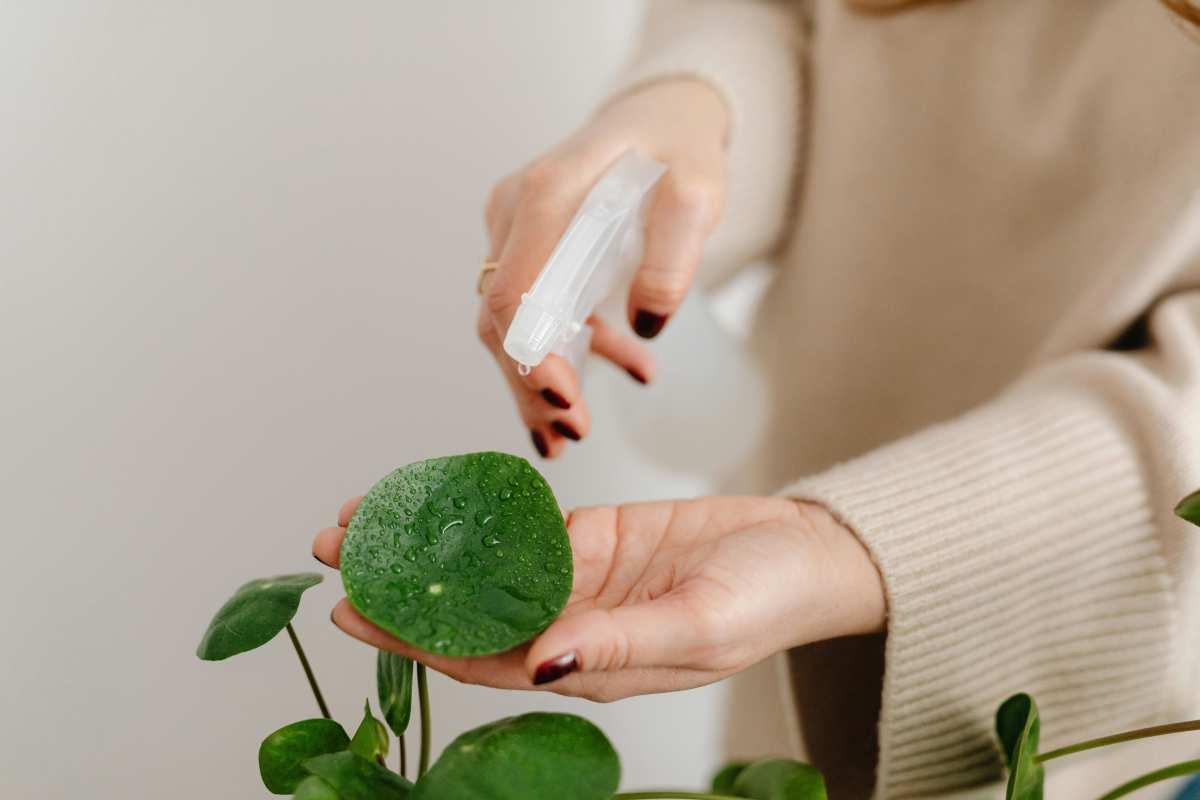
Woman spraying water in a houseplant
The outlet explains that the United States Department of Agriculture tested the effect of aspirin water on plants of the nightshade family and found that the salicylic acid produced enhanced the immune response of the plants. Plus, when gardeners at the University of Rhode Island soaked their vegetable garden in aspirin water, they found that the plants grew more quickly and were more fruitful than when watered without aspirin.
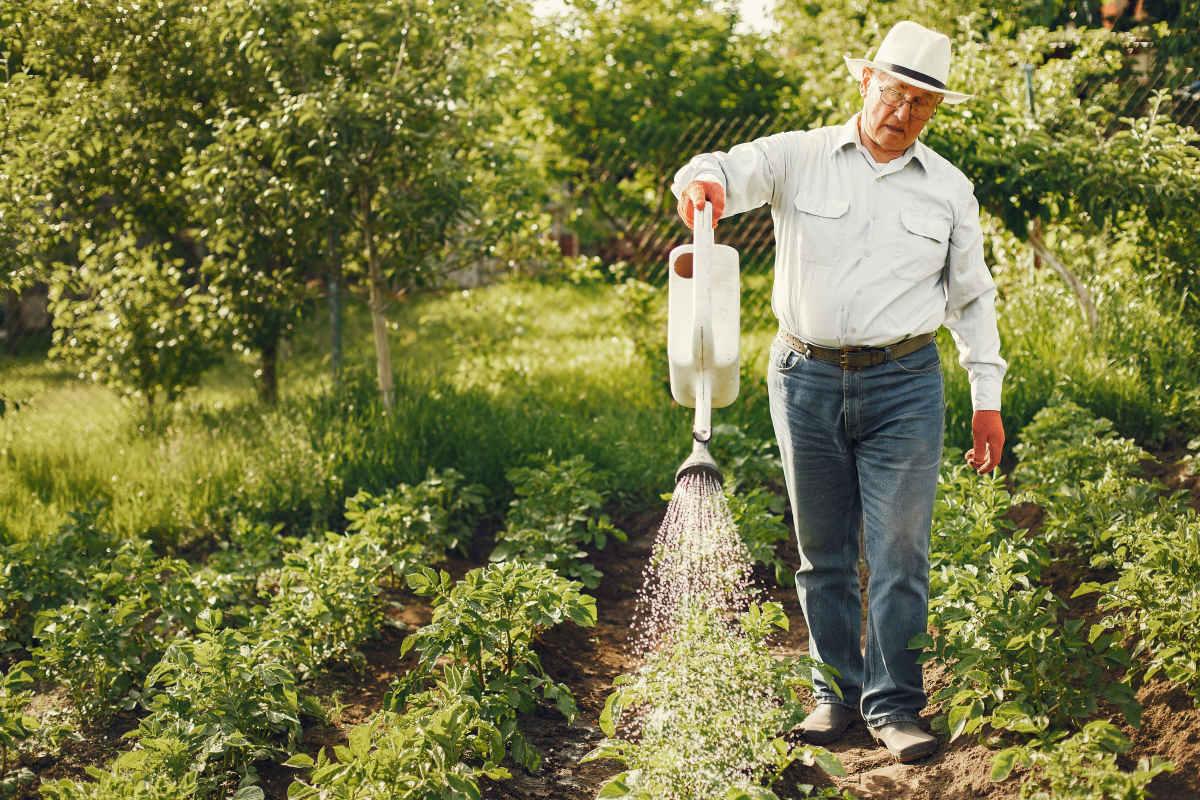
Man shoots water on plants in his garden
The best way to spray aspirin water on plants is to do it early on so no beneficial insects or bees are harmed by the chemical. “A period of time prior to that sun’s kiss is the best,” the website suggests. However, experts warn people to keep a keen eye on the plant to check whether the regime is working on it or not. Each plant is unique, and it is possible that the aspirin may not work on a specific plant or flower. But it surely works if you’re looking to get riper, bigger tomatoes, bulkier bushels of potatoes, denser clusters of peppers, or aubergines. And although the household medicine doesn’t do any literal magic, its chemistry is something that makes it a health tonic for your plant babies.