
Experts Find That Earth's Seasonal Cycles Are Shifting in Surprising and Uneven Ways
Published Dec. 22 2025, 6:31 a.m. ET

A woman wears headphones while relaxing in nature
Everything in nature is like gears in a clockwork that spin and churn together to determine the unique timing of birth, growth, evolution, and demise. The geometry of how Earth orbits the Sun, how winds flow above different landscapes, how water rushes to fill different watercourses, and the interaction of wave currents; everything is governed by this sophisticated nature’s clockwork. These days, however, scientists have been noticing an unusual pattern emerging in the planet’s seasonal cycles.
Like emotions and personalities, seasons across different landscapes are displaying unpredictable, abrupt variations, appearing, disappearing, and changing in bizarre patterns. In a study published in Nature, scientists investigated a list of natural features and their trending patterns to derive valuable information about this changing seasonal dance.

A woman walking on the ground with yellow-orange dry fall leaves during the autumn season in a park or forest. (Representative Image Source: Getty Images | Maksym Belchenko
In the 1970s movie The Eiger Sanction, some scenes showcase a mountain range in the Swiss Alps, generously blanketed with snow. Today, however, its infamous “White Spider” ice field is vanishing as the ice aprons retreat due to roaring heat. In areas earlier punctuated by snow caves, now there’s little or no snow. Imagine packing summer clothes for a nearby hill station only to reach there and realize that winter has already arrived. Interestingly, the entire planet’s seasonal tapestry is currently displaying this "falling out-of-sync" behavior, which scientists call seasonal asynchrony.
As part of this study, scientists at the University of California, Berkeley, utilized satellite images to estimate the amount of vegetation in a given area by calculating how much infrared light was bouncing off the planet’s surface. With this data, they compiled the “most comprehensive map to date of the seasonal timing of Earth's terrestrial ecosystems.” The map, they say, depicts where the seasonal patterns are out of sync and where asynchronies occur in biodiversity hotspots like tropical mountains. It is a "complex dance of rhythms," and scientists are just beginning to catch the beat, as lead author Drew Terasaki Hart shared with USA Today.
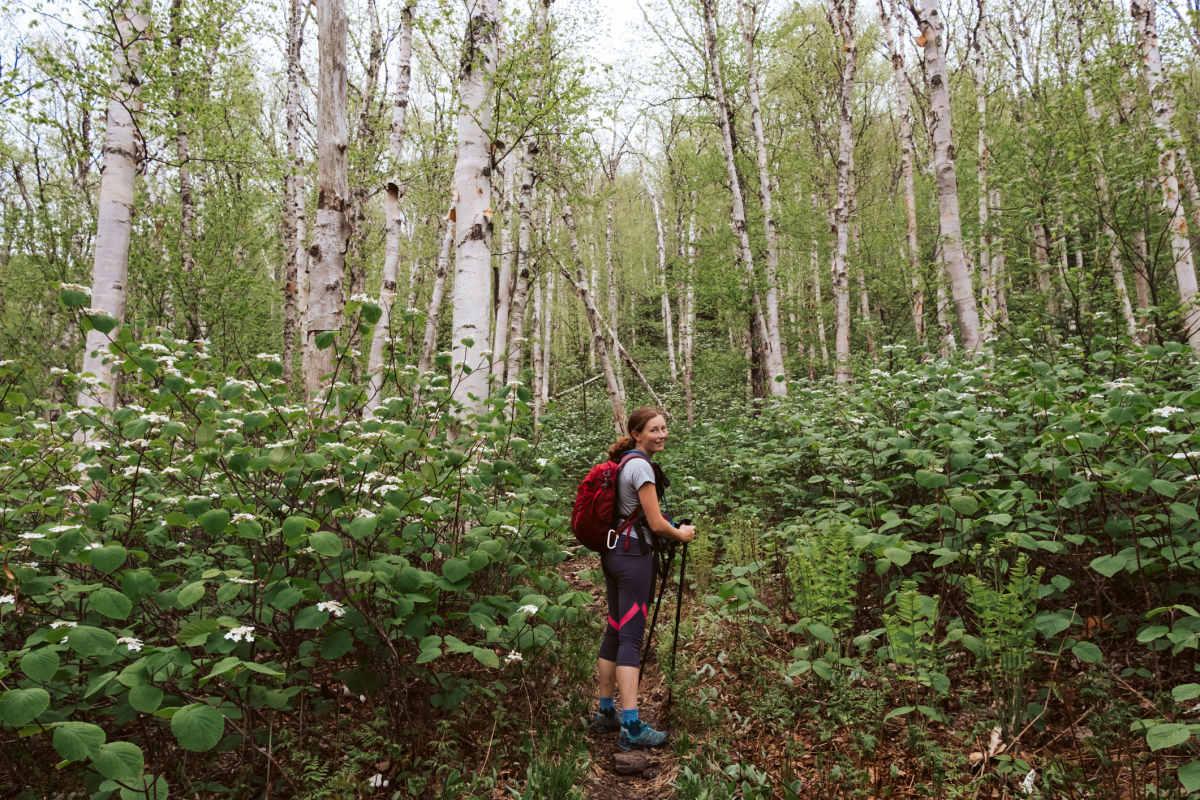
A woman stands between a lush copse of white birch trees in White Mountains
According to a news release by SciMex, Hart reflected that "Seasonality may often be thought of as a simple rhythm – winter, spring, summer, fall – but our work shows that nature's calendar is far more complex.” Calling out traditional climate and conservation models, he said, they make blanket assumptions about the seasons, failing to take into account the fullness of our planet’s great diversity. In areas like tropical and arid landscapes, where seasonal boundaries are not clearly defined, it becomes hard to decode the patterns. But the “deceptively simple approach” they employed in this study offers subtle but important information about seasonal dynamics.
One of the main seasonal contrasts they observed was the Mediterranean climate between the woodland and other non-forest areas, and across montane forests. Two cities in Arizona, Phoenix and Tucson, showed entirely different wavelengths in their annual climate rhythms despite being located just 99 miles apart from each other. Other landscape siblings and relatives displayed astonishing variations in things like forest growth cycles, snowfall timing, flowering bloom, and harvesting time of crops. In places like California, Chile, South Africa, southern Australia, and the Mediterranean, which have similar climates, seasons peak at different times.
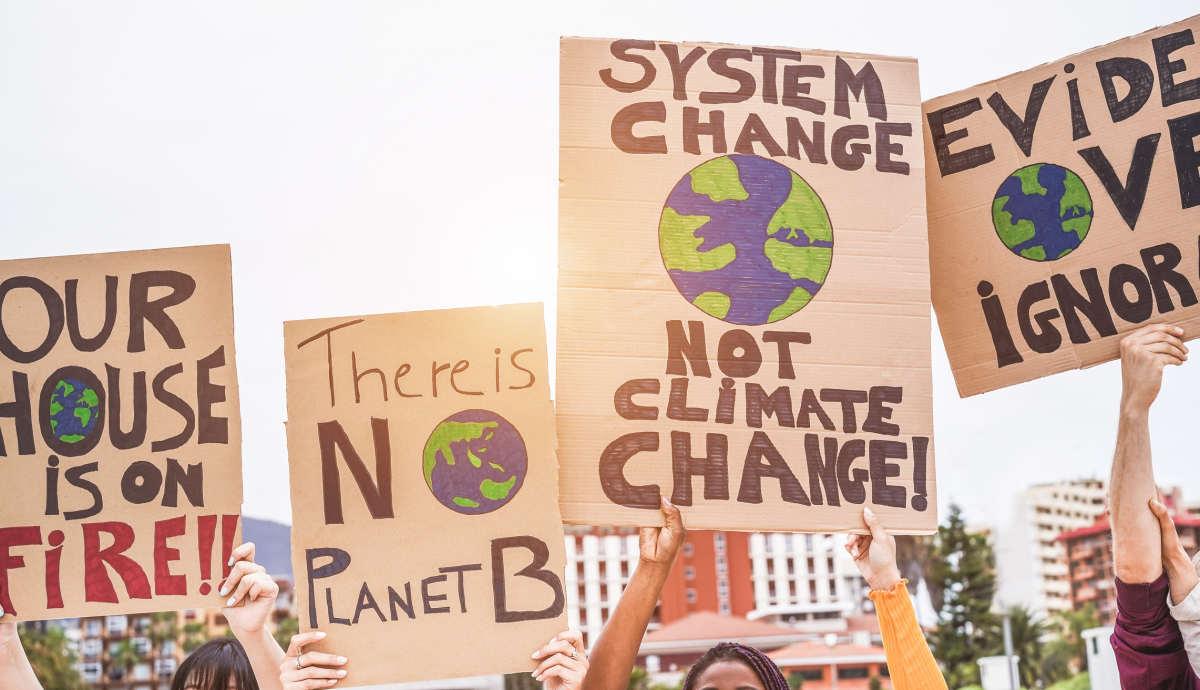
Group of demonstrators fight for climate change
But why is it even important? Scientists have noted that seasonal timing affects an entire array of environmental and natural rhythms, from animal migrations to feeding patterns, ecosystems' responses to climate change, rainfall, species reproduction, and snowfall. Hart believes that this map has unveiled an exciting path for the future and revealed a new perspective to explore natural sciences, including agricultural sciences and epidemiology.