
China’s 'Artificial Sun' Sets Fusion World Record that Scientists Previously Considered Impossible
Published Jan. 5 2026, 4:32 a.m. ET

Engineers in a nuclear fusion research facility
The world is going through an energy crisis. It needs lots of clean energy. While each day, the Sun rises in the sky and showers it with a bounty of energy, we have not yet mastered how to make full use of it to fulfill all of the humans’ needs. That’s why scientists are designing instruments that can mimic the processes of the Sun and the stars to create alternative sources of limitless, clean energy on Earth. It’s like traveling to the Sun and scooping out a piece of the hot fireball to bring home, and then making clones of this piece to generate as much energy as needed. It’s something scientists call “nuclear fusion.”
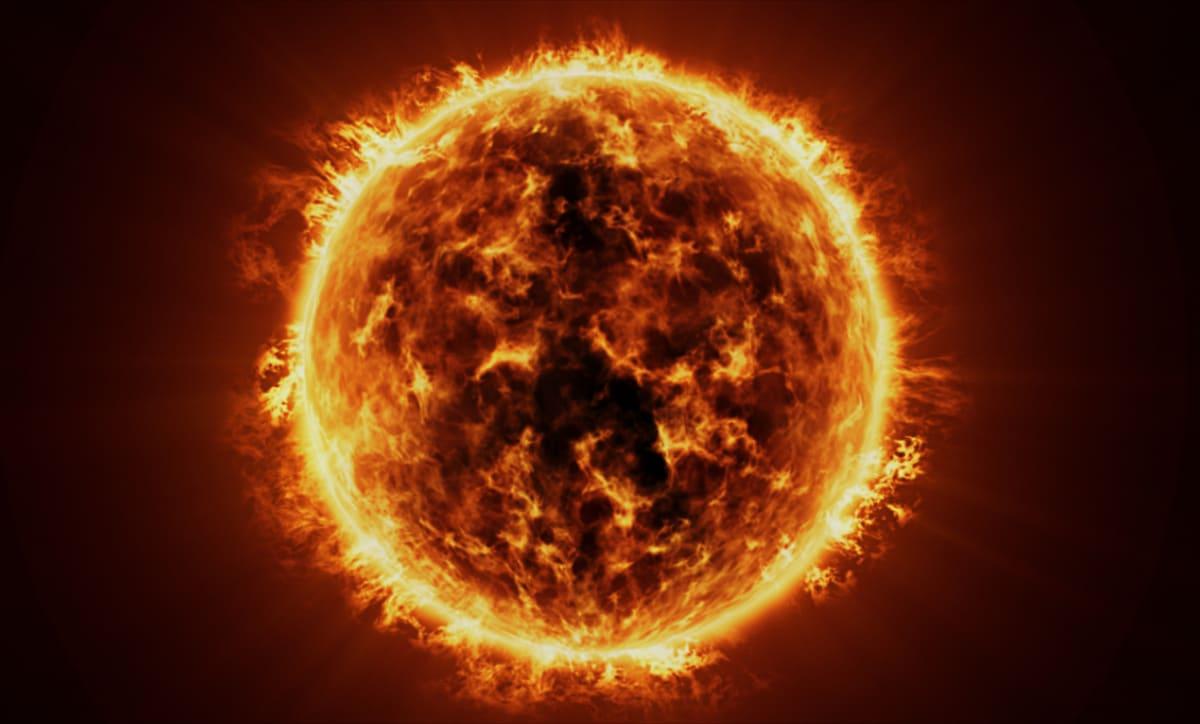
Flaring Sun depicting nuclear fusion reaction
Many countries across the globe have been working to design sophisticated fusion reactors, but China’s team has recently arrived at a breakthrough, as documented in a study published in Science. China’s scientists have attuned their reactor to such conditions that has set a world record of sustaining high-temperature plasma for 1,066 seconds at 100 million degrees Celsius.
The study was led by Professor Ping Zhu of Huazhong University of Science and Technology and Associate Professor Ning Yan of the Hefei Institutes of Physical Science at the Chinese Academy of Sciences. They achieved this breakthrough via their state-of-the-art reactor named Experimental Advanced Superconducting Tokamak (EAST). Research posed tough engineering challenges, including generating extremely high temperatures, stabilizing plasma over extended intervals, and managing precise controls to maintain desired energy outputs.
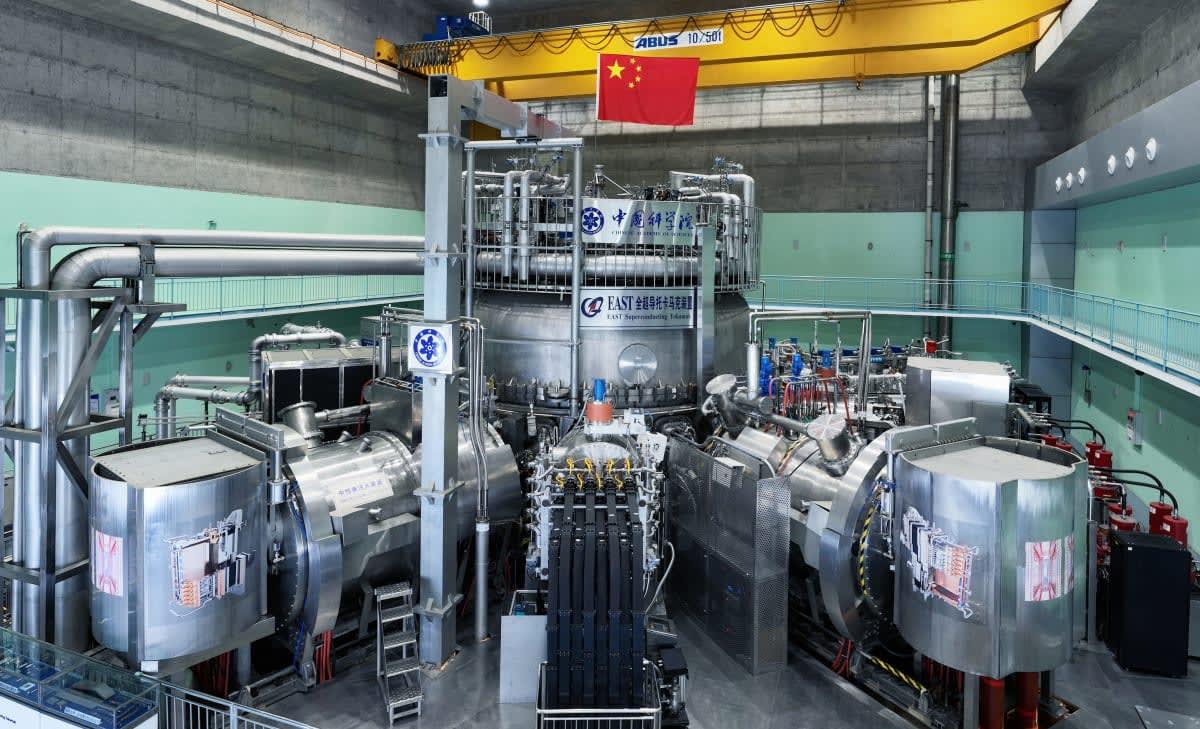
The Experimental Advanced Superconducting Tokamak (EAST) nuclear fusion reactor
The quirk is new, but the process is old and traditional. As the name suggests, the process “nuclear fusion” involves the fusion of two light atoms into a single heavy atom via the application of tremendous heat and pressure. It imitates the physics of the Sun and the stars, where atoms merge to generate large amounts of energy, which is transformed into electricity. The process initiates with hydrogen isotopes like deuterium and tritium getting stripped of their electrons, creating a hot soup of ionized electrons. The plasma is then heated and condensed in a doughnut-like shape. The heating continues until the plasma is bombarded with magnetic currents and heated until the hydrogen atoms break down and some of it transform into pure energy.
From previous experiments, scientists knew that tokamaks could be utilized for plasma confinement, but consistent energy production remained elusive. In this tokamak, however, they achieved a breakthrough by reaching a “ELM-free regime” in fusion plasma earlier thought to be impossible. The feat was made possible by controlling the interaction of plasma and the reactor’s walls. The goal was to maintain a stable plasma far beyond traditional limits. This experiment not only allowed a prolonged sustenance of heated plasma, but also eliminated one of the fusion energy’s most stubborn barriers.
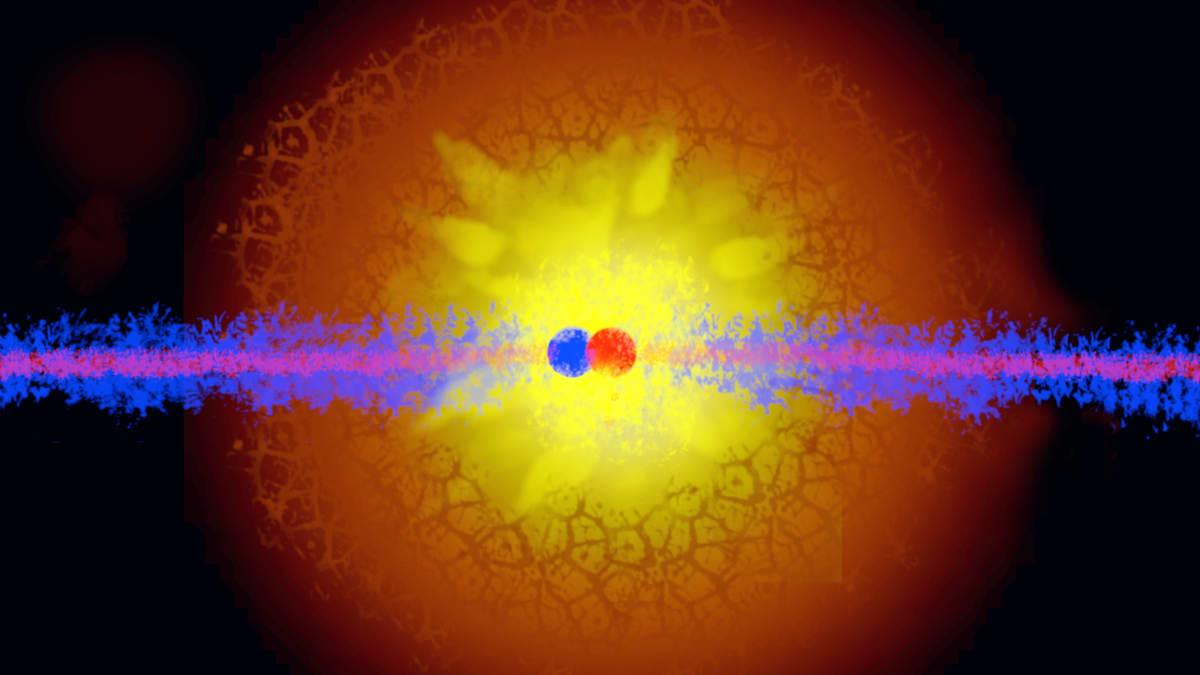
Depiction of nuclear fusion reaction
So-called China’s “artificial Sun,” EAST, was designed with the potential to be used as a limitless supplier of clean energy for Earth, according to the Xinhua News Agency. Live Science said that China’s triumph with EAST suggests researchers are getting closer to sustainably harnessing cosmic power on the planet. Otherwise, an experimental tokamak that generates more energy than it consumes has never been created.
While the role of the Sun above our heads is unparalleled, it isn’t impossible either that in the coming decades, Earth may be able to create its own “artificial Sun” strung together with the necklace of fusion reactors like the EAST. If this can be made possible, then some of the top-most global energy concerns could be marked off from the list, from rising poverty to fuel shortages and electricity production.