
California Biologists Spent Years Chasing an Endangered Fox. Now, They've Finally Tagged It
Published Feb. 12 2026, 4:37 a.m. ET

Officials announce the first capture of California's elusive red fox in the southern Sierra Nevada
Keep a distance; don’t come too close! If a Sierra Nevada red fox (Vulpes vulpes necator) carried a signboard, the board would probably read this message. Extremely elusive and cautious, this fox likes to keep a distance from humans, always wary of being trapped. It likes to be a little secretive too, which is why when scientists go on to find it, they have to traverse some of the remotest, rugged, and barren mountains, often munching on berries or clamping down bits from a deer carcass. And even then, it succeeds in slipping away from their hands.
For the last three years, biologists of the California Department of Fish and Wildlife (CDFW) had been trying vigorous and intensive trapping attempts to catch one of these foxes, but the evasive fox made the task stubbornly difficult for them. In January, however, they made a breakthrough by not just catching the carnivore but also attaching a GPS tracker to its body before releasing it. The event marks not only a success story for the biologists but also an inspiring beginning that might pave the way for protecting this rare fox population in the near future.
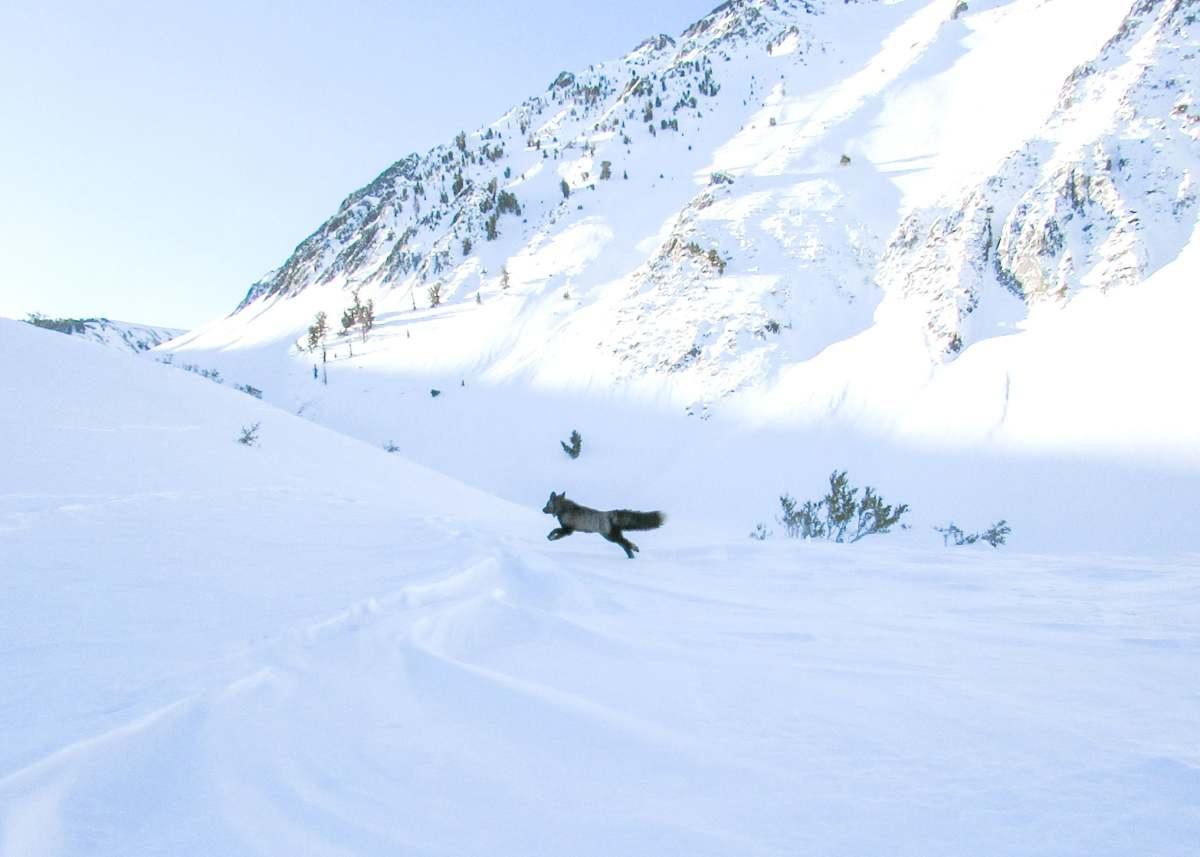
Sierra Nevada Red Fox in the Southern Sierra Nevada
Until a few years back, this red fox was thought to have disappeared forever. Then, in 2010, came a surprise. Researchers who had set up an automatic trail camera to track the activities of wildlife suddenly recorded the sighting of this rare fox roaming somewhere around Sonora Pass. Between 2014 and 2015, some scientists venturing on a backcountry trip in the northern part of Yosemite spotted it again. Ever since then, they have detected its movements as far south as Cottonwood Pass, west of Lone Pine.
At last, in January 2026, years of effort paid off when they strapped a collar on the fox near the Mammoth Lakes area. The photographs they shared show this canine predator gazing at the camera with its fierce, cat-like amber eyes. In a second photo, the predator is galloping away through a field of snow after being released.
In these mountainous terrains, there are fewer than 50 of these foxes remaining. The population is also listed under the Threatened Species of the California Endangered Species Act and has additional federal protection under the same law. This tagging attempt “marks the first time the Department has captured, fitted with a GPS-tracking collar, and released a Sierra Nevada red fox in the Sierra Nevada.” The tagging project was conducted by biologists from the CDFW Bishop Field Office in the Southern Sierra range.
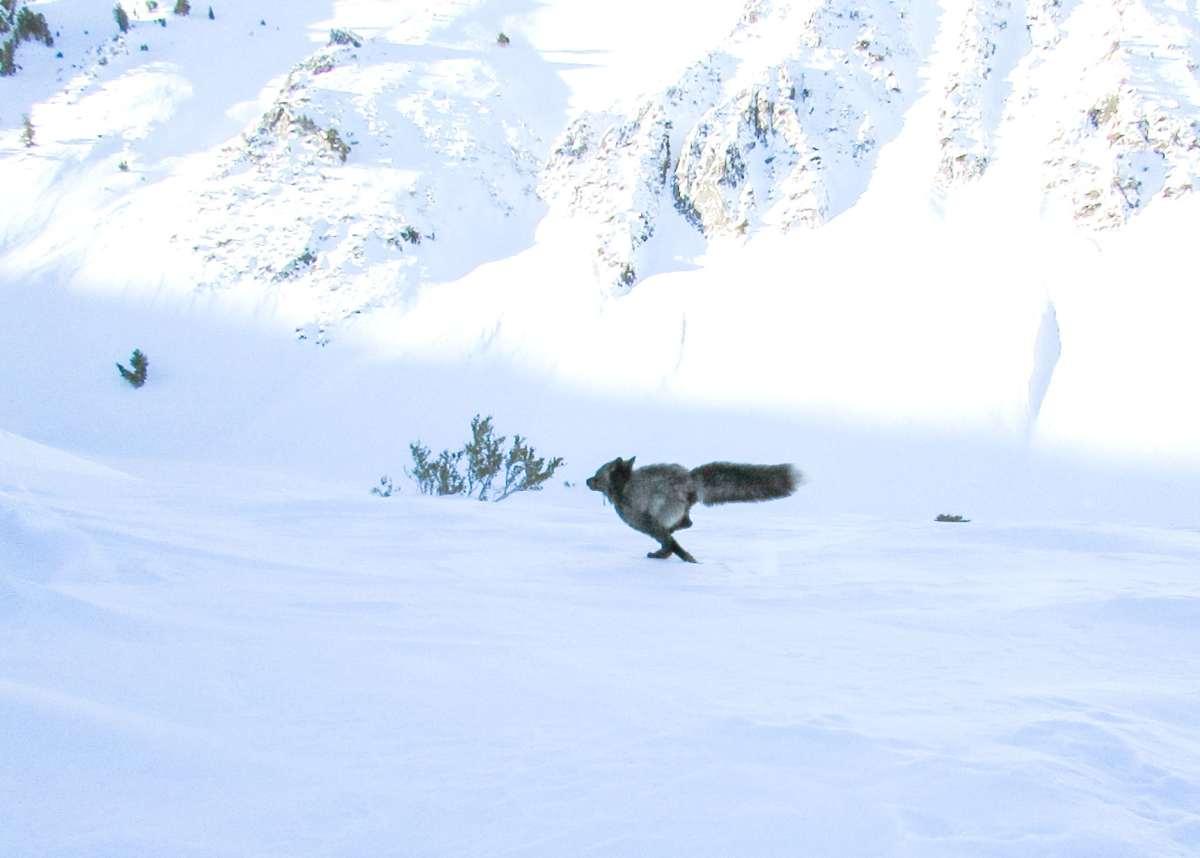
The photo shows the fox galloping away in the snowy field after being released.
This is not the first time a California red fox has been tagged, though. In 2018, a team of scientists led by CDFW Wildlife Biologist Jennifer Carlson attached GPS collars to several Sierra Nevada red foxes in the Lassen Peak area of northern California. The collars enabled them to gain an insightful glimpse into their reproductive patterns and everyday behaviors. In the latest trapping effort, the tag will enable scientists to understand these patterns from a wider perspective as well as keep constant track of their movements.
All this information isn’t just for the entertainment of curious biologists but also for planning strategies of conservation to protect these mysterious vixens of the wilderness. CDFW Environmental Scientist Julia Lawson exclaimed that everyone in the team was “thrilled” to see that their hard work had finally paid off. "Our goal is to use what we learn from this collared animal to work toward recovering the population in the long term," she said.