
World’s Oldest Known Penguins Were as Tall as Humans. Scientists Reveal What Caused Them to Size Down
Published Dec. 27 2024, 10:15 a.m. ET

An emperor penguin stands in a cave.
About 80 million years ago, when enormous volcanoes blasted upwards, spewing copious lava, the event gave birth to what is today known as the Chatham Islands. Nearly 500 miles east of New Zealand’s South Island, the archipelago straddles with freshwater lagoons and remnants of volcanic rocks. Although its wildlife declined considerably since humans came, it still houses a wealth of species including little blue penguins, mollymawk, sooty shearwaters, dotterel, and pipit. A 2019 study published in the journal Palaeontologia Electronica has even revealed that the world’s oldest penguin once swam in these waters, just after dinosaurs were wiped away from Earth.
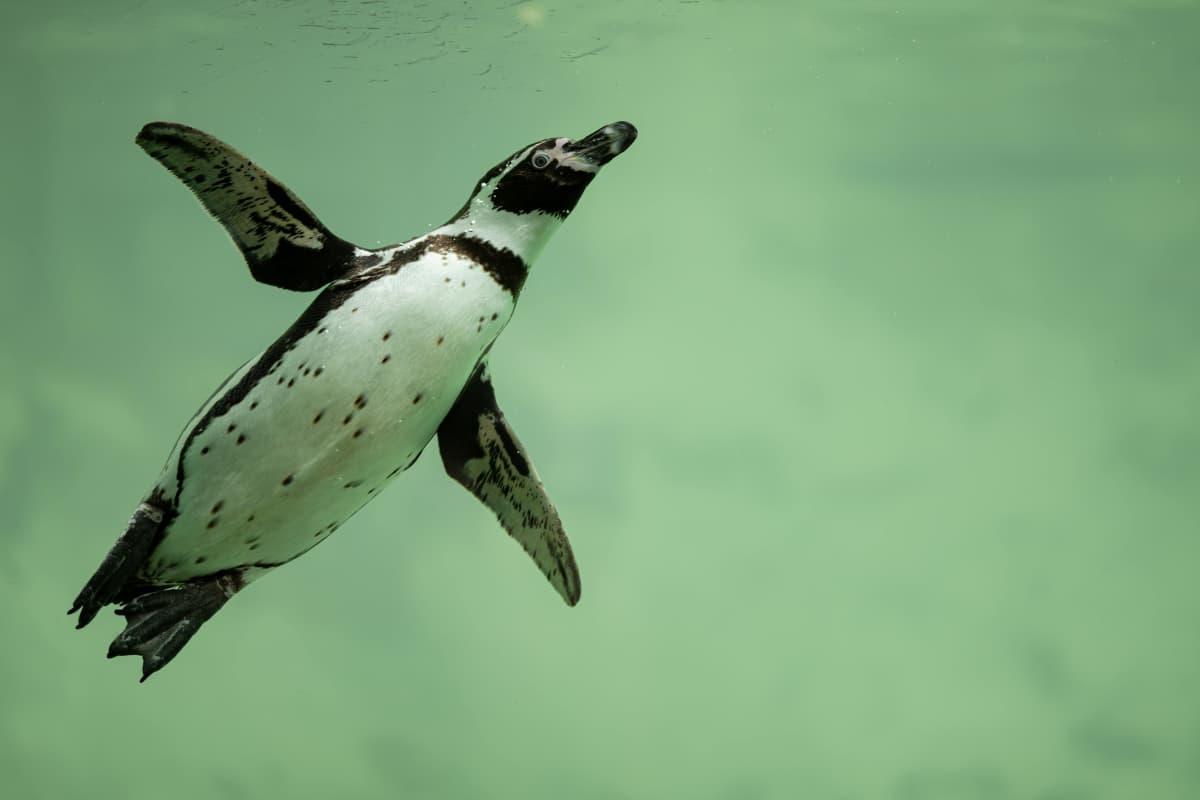
A penguin swimming underwater.
Around 66 million years ago, a mass extinction event unfolded in which an asteroid collided with the Earth and blotted out the dinosaur species. The only dinosaur species left to survive were birds. Only a few million years after this event, the world’s oldest known penguin came into the picture. This penguin was the size of a “modern king penguin” and was named Kupoupou Stilwell after the name of Monash University Associate Professor Jeffrey Stilwell who came across its fossil.
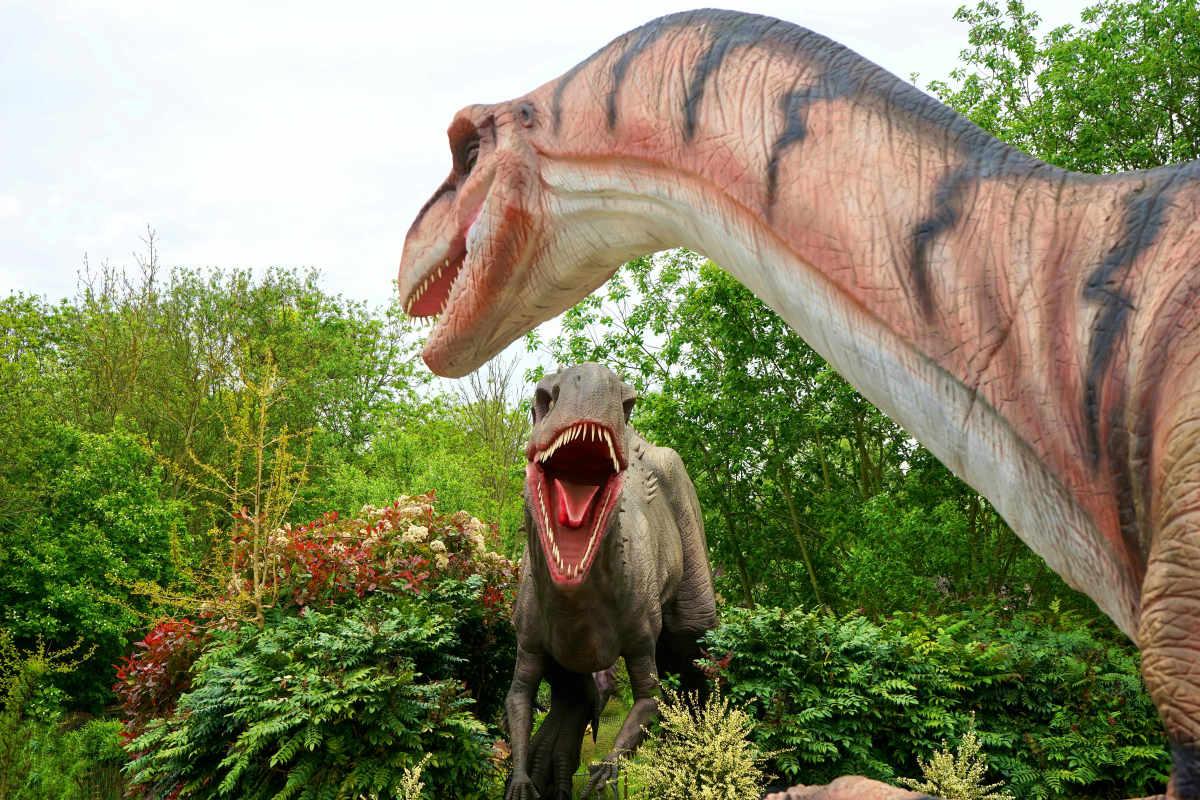
Dinosaurs roaming in lush wilderness
It was 2003 when Jefferey was out at the Chatham Islands for an expedition when he stumbled upon an array of fossils embedded deep in the coastal sands. Over the next few years, researchers collected another assortment of fossils that ranged from isolated bones to partial skeletons encased in hard rocks. Further analysis and CT scans revealed that the fossils belonged to some of the long-extinct penguins including the Kupoupou, a word which means “diving bird” in Te Re Moriori.
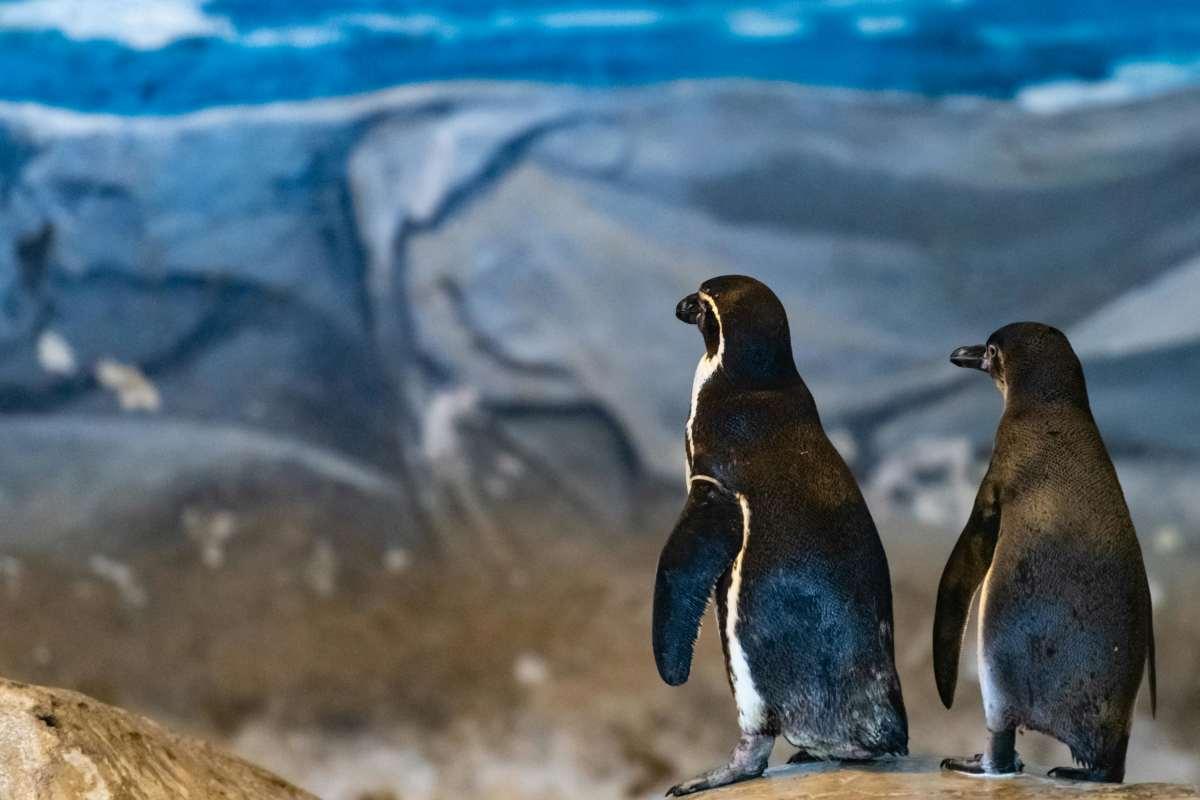
Penguins waddling on an uneven terrain
Jacob Blokland, a paleontologist from Flinders University, was the first researcher to make this discovery from the collected fossils. He projected a simulation of how ancient penguins were bigger than their evolved relatives. "Next to its colossal human-sized cousins, including the recently described monster penguin Crossvallia waiparensis, Kupoupou was comparatively small -- no bigger than modern King Penguins which stand just under 1.1 meters tall," said Blokland, per ScienceDaily.
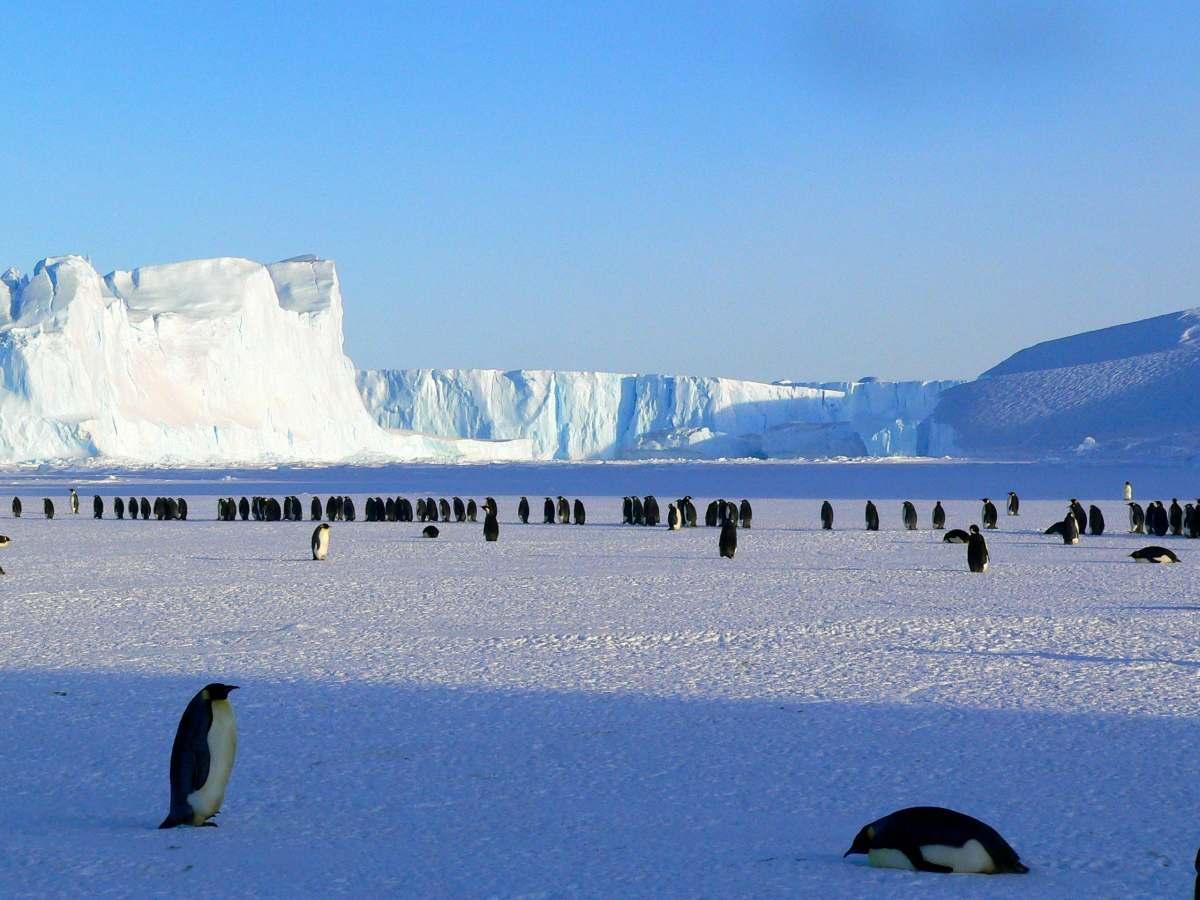
Dozens of penguins roaming in a glacial landscape
Noting in The Conversation, Blokland shared that Kupoupou is the first known penguin to have modern proportions, both in terms of size, its hind limb, and foot bones that resembled short tarsometatarsus, a feature common to birds. Other penguins who existed during this period had short legs like Kupoupou. Their weighty mass allowed them to forage deeper into the aquatic realm. “In this respect, it was more like the penguins of today, meaning it would have waddled on land,” reflected Blokland, per ScienceDaily.
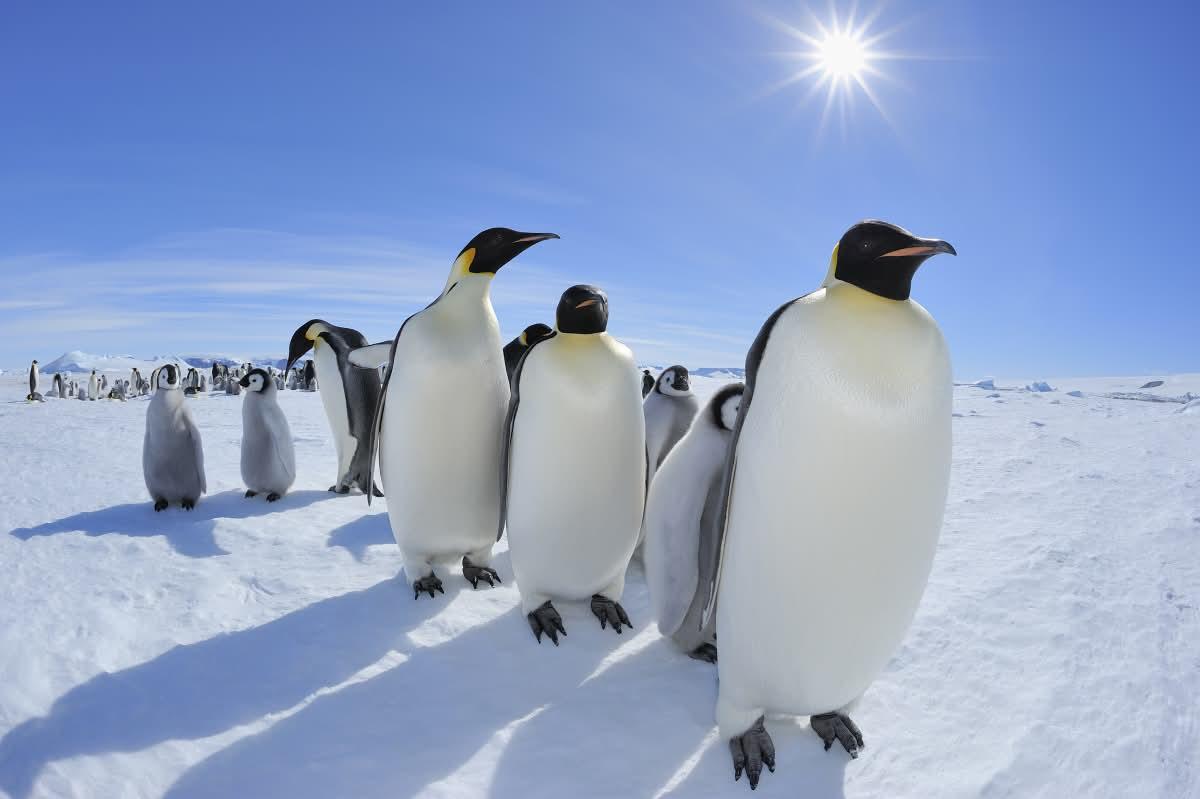
Emperor penguin with chicks, Aptenodytes forsteri, Snow Hill Island, Antarctic Peninsula, Antarctica.
Researchers believe that this research sheds light on how penguins might have evolved rapidly shortly after the time when dinosaurs roamed the Earth and gigantic reptiles swam in the waters. "We think it's likely that the ancestors of penguins diverged from the lineage leading to their closest living relatives -- such as albatross and petrels -- during the Late Cretaceous period, and then many different species sprang up after the dinosaurs were wiped out," said Professor Scofield, Senior Curator of Natural History at the Canterbury Museum.
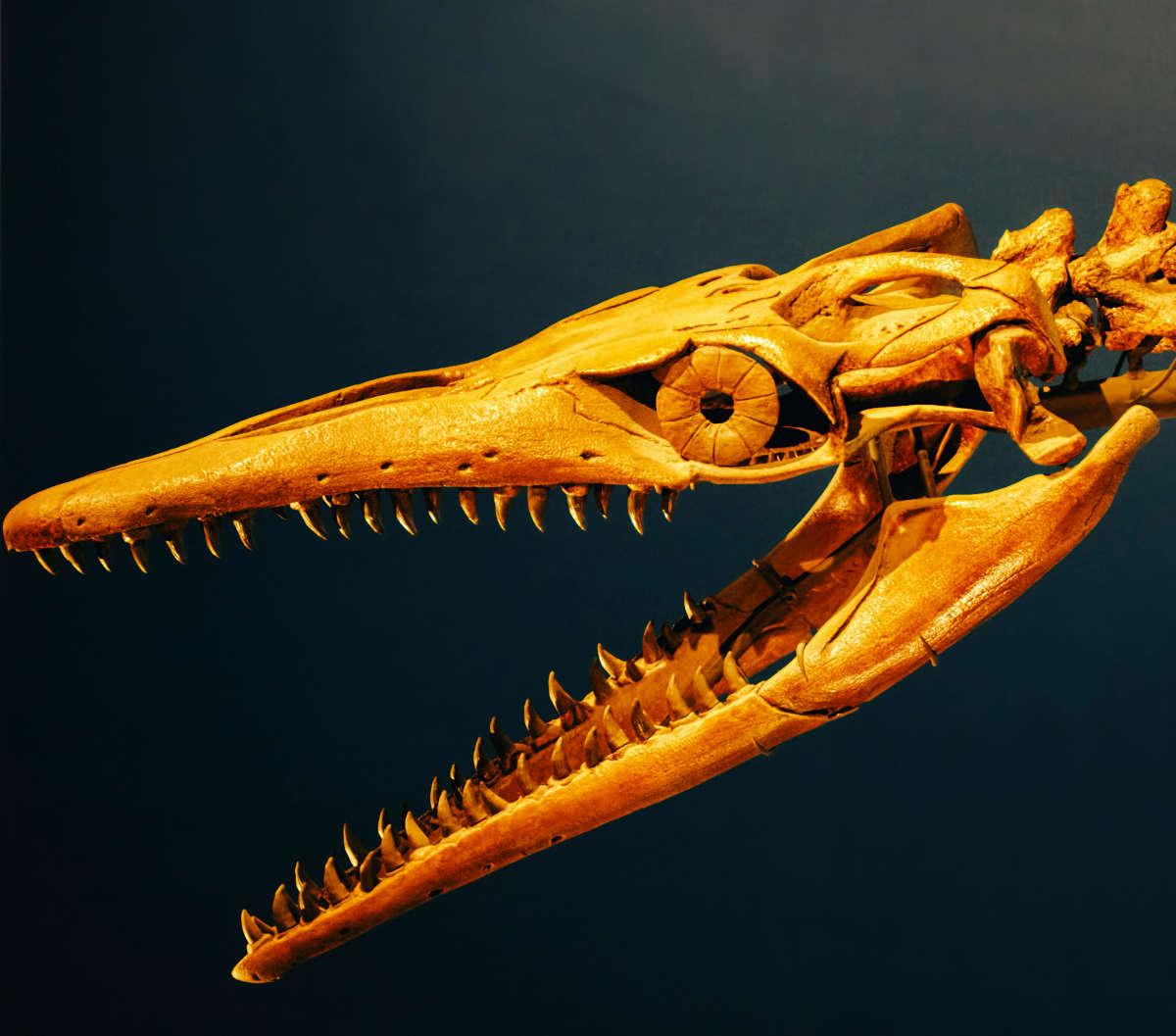
Fossilized skeleton of an ancient bird
Most modern penguins display masterly dexterity for both swimming and flying. They propel themselves and cut through water at speeds over 25 miles per hour, and swish their streamlined bodies using flipper-like wings. However, this research proves that the flying part had already started to develop during the time of Kupoupou. This hypothesis not only illuminates that penguins first evolved in this region, but also that “penguins branched from the lineage leading to their closest living relatives, such as albatrosses and petrels, before dinosaurs went extinct,” said Blokland.