
The Biggest Space Rock Ever Found in Antarctica Contains the Oldest Secret of the Solar System
Published March 13 2025, 8:46 a.m. ET

Man takes a picture of a huge rock in Antarctica.
When it comes to outer space, there is no such thing as useless. Scientists will dig up even the tiniest fragment of stardust falling on Earth to squeeze out data about the cosmos’ existence. But a 17 lbs (7.5 kg) space rock preserved beneath the glaciers of Antarctica was more than just evidence of the vast universe. It was made up of a mineral identified as the oldest in the solar system, as per a report by Indy100.
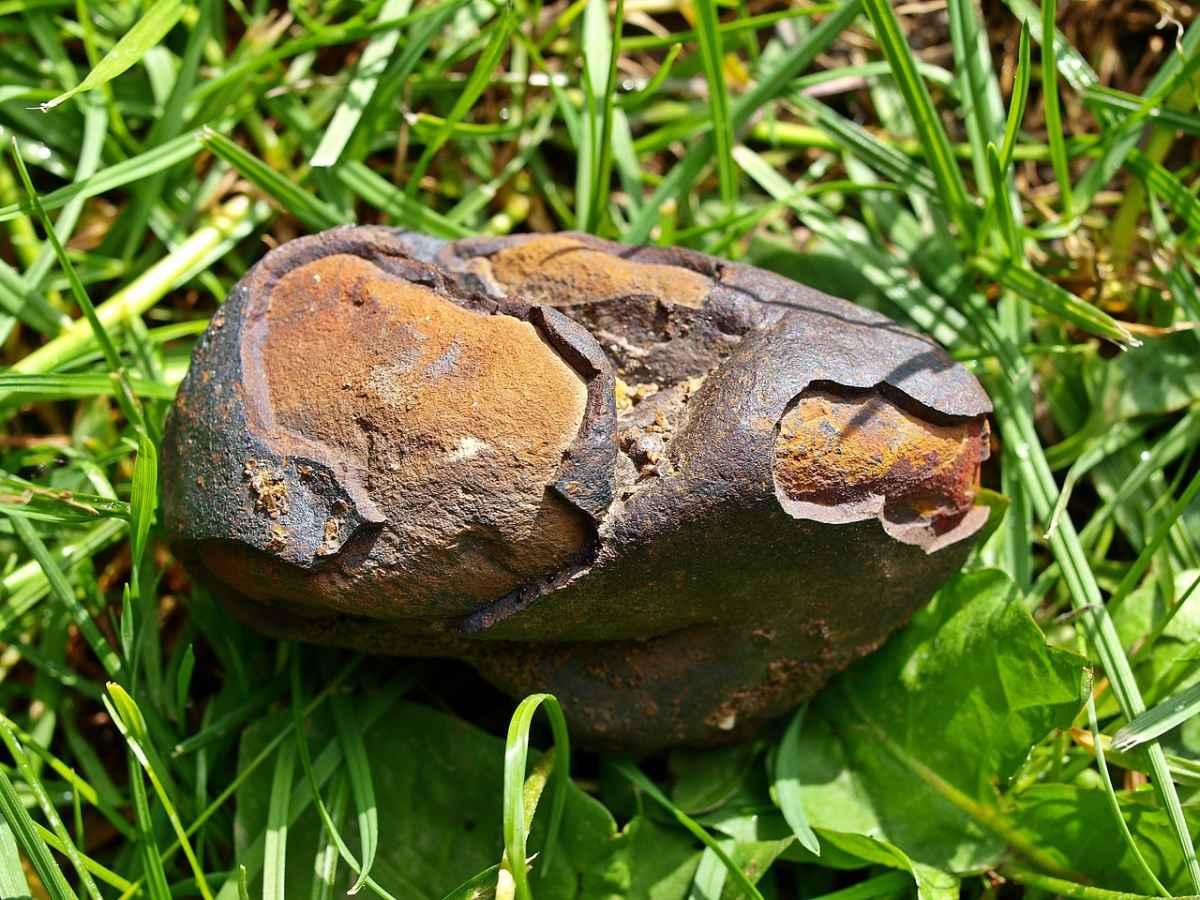
A small piece of meteorite lying on green grass.
In early 2023, scientists unearthed the biggest-ever space rock in Antarctica’s history of meteorites, which, for your information, is a whopping 45,000 space rocks over the past century. Therefore, it is nothing short of remarkable that they were able to track and locate the piece of meteorite from satellite images to reach the exact spot where it remained hidden on the snowclad continent. It was identified as a chondrite, the most primitive and common meteorite class, making up more than 85 percent of meteorite falls, per Encyclopedia Britannica.
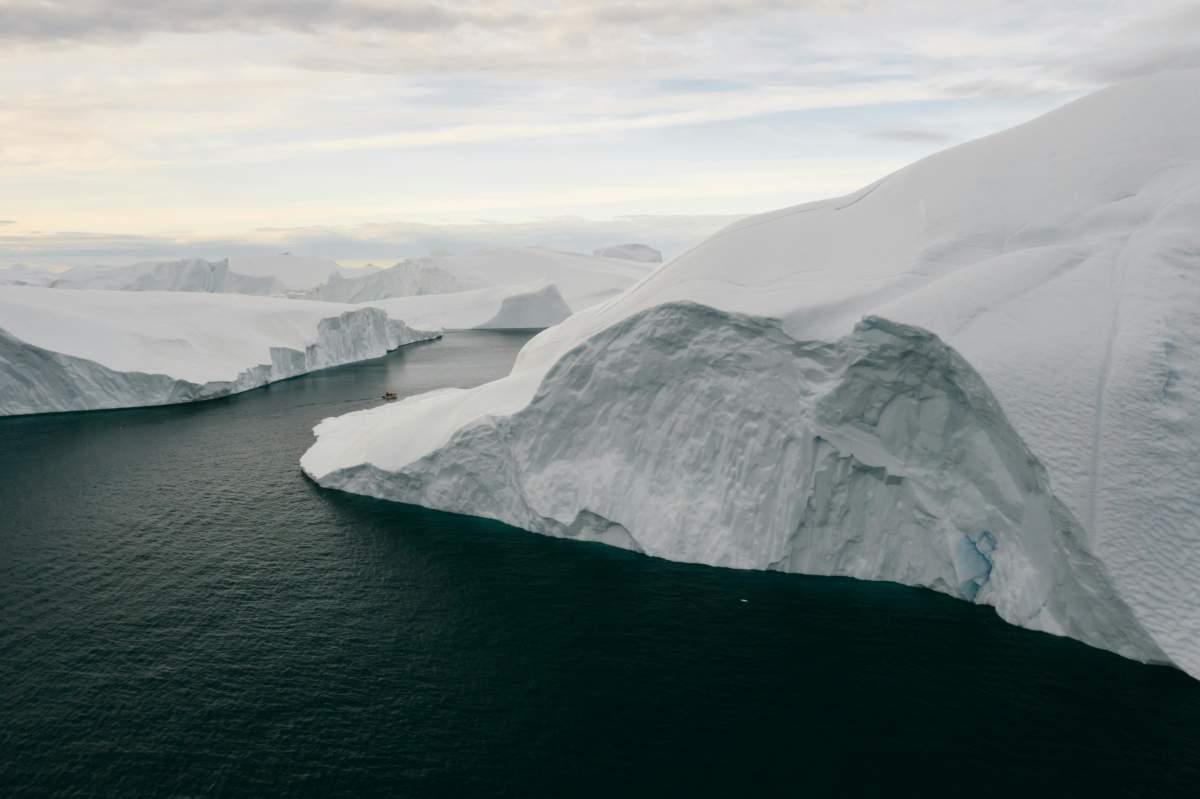
Snow-covered mountain beside body of water.
The space rock could potentially reveal new information about the evolution of the Sun and the solar system, at large. Chondrites, in general, originated from the asteroid belt between Mars and Jupiter and chemically resemble the Sun. “The object comes from the asteroid belt and probably plopped down into the Antarctic blue ice several tens of thousands of years ago,” said researcher Ryoga Maeda of the Vrije Universiteit Brussel, per Brussels Times. Maeda also co-led the team of researchers.
A comet hurtling in space with a glowing tail.
In their feat to claim the meteorite, the team of scientists slept in tents and survived the harsh temperatures of 14 degrees Fahrenheit during Antarctic summers, for nearly two weeks, searching the ice sheets, according to Smithsonian Magazine. Maria Valdes, a research scientist at Chicago’s Field Museum of Natural History, who was part of the team, intends to study some of the samples recovered from Antarctica. Only then, will she be able to “start” thinking about the origin of the 17-pound chondrite, she said, and study its evolutionary history, the parent source, and its origin in the solar system, per CNN.
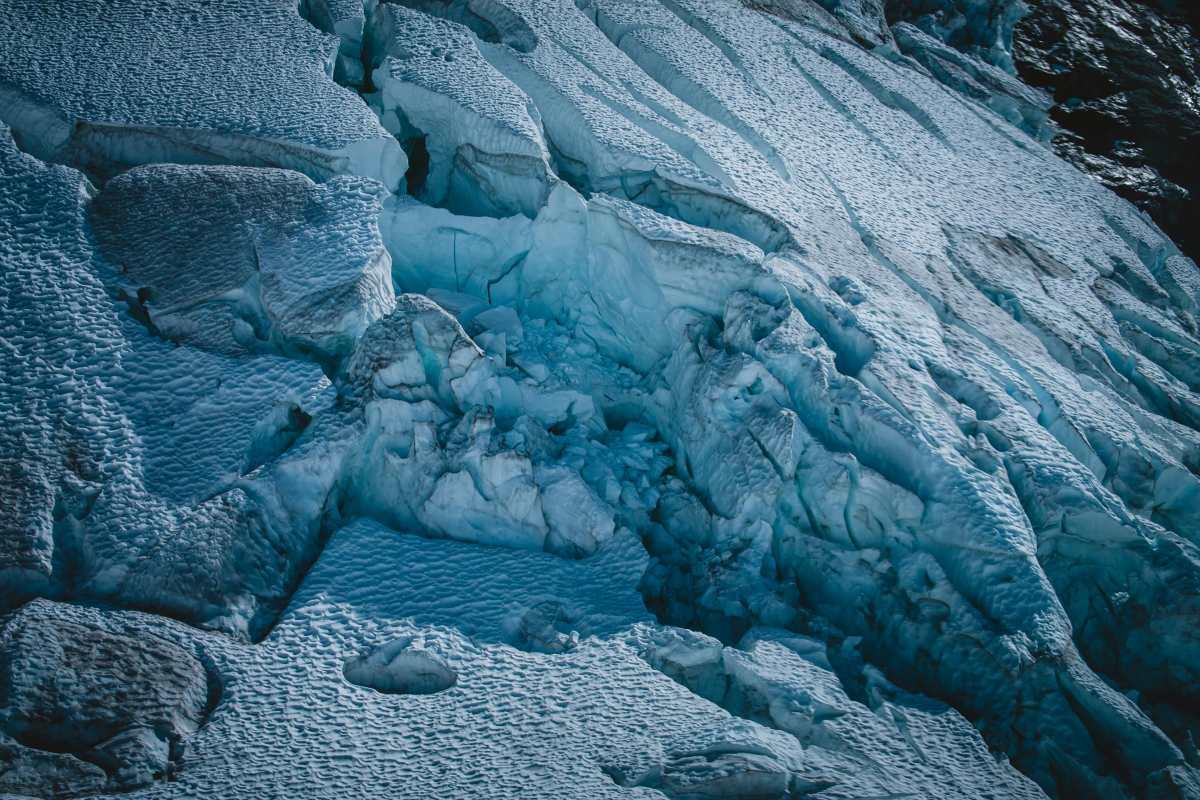
Aerial glacier rocks in Antarctica.
She does not discriminate space rocks based on their size, as even “tiny micrometeorites” are scientifically valuable. “But of course, finding a big meteorite like this one is rare and really exciting,” she added. Marking the unusual size of the meteorite, Dr. Ashley King of London’s Natural History Museum, not involved with the study, told New Scientist, "We don't tend to find too many meteorites in Antarctica that are as big as this. The more meteorites we have, the more samples that we have available for us to study and learn about the early solar system.”
It is worth noting that the South Polar region has been a hotspot for meteorites and scientists speculate there are 300,000 more hidden in the ice. Antarctica, a polar desert, is also a naturally ideal location to spot meteorites because of its lack of terrestrial rocks and the largely pale and icy landscape which only makes it easier to find darker space rocks. The ice, in turn, helps preserve the delicate chemical compositions of the outer-world rocks. Meanwhile, meteorites contain crucial data about the formation of the solar system 4.6 billion years ago in the form of the matter it is made up of.