
Scientists Discover a 'Lost City' Deep in the Atlantic Ocean — Unlike Anything We've Ever Seen Before
Published Feb. 16 2025, 10:46 a.m. ET

Diver exploring rocky structures deep beneath the ocean.
At the turn of the millennium, researchers uncovered a site near the summit of an underwater mountain range in the mid-Atlantic Ridge that spews essential gases to sustain unique life forms. Located 2,300 feet (700 meters) beneath the surface, the Lost City Hydrothermal Field hosts an eerie landscape of calcium deposits forming towers and calcite vents. The heights range from only a few meters to 60 meters, and the towers are embedded with rocky structures that are as old as 120,000 years and longer, as per the study published in the journal Oceanus. The site was found during a National Science Foundation-sponsored expedition in 2000.
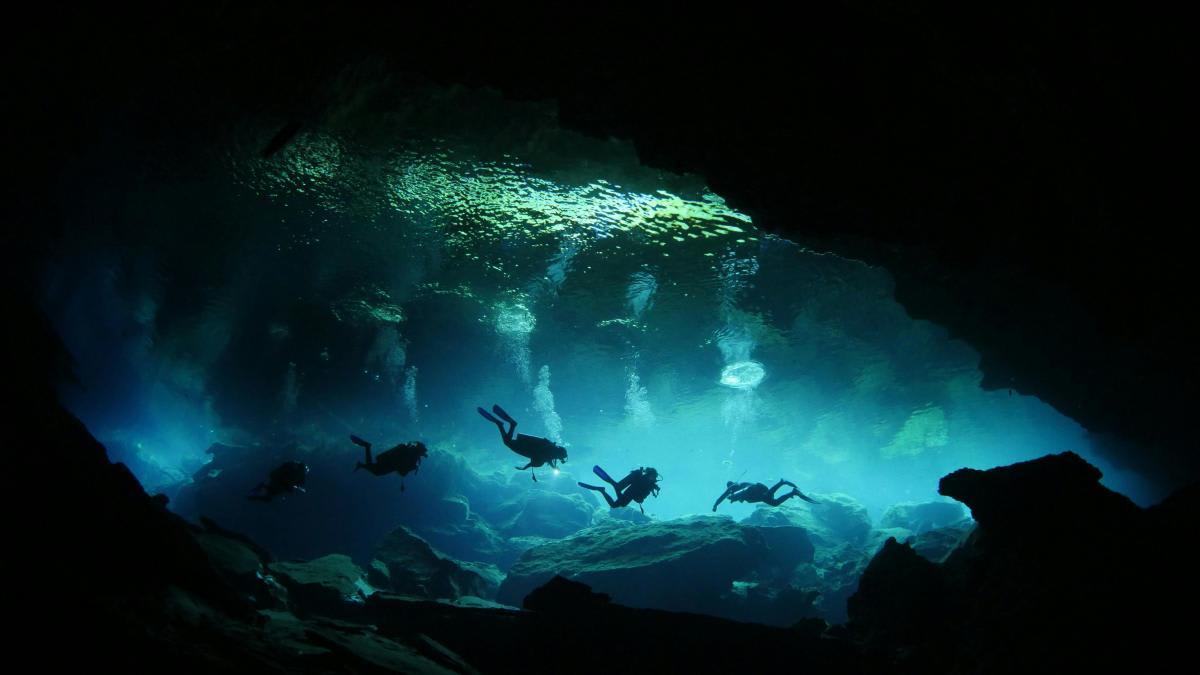
Multiple divers in an underwater cave.
The ancient hydrothermal vent of pure carbonate, interestingly named The Lost City, has transformed into a habitat for microorganisms feeding on gases. A simple interaction of seawater with the rocks at the site results in an infinite supply of hydrocarbons through the production of methane, hydrogen, and other gases into the ocean. While the mantle layer traps atmospheric carbon dioxide. The microbial communities thrive on the blocks of life eliminating the need for oxygen that does not seem to exist in the Lost City, according to the research by the University of Washington and the Woods Hole Oceanographic Institution (WHOI).
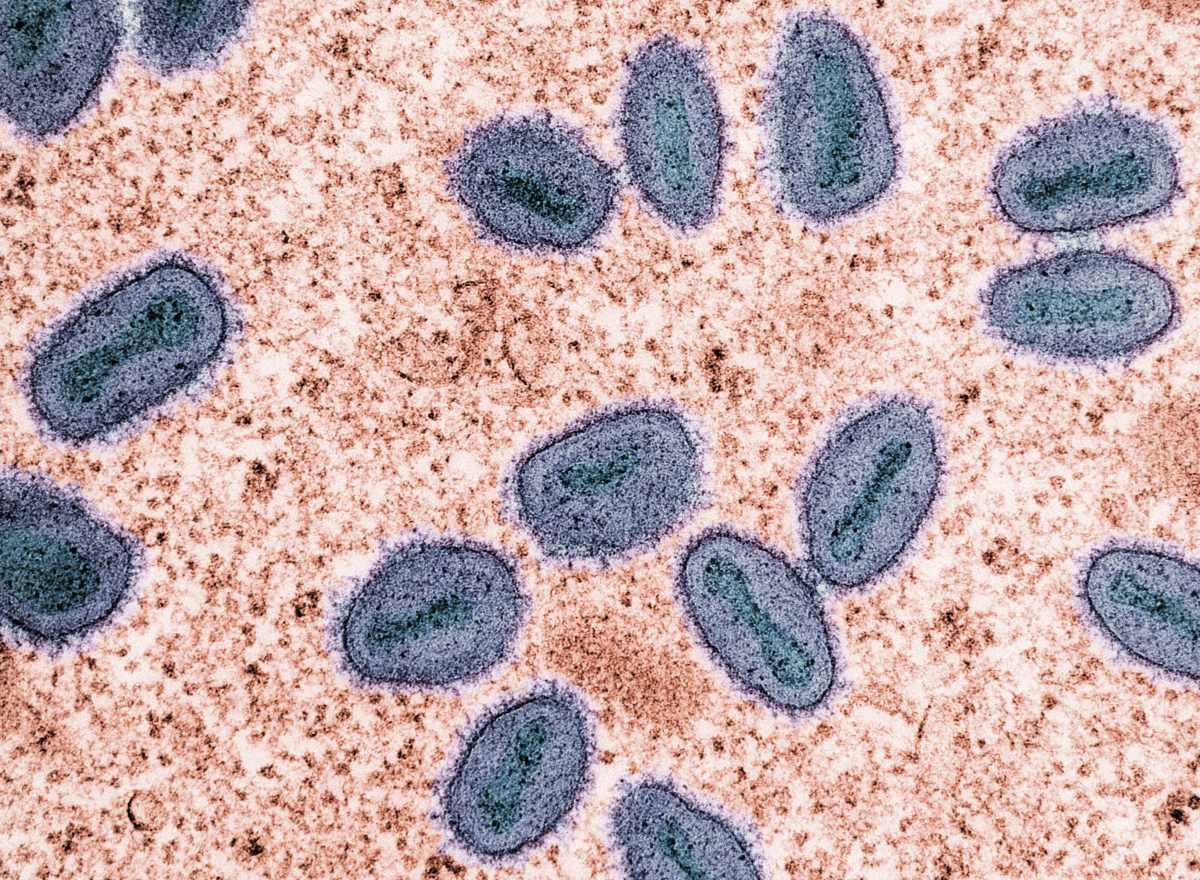
Microorganisms under the microscope.
Scientists theorize that the production of hydrocarbons in Lost City– the longest-lived venting environment in the world– may have hidden knowledge of the origins of life, deeming it one of the possible sites where the first life forms may have originated, authors of the study Giora Proskurowski and Deborah Kelly, per PubMed. Proskurowski, who is the lead author and completed his post-doctorate at WHOI, said, “The generation of hydrocarbons was the very first step, otherwise Earth would have remained lifeless.”
Green Coral Reef Under Water.
The Lost City is perched on top of the submerged mountain, Atlantis, with the water venting temperatures reaching 200 degrees Fahrenheit. To put things in perspective, the human body cannot tolerate a core temperature of more than 109.4 degrees Fahrenheit, per NBC News. The researchers stumbled on the Lost City via the WHOI-operated vessel, Atlantis. The lead author hence, stated that the detection of these “organic building blocks” from a non-biological source is evidence to understand life’s origins on Earth and possibly other solar bodies.
Jet of bubbles spewing underwater
The hot gases from the thermal vents are home to crustaceans and snails while crabs, shrimps, and sea urchins are rare in the region. The researchers speculate that the acetate and formate found in the vent fluids could have potentially been an energy source for early microorganisms that consume methane to survive called methanogens. "This is an example of a type of ecosystem that could be active on Enceladus or Europa right this second," microbiologist William Brazelton told The Smithsonian Magazine referring to the moons of Saturn and Jupiter respectively, in 2018.
While it was initially thought to be the only existing vent of such a dynamic, scientists now speculate there might be more. Two years after the discovery of the Lost City, the researchers revisited the location on a 19-day expedition using a 3-person submersible named Alvin. Samples of rock, fluids, and biology were collected to further their studies and understanding of the thermal vents that are about 2 million years old, per a NOAA report. Subsequent explorations of the ocean floor have increased the possibility of finding vast, exposed deposits of mantle rocks, particularly in the Arctic and Antarctic oceans.