
Researchers Spied on Hedgehogs with Hidden Home Cameras — What They Caught at Night Is Unexpected
Published Jan. 21 2026, 8:42 a.m. ET

Hedgehogs (Erinaceus europaeus) visiting a small domestic garden where the owner puts out food each evening
In the historic county of North West England, where streets are sprawling with timber-framed buildings, cheese farms, rolling hills, and woodland forests, some cute little hedgehogs are exhibiting a strange preference. Far from the luxuries of lavish bug hotels and scented flowerbeds, their choice of spaces is increasingly based on one particular amenity: food. A team of researchers from Nottingham Trent University and Chester Zoo, hid cameras in the residential gardens of the United Kingdom to spy on Cheshire-dwelling hedgehogs and observed that these shy, fuzzy nocturnal creatures tend to gravitate where they can find a generous buffet of food in the cover of the night. Documenting the findings in Urban Ecosystems, the researchers reflected how the choice of these feeding spaces is so vital and precious for their survival.
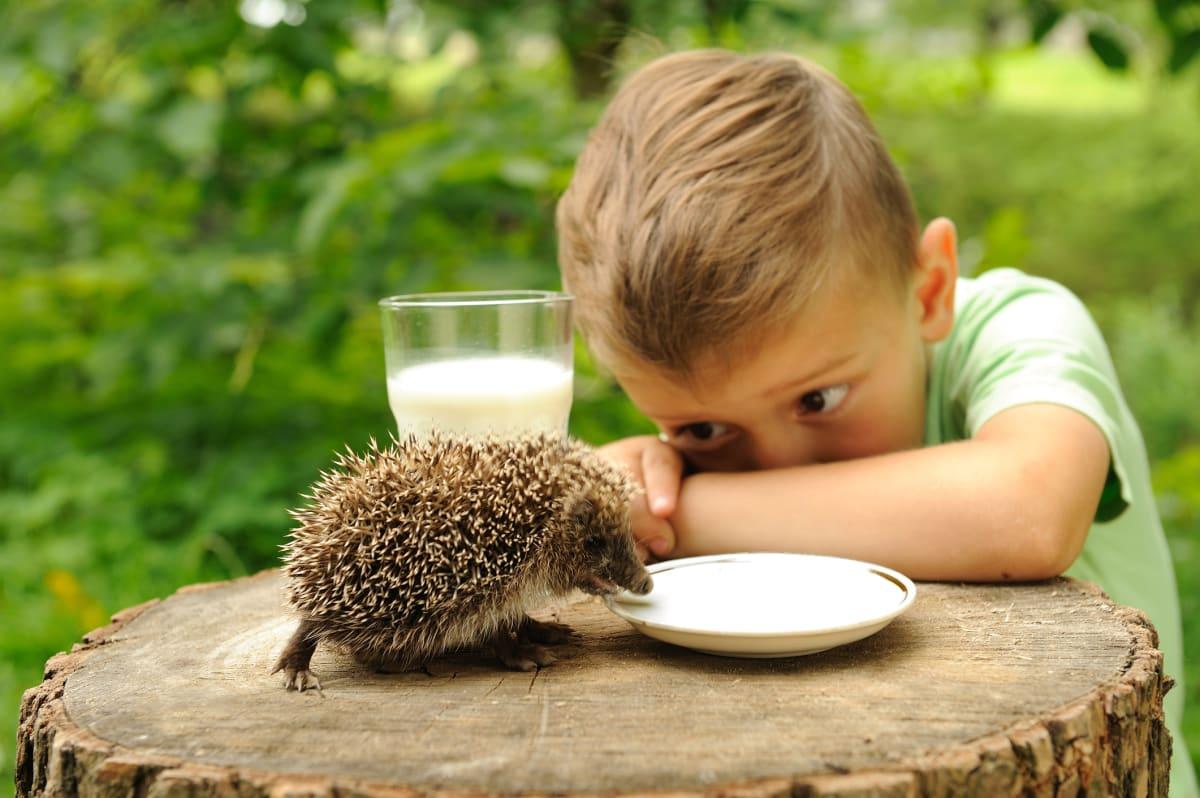
A boy sitting on a garden chair watching a hedgehog eat from a plate of snacks and a glass of milk
Hedgehogs pervade more than 57 percent of Cheshire’s gardens, particularly in rural areas. Lately, however, the little teacup-sized creatures are becoming vulnerable to extinction. The culprit is increased human interference with activities like urbanization, exposure to toxic chemicals, competition of resources, vehicle collision, and death on roads. For this study, the objective was to discover what they eat, which could provide a clue to their declining numbers.
According to the researchers, this is one of the largest and most intensive camera trap studies of residential gardens across a city conducted in Europe. The study was also the first one to integrate citizen science into camera trapping data collection to achieve extensive camera deployments. Researchers analyzed thousands of images from cameras placed in 415 gardens, with permissions from humble volunteers. The gardens sampled for the researched varied in sizes ranging from a small tennis court to a large rectangular bedroom.
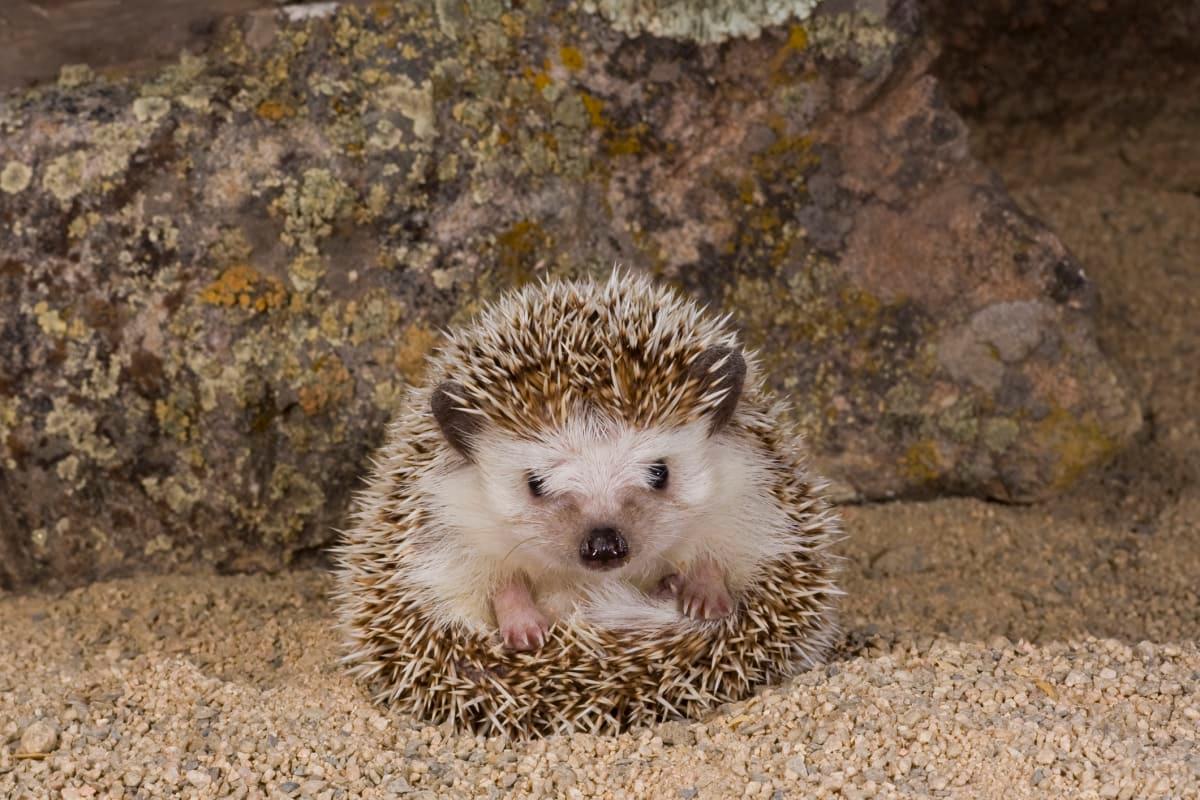
A pygmy hedgehog in a garden
Over two-thirds of the back gardens were accessible to hedgehogs from the front of the house and 92% contained at least one tree or shrub. 87% had at least one flowerbed and 72% had a shed or greenhouse. 42% had a wild area, 36% had a vegetable patch, 29% had a pond, and 27% had a rock pile. But the hedgehogs were far from being lured by these materialistic luxuries. Their focus remained on what mattered the most, only one attraction: food.
In some of the photographs researchers collected from the cameras, hedgehogs were seen sharing food bowls with foxes, which was surprising given that the two animals share predator-prey dynamics. In cases where no food was left in the garden, which was in 46% of the cases, the population of hedgehogs dropped considerably. This made researchers wonder why the habitat is so crucial for these little animals. "The pattern that we've seen is that hedgehog populations in rural areas have declined – gardens seem like a really important habitat – so it's really important that people are aware of that,” said lead researcher Kelly Hitchcock to BBC.
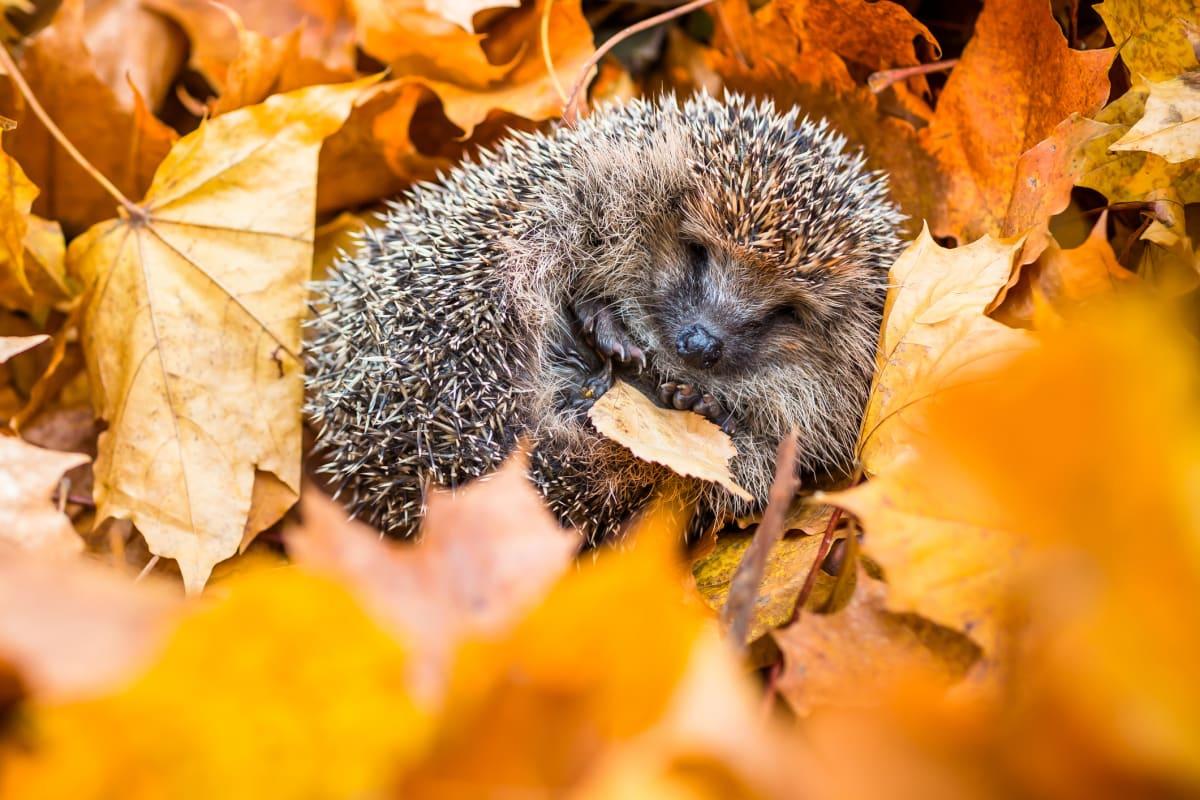
A European hedgehog nestled in golden autumn leaves
Researchers noted that the instance can provide valuable information for the conservation strategies and garden management strategies that can help increase hedgehog population in urban landscapes. Supplementary food doesn’t only play a crucial role in shaping their movement and distribution, but also influence disease transmission or trigger episodic aggression between species. While humans can’t put a stop to the rushing wave of urbanization, the best thing they can do for hedgehogs is to “create wild spaces for them, where they can over-winter, mate, and live happily,” as conservation biologist, Dr. Rebecca Thomas, of Royal Holloway, University of London, said. If you want to feed them too, she suggests cat biscuits.