
Participants in a Blind Taste Test Try Out Tap and Bottled Water. Here’s What Most of Them Preferred
Published Dec. 14 2024, 9:15 a.m. ET

(L) Woman's hand filling water from the tap. (R) A bottle of packaged drinking water in a blue background. (Representative Cover Image Source: Getty Images | (L) Liudmila Chernetska, (R) Years)
The bosom of Earth rambles with a wealth of minerals. When rain falls or water from rivers or lakes is pulled towards the water treatment facilities, the water picks up these minerals from the Earth. When someone drinks a glass of water, these minerals go straight inside their bodies, fulfilling their various nutritional needs. But these minerals also end up altering the taste of water in unusual ways, a water sommelier tells Luqel. Water, which is neutral, becomes salty, bitter, sweet, or astringent. Manufacturers who build water bottles add their own set of minerals to make the water healthier for consumers. As a result, the water humans drink comes in a wide range of tastes, all of which are derived from its potpourri of mineral slew.
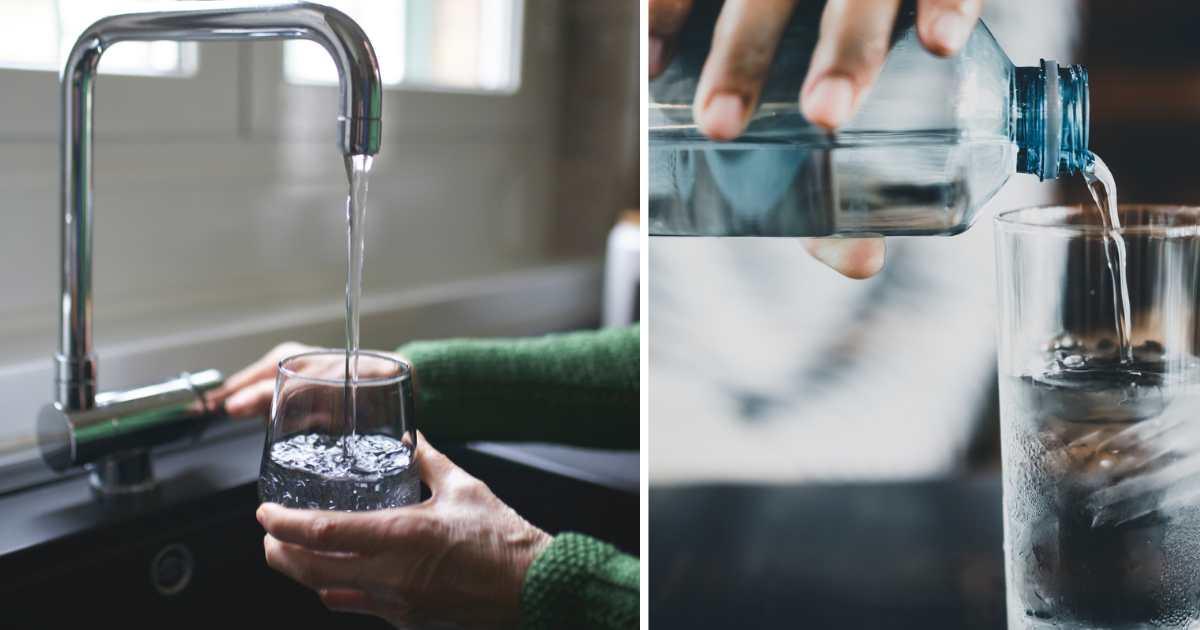
(L) Woman's hand filling a glass of filtered water from the tap in the kitchen sink. (R) Woman's hand pouring bottle of water to glass. (Representative Image Source: Getty Images | (L) Nico De Pasquale Photography, (R) Tonktiti)
In a resurfaced 2013 video on YouTube, Orlando Sentinel’s columnist, Beth Kassab, conducted a blind taste test to see if people could tell the difference between bottled and tap water. And their preferred water variety was unexpected. Kassab demonstrated to the viewers four varieties of water she was going to experiment with. The first one was “Dasani” bottled water. The second one was basic tap water from her house. The third variety was “Aquafina” and the last one was tap water from OUC filled in a pink metallic bottle.
A woman is drinking a glass of water.
Once she filled these waters in several glasses, she called in six to seven participants who all drank from each of these 4 glasses. “So nobody got it correct,” Kassab concluded after the experiment was over. “Nobody could figure out which was the bottled and which was the tap," she added. In the end, most of the participants said that they preferred the "OUC" tap water. Kassab wrapped up by saying that even though the branding that flashes on the water bottles may be fancy when it comes to a blind taste test, it doesn’t matter.
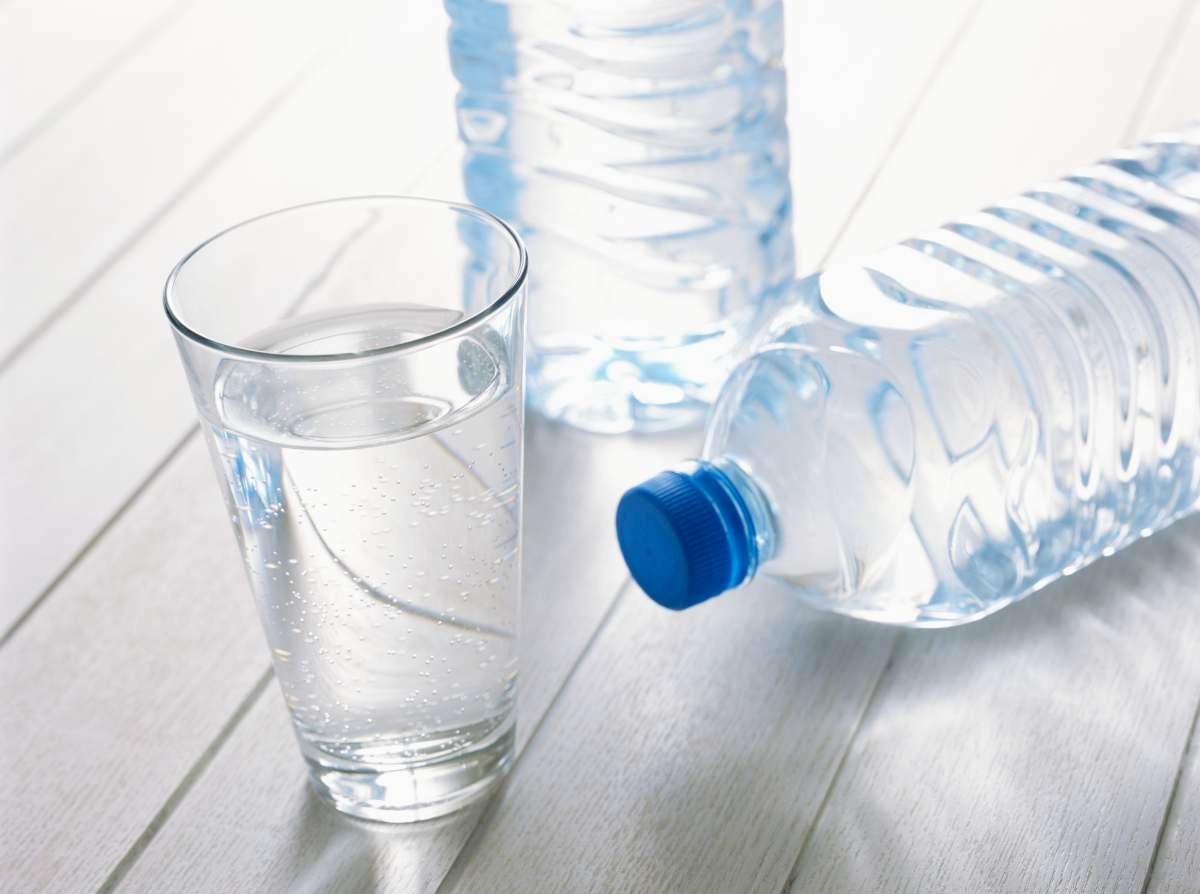
A glass of water and two plastic bottles containing drinking water.
This is not the only blind taste test where no one was able to guess the true identity of water. A 2010 study published in the Journal of Sensory Studies found that only 36% of the participants were able to spot the difference between bottled water and tap water. The study also concluded that most people preferred water with medium mineralization, regardless of the source. A 2011 experiment by Cambridge University, published in Wine Economics, also revealed that “of 67 taste-testers, only a third identified the tap water sample correctly.” In this experiment, taste testers were each given a cup of coffee to clear their palates, and then asked to identify the minerals they thought were in the water sample.
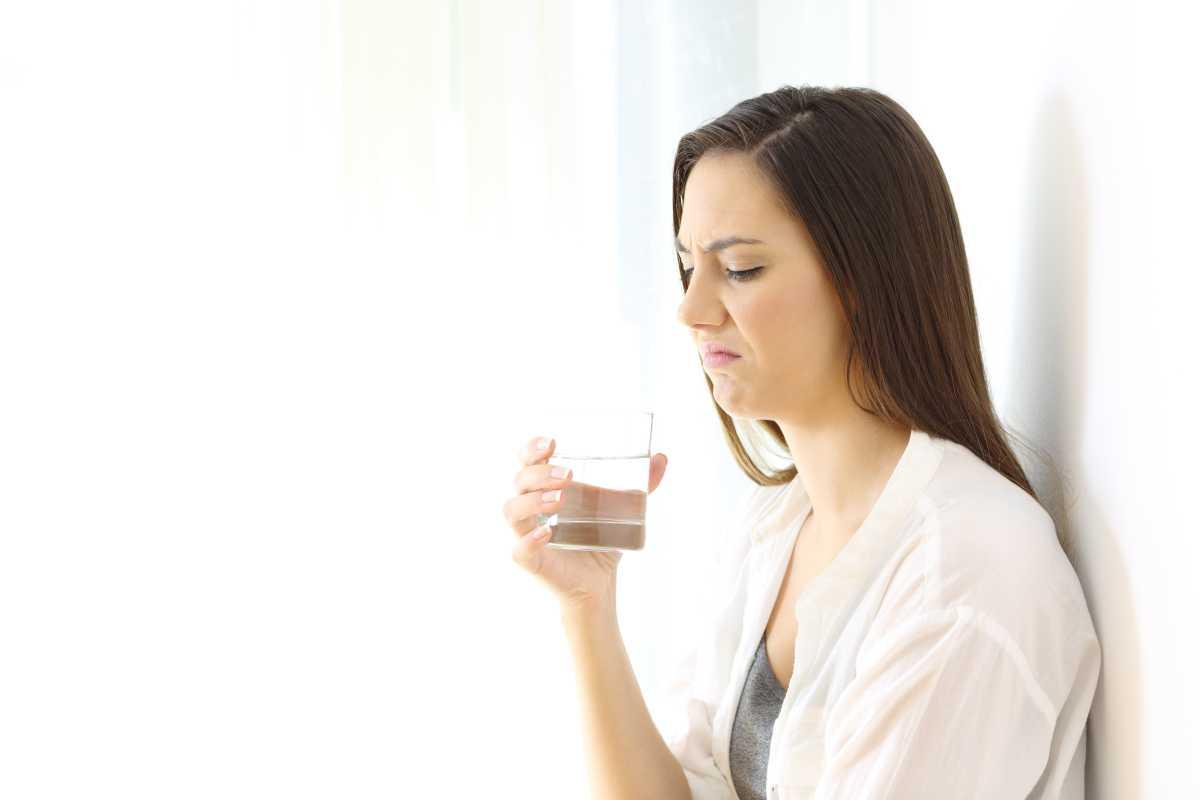
Woman is disgusted by drinking water that tastes bad.
In another blind taste test conducted in 2013, researchers found that the primary minerals that influence the taste of water are bicarbonate, sulfate, calcium, and magnesium. Though the water containing magnesium is a rich source of nutrition for the body, excess of it can affect the taste, making the water salty. Additionally, science has shown that not just minerals, but also a person’s emotional state and conscious awareness can also alter their perception of water’s taste. Like minerals, when emotions emerge in the mind, the otherwise tasteless water becomes a carrier of taste.