
Here’s How Babies in the Womb Reacted to Pregnant Moms Eating Carrots and Kale
Published Dec. 18 2024, 9:45 a.m. ET

Laughing and grimacing reactions of fetuses when fed with carrots and kale respectively
From untimely mood swings to digestive issues and extreme food cravings, a pregnant woman has to go through a lot to nurture the new life wriggling inside her. At first, the baby recognizes touch and as they start drinking the amniotic fluid, their sensitive body develops a sense of taste. Once they pop out of the womb and taste the sweet-flavoured breast milk, most babies naturally develop a preference for sweeter foods over bitter foods. But the latest study published in the journal Psychological Science has revealed something even more noteworthy. The study found that babies develop their preferences for flavors in the womb itself, long before birth. They smiled when fed carrots and grimaced when fed kale.
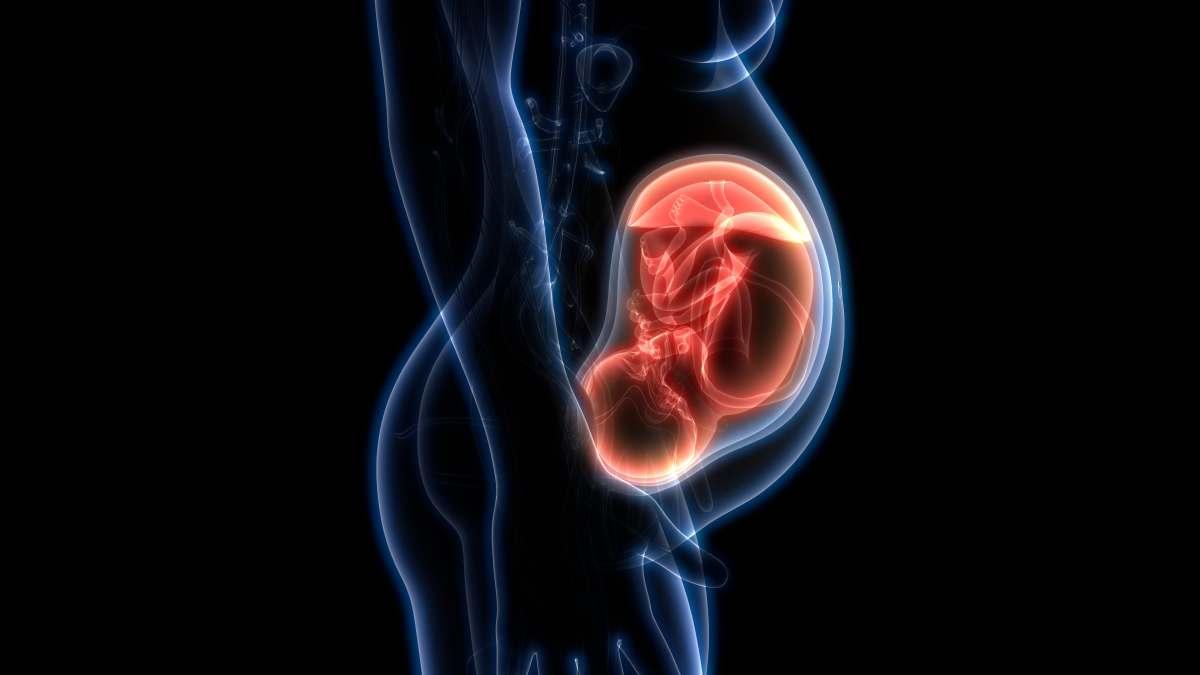
3D Illustration of Fetus (Baby) in Womb Anatomy
While previous studies have suggested that humans’ food preferences may begin before birth and can be influenced by the mother’s diet, this is the first direct evidence that babies react differently to various tastes and smells before they are born. "We are the first ones who could actually show on an ultrasound scan the facial expressions with the food which the mother has just consumed," Nadja Reissland, a co-author of the study and the head of the Fetal and Neonatal Research Lab at Durham University, told NBC News.

Happy pregnant young woman sitting and eating salad at home.
Previous experiments showed that the flavor of amniotic fluid varies from sweet to bitter according to what the mother eats. This study showed how fetuses react to different flavors. The team noted in the paper that aromas from the mother’s diet were present in the amniotic fluid. Taste buds can detect taste-related chemicals from 14 weeks gestation, and odor molecules can be sensed from 24 weeks gestation.
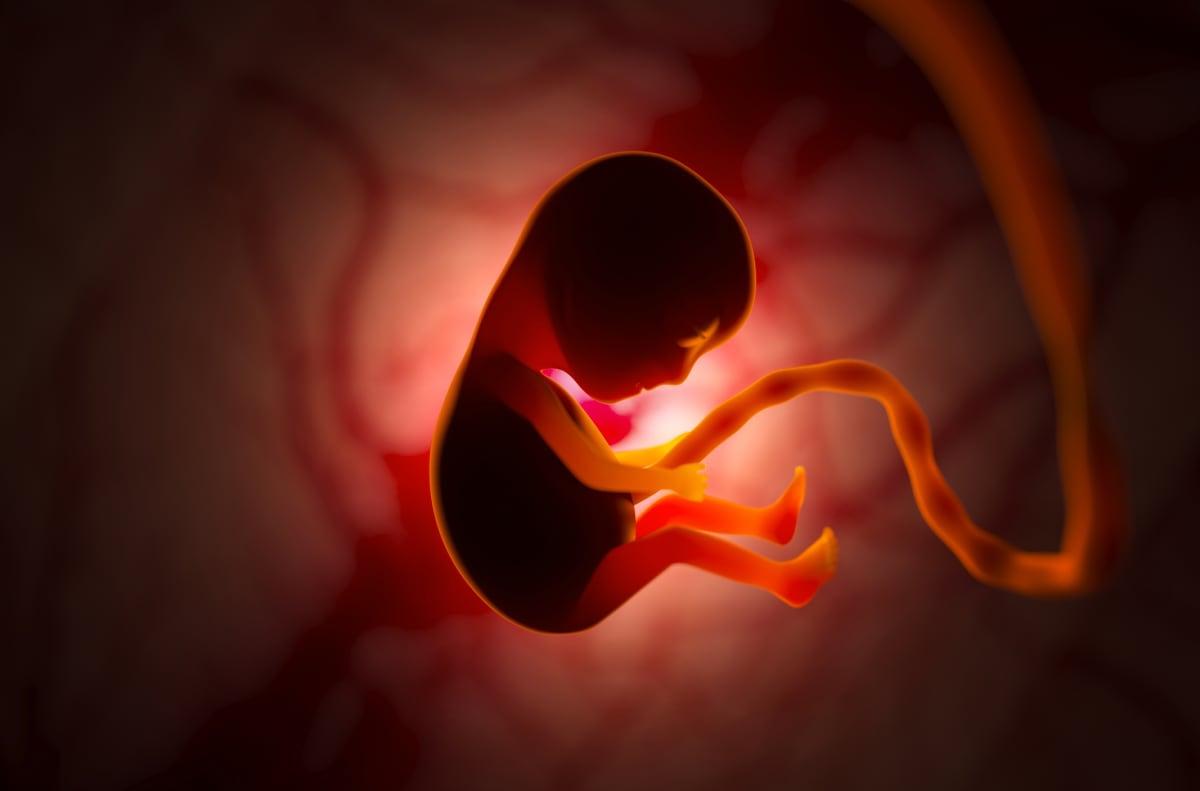
The development of a human embryo inside the womb during pregnancy.
The research was carried out by scientists from Durham's Fetal and Neonatal Research Lab and Aston University in Birmingham, central England. They studied 4D ultrasound scans of 100 pregnant women and discovered that babies exposed to carrot flavors showed "laughter-face" responses. In contrast, babies exposed to the bitter flavor of kale reacted with a “cry face.”
Seeing this, it isn’t surprising why many people turn out to become picky eaters as they grow up. The programming of their taste buds was already done when they were submerged inside the ocean of their mom’s life-giving fluid. Reissland told NBC News that this “study could improve our understanding of how exposure to flavors in the womb affects eating habits later in life.” However, these reactions, whether laughter or grimace, might just be muscle movements inside the babies’ bodies.

A human baby growing inside the womb. Age is about 7 months.
"As a result, we think that this repeated exposure to flavors before birth could help to establish food preferences post-birth, which could be important when thinking about messaging around healthy eating and the potential for avoiding 'food-fussiness' when weaning,” lead researcher, Beyza Ustun, said in a statement. Speaking to CNN, Ustun added that by manipulating a pregnant woman’s diet, they can program the child to like bitter foods such as kale and other greens as much as they crave sweets.
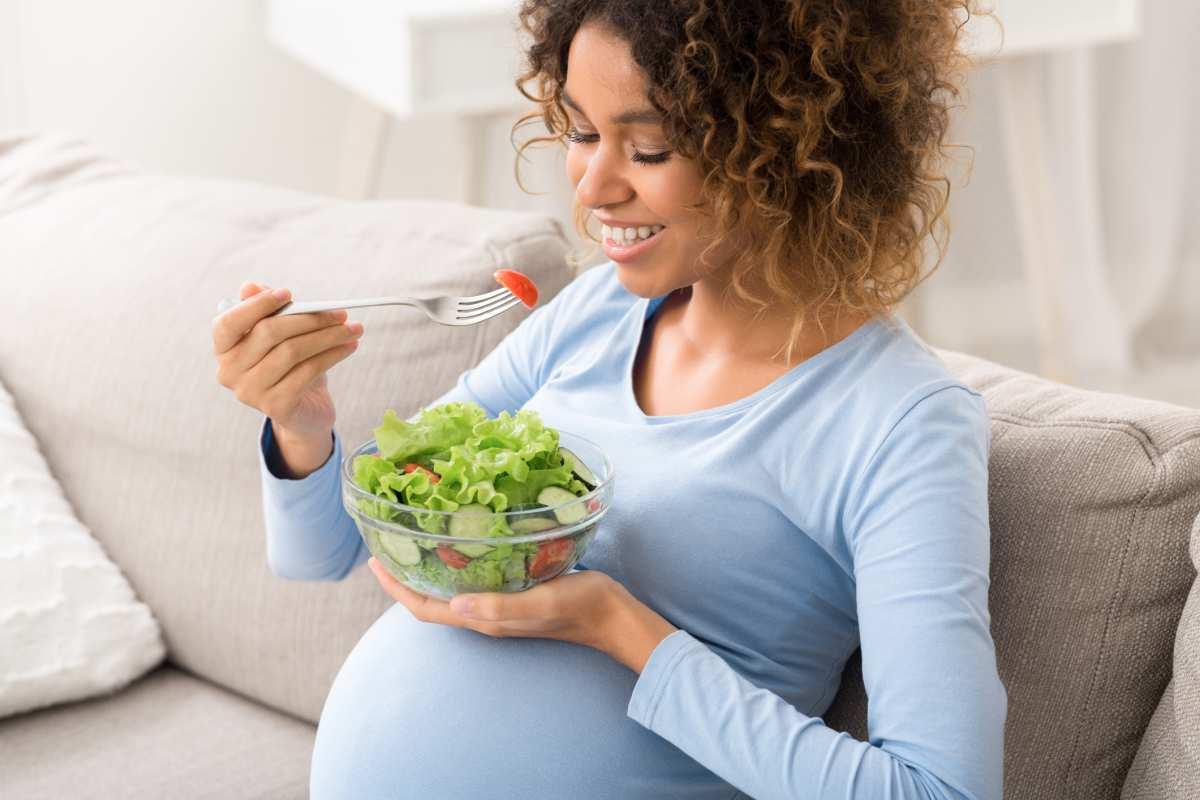
Healthy pregnancy food. African-American girl eating fresh vegetable salad, resting on sofa at home
“Mothers who have healthy diets while they are pregnant may also find that their babies are less fussy eaters,” Reissland said. "If we can actually get [children] to like green vegetables and to perhaps not like sweets that much, it might help concerning their weight gain and their weight balance," she said. However, once the baby comes out of the womb, nutrition experts suggest that they should not be fed any food forcibly or asked to suppress their cravings. No food is either too good or too bad ultimately. Intelligent as they’re designed, human bodies know how to extract their supply of nutrients from whatever foods get inside them.