
Extremely Rare Level 8 Aurora Seen for First Time in Decades — and Skywatchers Are in Awe
Published Feb. 2 2026, 4:30 a.m. ET

Stunning auroras danced across the skies of Norway on January 21
Far away from the flashy glint of city lights, the northern lip of the Earth exploded into a fascinating display of light on January 21, 2026, whose recordings continue to stun millions of viewers across the world. Up above the dramatic icy fjords, the cool dark skies burst into a quiet melodious dance of gleaming colors after the Sun blasted flurries of solar material towards Earth in a storm. Footage shared online by CGTN shows the sky trembling in a ripple and then blowing up in a bewitching dance of colorful lights.
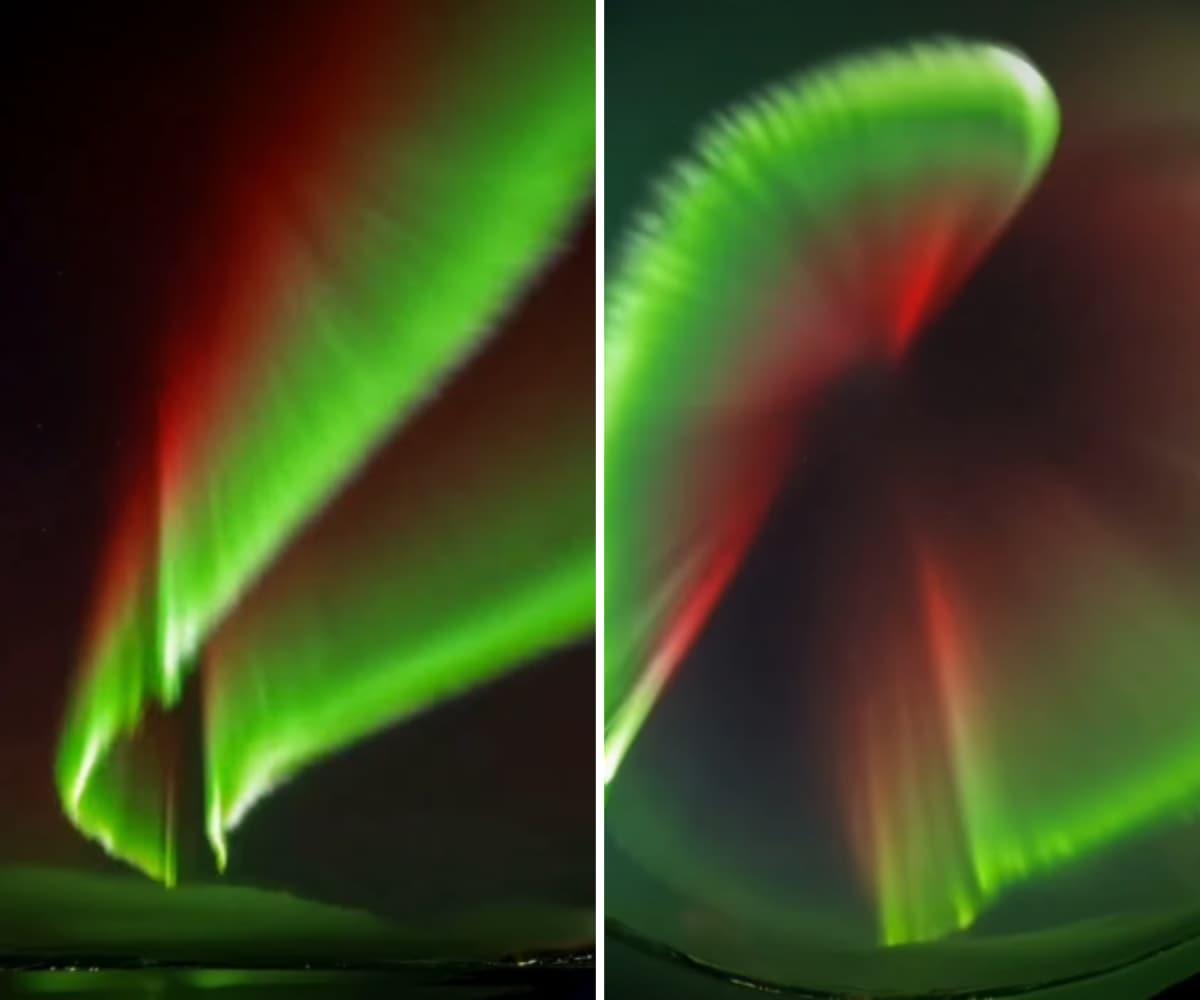
Stunning auroras danced across the skies of Norway on January 21
Swiveling fans in candy pink and cranberry red broke out from the skies and launched into a spinning performance. Curtains of neon and lemon greens whirled in vortices while whirlpools of inky purples fluttered like drapes in the background, making the aurora look even more luxurious than the plot of a science fiction novel. A “once-in-a-lifetime sight,” many viewers called it.
The massive aurora outbreak unleashed in the Norwegian city of Tromsø left people in other parts of the world envious. Astronomers and meteorologists say that an aurora event so intense hasn’t been observed in the past 20 years. No one knows whether it will appear again, and if yes, then when and where. On January 21, the event decorated the skies far beyond the usual Arctic Circle’s boundaries, as far south as Scotland and parts of central Europe.
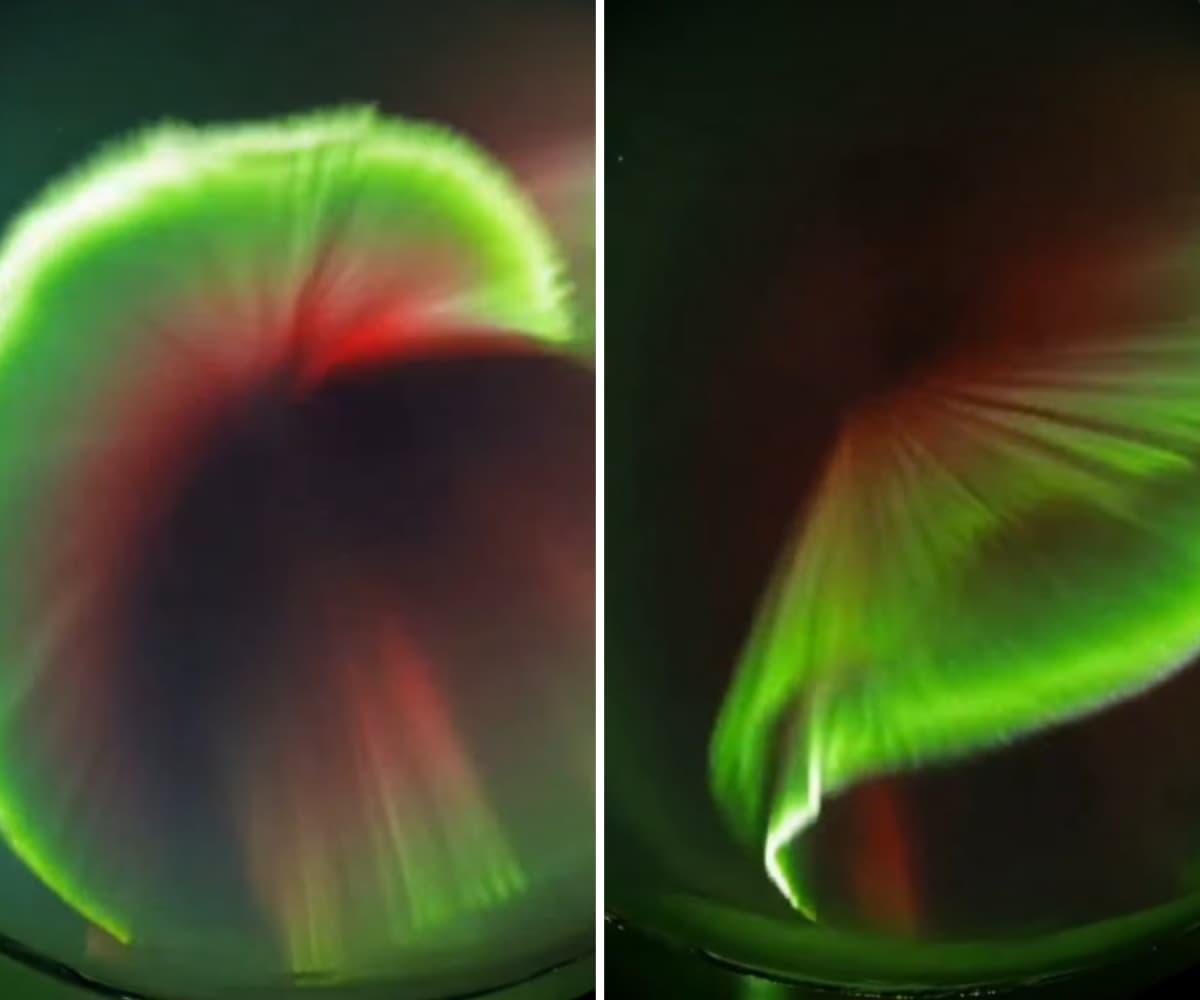
Stunning auroras danced across the skies of Norway on January 21
As CGTN, Newsflare, and other media outlets report, the aurora reached an 8-level intensity, meaning it was super-super intense. Aurora intensity, according to the Alaska Aurora app, is a comprehensive scale of 0 to 10 that predicts the strength and visibility of aurora displays. To provide an accurate prediction of how powerful an aurora was, the intensity measurement combines three factors, including the Kp index, the Bz component, and the solar wind density. According to the measurements shared by SpaceWeather Live, the Kp index of this aurora was 8, which indicates a G4 severe geomagnetic storm, hence +5.0 points.
If you missed the event, don’t worry. The skies in this part of the Arctic Circle are infamous for staging auroral performances almost regularly, sometimes for days and days. To stay tuned to the upcoming auroras or to keep track of them for your future trips, visitors can use a reliable aurora forecast app such as the Norway Lights Forecast.
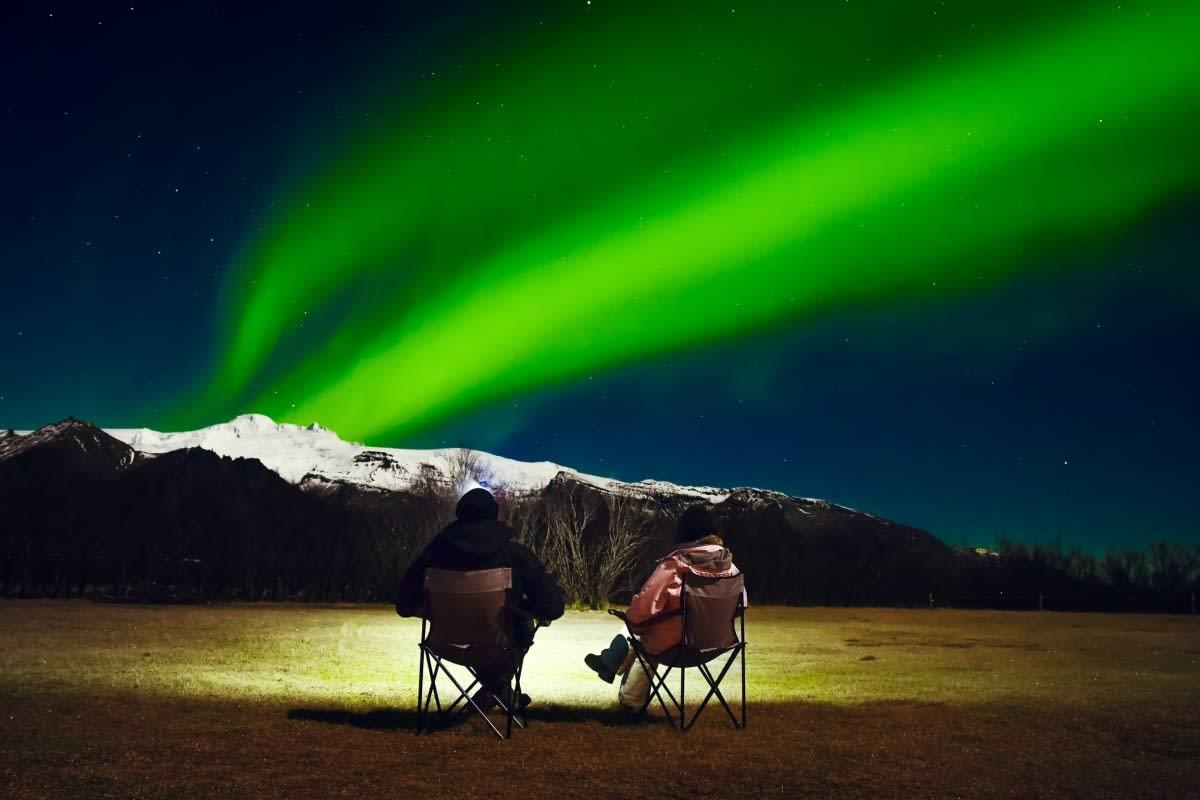
A couple sits in foldable camping chairs, watching the Northern Lights
Elsewhere on the internet, viewers posted the clips they recorded of this striking phenomenon. Many noted that the Northern Lights were triggered by a powerful G4-G5 level solar storm that reached Earth between February 19 and 21. It was the best aurora they had ever witnessed, one person said on Facebook. Another said on Instagram, "I’ve never seen anything like this in my life!" Even the snow, they said, appeared to have turned green. "A powerful reminder of how space weather can transform the world below," a resident remarked in the caption of their footage.
Since 2026 is the peak of the Sun’s 25th 11-year cycle, the year brings a generous platter of dazzling performances for sky watchers and aurora chasers.