
or
Sign in with lockrMail

Expert Reveals The 6 Common Mistakes Most People Make While Installing Bird Feeder

By

Published April 16 2025, 10:46 a.m. ET

A man is installing a bird feeder in the backyard. (Representative Image Source: Pexels | Ono Kosuki)
Source: Representative Image Source: Pexels | Ono Kosuki

A man is installing a bird feeder in the backyard.

Birds visiting your house and pecking seeds from the bird feeder you set up early in the morning is a sight to sore eyes. But enjoying the feathered visitors in their natural element comes with a lot of responsibility. Right from identifying the appropriate kind of bird seeds to the ideal location, many factors influence the well-being of a bird population. In an interview with Southern Living, Jen McCarthey Tyrell, an expert from Audubon South Carolina, noted the six common mistakes people tend to make when installing bird feeders:

Article continues below advertisement
pn/cabf  b ac ede
Source: Representative Image Source: Pexels | Townsend Walton

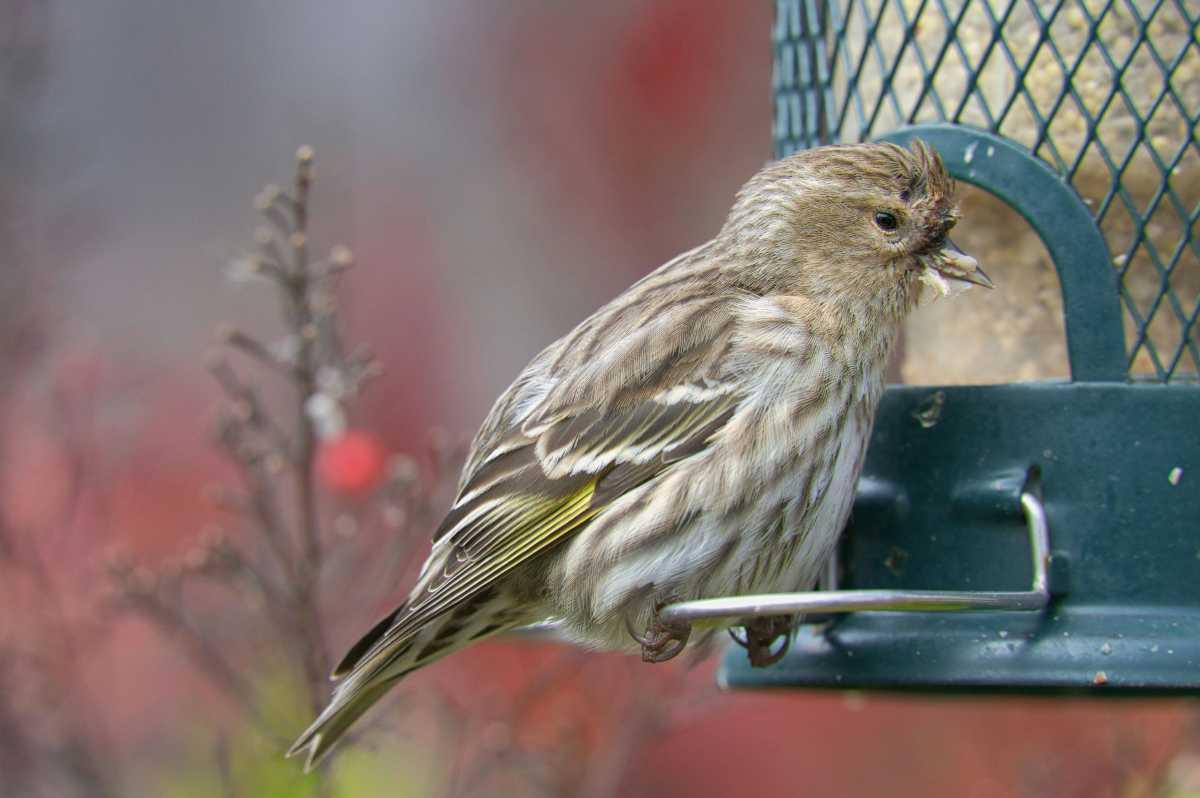
Pine Siskin Feeding at Bird Feeder in Washington.

Advertisement
More from Green Matters

When a person decides to help out the local birds by installing a bird feeder and filling it up with seeds, they are not doing the birds a favor. Hence, one should not feed them just for the sake of it. It is important to consider the right quality of seeds to ensure the well-being of the birds visiting the feeder. Several cheaper options are available in the market. These seed products would contain unhealthy amounts of pesticides and chemicals, which could mess up the birds’ metabolism. "Shelled seed varieties, while more expensive, get you more bang for your buck; you’re not paying for the weight of shells,” McCarthy said. 

Feeding birds to keep them coming is not a one-day job. A person must be consistent and responsible with the food sources to ensure the birds dependent on the feeder are well fed. Usually, birds rely on more than one food source, but winter times are tough, and stacking up your bird feeder during those times can be helpful. On that note, the expert said, "In very cold climates, birds become reliant on scarcer food sources. If you don’t want that guilt and level of responsibility, maybe sticking with warmer-season bird feeding is a better plan."

Latest Sustainable Living News and Updates

    © Copyright 2026 Engrost, Inc. Green Matters is a registered trademark. All Rights Reserved. People may receive compensation for some links to products and services on this website. Offers may be subject to change without notice.