
Death Valley Visitors Cautioned as National Park to Experience Record-Breaking Freeze Temperatures
Published Dec. 2 2025, 3:06 a.m. ET

Death Valley National Park covered in snow
It started with a murky haze of gray fog materializing in the sky across the Bay Area. As days went by, it turned into a stubborn tule fog. As the fog cooled down, the temperatures in the surrounding regions, including Death Valley, sank on the thermometer. For years, Death Valley National Park has been known as the driest place in North America. But its fate took a dramatic turn in November this year. A fleet of atmospheric rivers forming in the sky initiated a record-breaking rainfall that exploded into a melodramatic remodeling of the park’s landscape. To make things even more interesting, the National Weather Service recently announced a “freeze warning” as an emergency alert for areas across Southern California, including Death Valley.
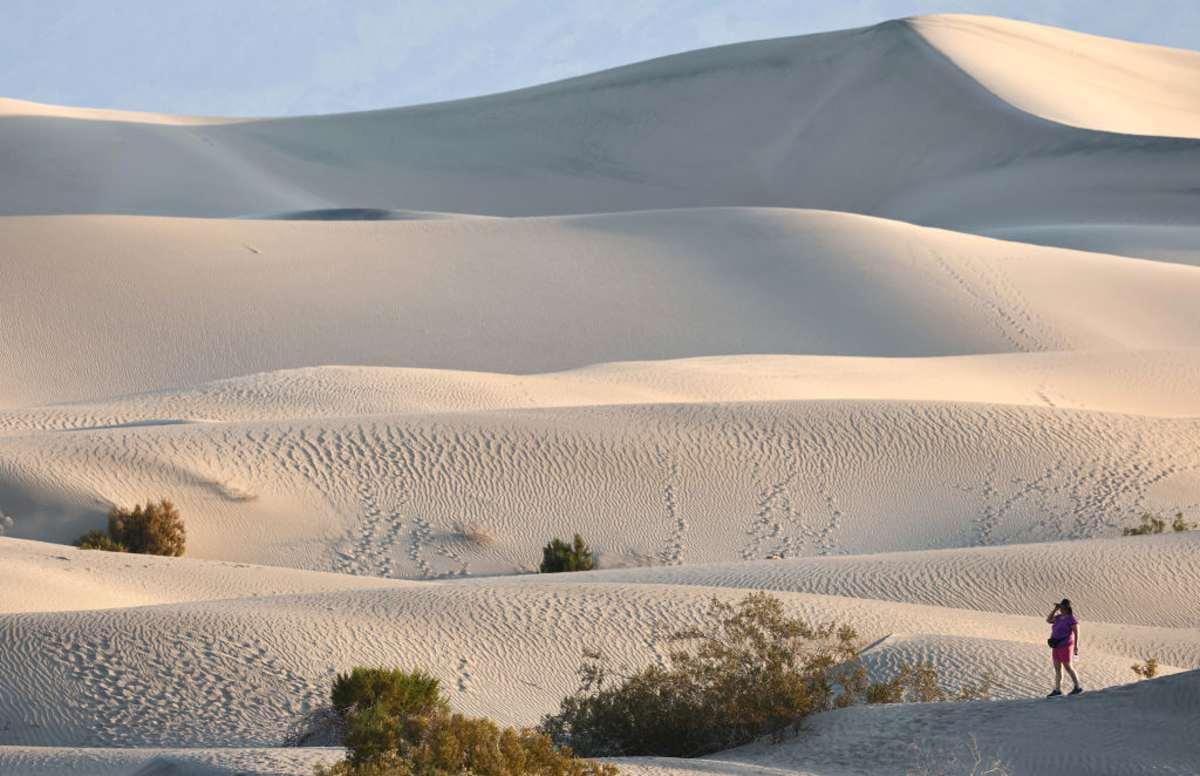
Sand flats of Death Valley
The update, published from the NWS Forecast Office in Las Vegas, issued a warning to the residents of Southern California and park visitors, alerting them of freezing temperatures the area could see on December 2, between 1 a.m. and 8 a.m. There is a whole array of factors that are contributing to this frozen state of Death Valley. First is the park’s extraordinary geological formation and topography. The valley’s location makes it go through the “rain shadow effect,” where one side of the mountain slopes remains drenched in rain while the other remains clasped in shadow and devoid of actual rain, according to NWS.
The geology of the valley makes its surface extremely hard and rocky, which means a rainfall acts like pouring water on a tabletop. The moment rain spills, it rushes downslope, triggering mudslides, unnatural rivers, mudflows, and rocky debris. Plus, atmospheric rivers don’t hit this region, but after this moisture-laden storm, a torrent exploded from the sky with more than 1.75 inches of rain, Newsweek reported. Furnace Creek, which typically receives 1 inch of rain per month in November, received more than 1,000 percent of it this year.
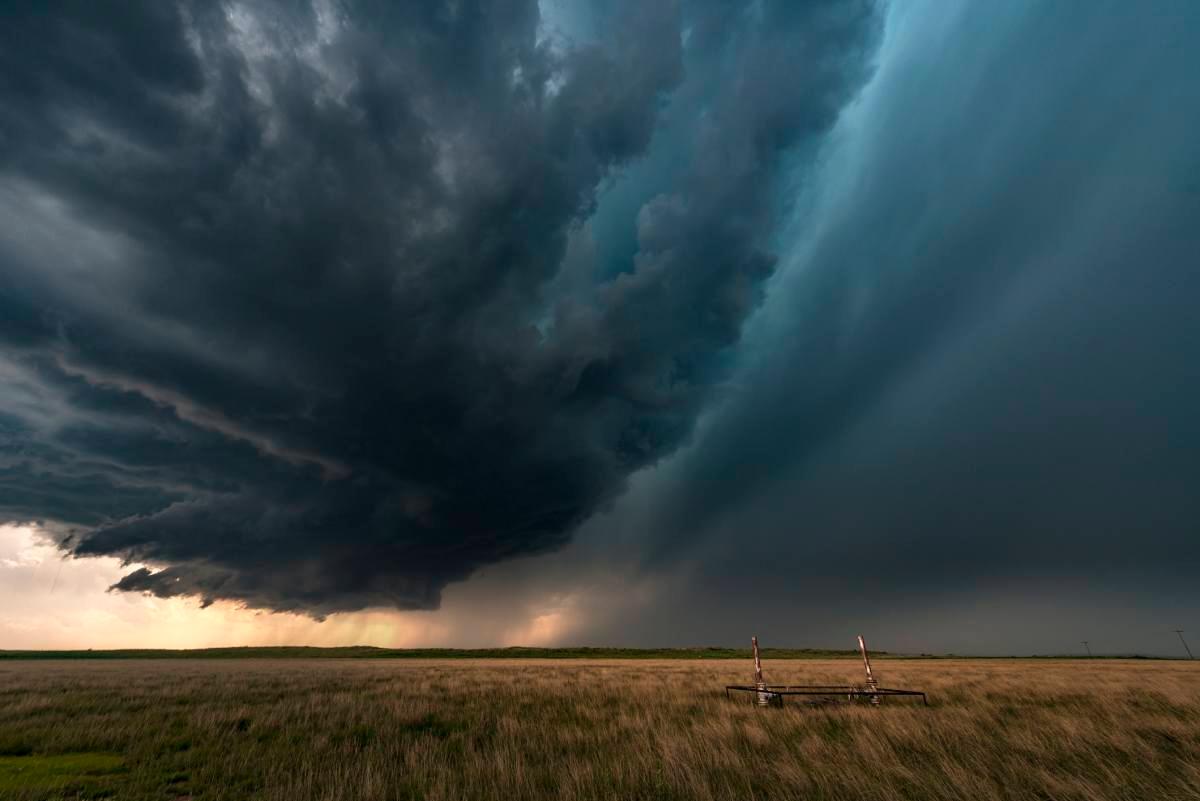
Rain clouds in the southern US
Typically, when someone visits Death Valley, they are welcomed with vast stretches of dry, scorching desert dotted with undulating dunes. In the crusted lunar landscape of Badwater Basin’s salt flats, visitors can be observed “walking” on water with paddleboards tucked beneath their underarms. The rains have changed everything. With each ray of golden daylight, the layers of rocky cliffs come alive, and tangles of tripods gather on the peaks to capture the scene.
After the rains, the valley is set to display a spell of freezing temperatures that might turn its mirror-like lakes into icy glass and its brittle deserts into wetlands maturing with long-dead desert blooms and grasses. In conversation with SFGATE, weather service Bay Area meteorologist Roger Gass shared that the forecasters are expecting an “insider slider pattern,” a cold and dry low-pressure system that will slide down through the Great Basin with gusts ranging anywhere from 30 to 45 miles per hour.
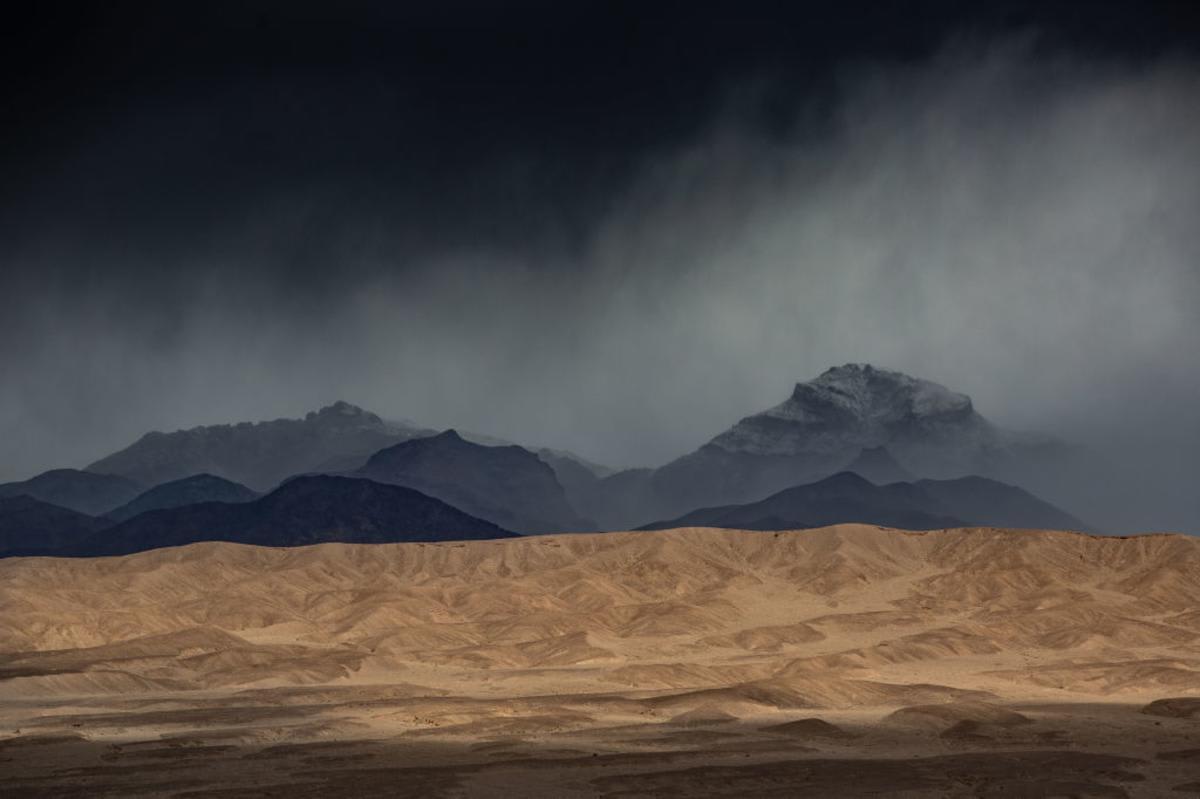
Rain clouds above Death Valley
In the forecast warning, NWS said, “Sub-freezing temperatures as low as 30 degrees expected for the first time this season,” describing that the frost and freeze conditions could kill crops, sensitive vegetation, and possibly damage unprotected outdoor plumbing. “Take steps now,” the weather service cautioned the residents, “to protect tender plants from the cold.”
The Press Enterprise confirmed that emergency alerts will be sent to all the enabled mobile phones in the area. Residents are also urged to sign up for the county alert systems, including those for LA County, Orange County, Riverside County, and San Bernardino County. If the temperature falls below the freezing threshold, there is little you can do except to bring the sensitive plants inside your home. Rest assured, it will pass, and Death Valley will come out alive and new with the passing of this freeze state.