
Biologist Starts Crying After Finding One of World’s Rarest Flowers After a 13-Year-Long Search
Published Nov. 26 2025, 3:21 a.m. ET

A biologist starts crying after finding the rare flower he had been searching for the past 13 years
Viktor Frankl, the Austrian psychiatrist, famously spent his life as a man in search of meaning. Biologist Septian “Deki” Andrikithat spent 13 years of his life searching for a flower. For more than a decade, he combed the rainforests of Indonesia, meticulously spying every dab and dot of the wet grasses, colorful alpine patches, and sky-scraping trees, to find just one clue that could lead him to the flower he so desperately yearned to see. Through day and night, he and his biologist buddy Dr. Chris Thorogood trekked, escaping the fierce gaze of Sumatran tigers that, they knew, patrolled this rare plant.
At last, when Andrikithat’s attention fell upon a tantalizing red-orange bloom popping from within a dense cluster of green leaves, he couldn’t hold back anymore. The flower, named Rafflesia hasseltii, brought him down to his knees, and a deluge of teardrops burst loose from his eyes. The footage that recorded this glorious moment, shared by the University of Oxford (@oxford_uni), is now making the rounds on social media.
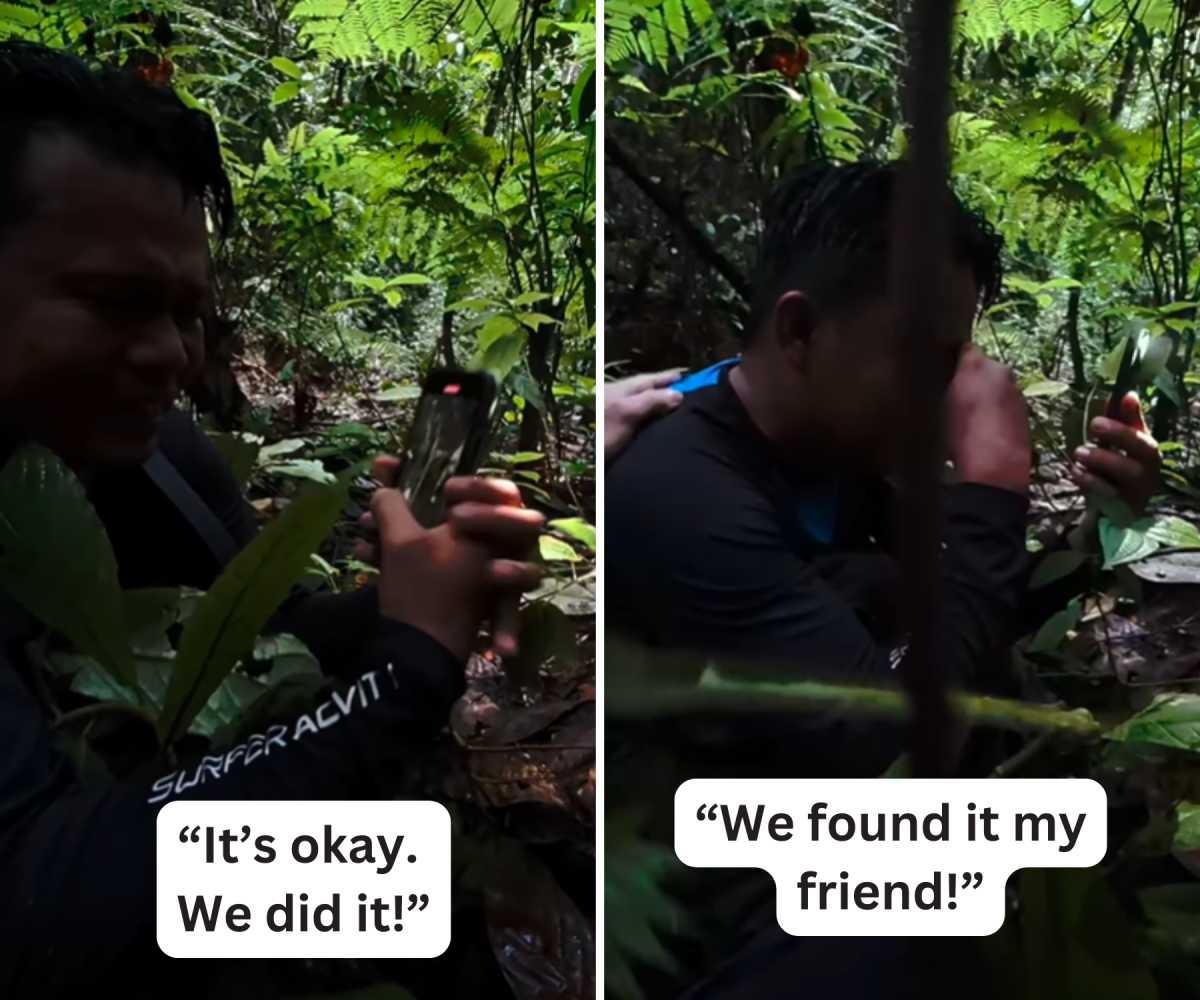
Biologist starts crying after finding the rare flower he had been searching for the past 13 years
Andrikithat's quest for this rare flower took over his mind, his heart, his emotions, which is why when he finally found it, sitting with it just for a moment felt “otherworldly,” as he described to the New York Post.
His colleague Thorogood said, “Moments like these are electric.” The trek, he revealed, was tough, and the flower was so special that they were “quite emotional about it.” The footage shared by the university shows Andrikithat kneeling on a leafy patch of the Indonesian rainforest with a torch glowing in his hand. The biologist’s face is glistening with tears while Thorogood is tenderly patting his head.
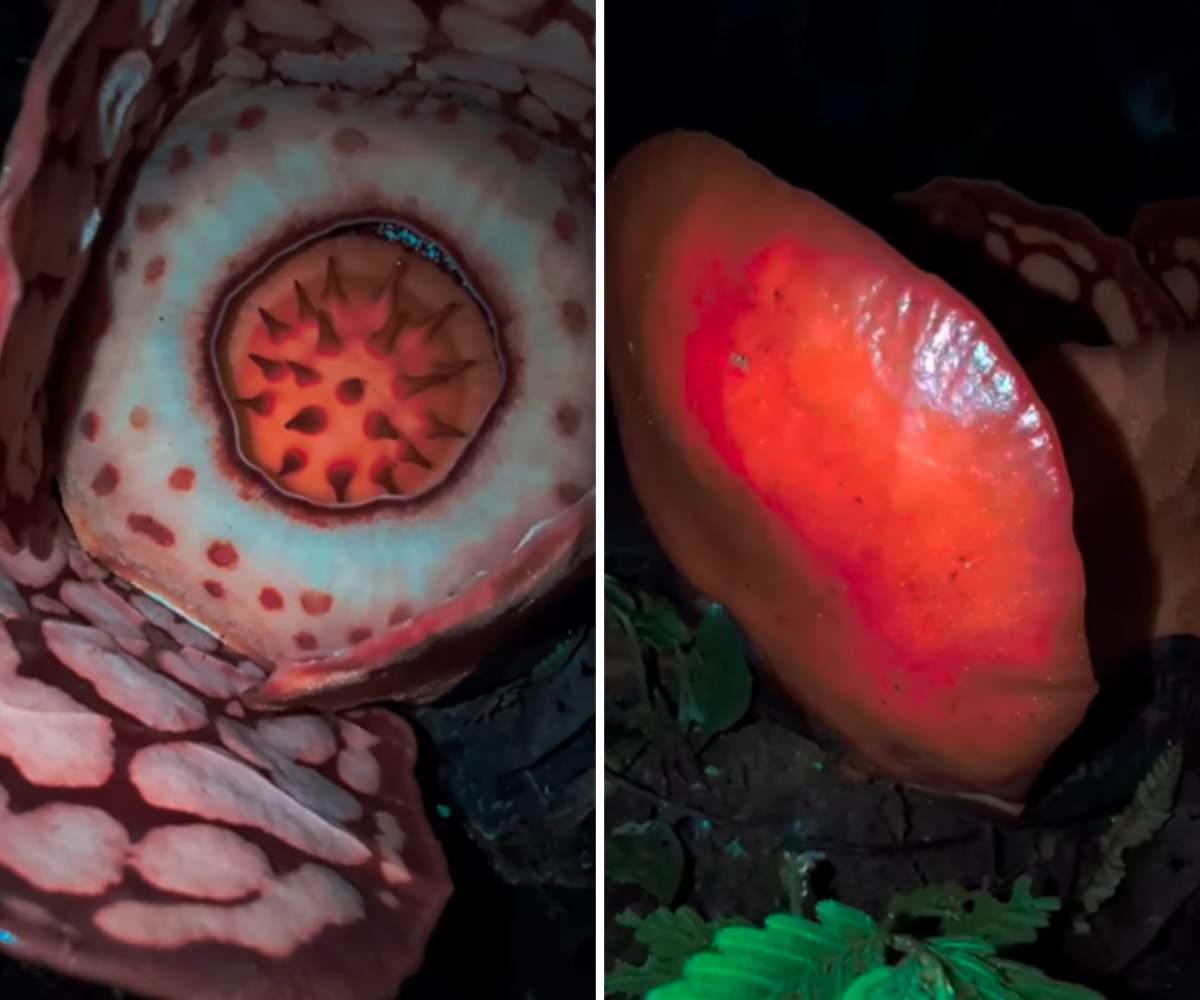
Biologist starts crying after finding the rare flower he had been searching for the past 13 years
While Andrikithat is still hunched over the grass, his head slouched, and his palms wiping the tears, the camera pans around to reveal his golden goodie he had just discovered after years of longing. “It’s okay. We did it. We found it, my friend,” Thorogood reassures him, caressing him. As the video continues, the camera reveals it, a bewitching huge flower with alluring petals opening into a bright red interior studded with sharp-looking strands and fibres, and pulpy white buds resembling little balloon-like cushions.
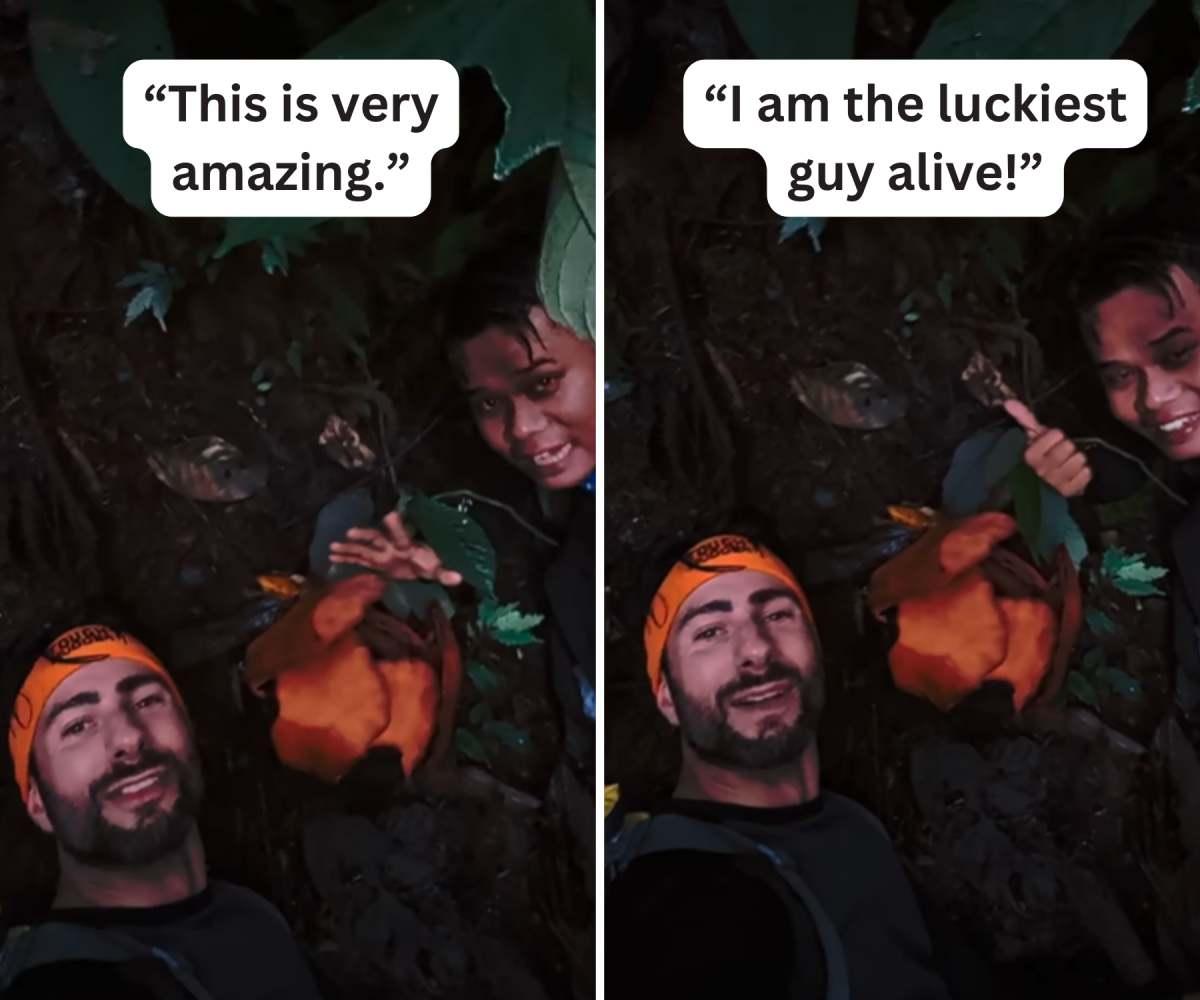
Biologist starts crying after finding the rare flower he had been searching for the past 13 years
“This is very amazing,” exclaimed Andrikithat. Thorogood chimed in to say, “I am the luckiest guy alive.” As seductive as this rare flower seems on the surface, it is actually just as deceptive. Of all the Rafflesia hasseltii flowers that exist in the world, only a select few have been touched by humans. As the university notes in the post, the flower remains under a strict patrol of the Indonesian tigers.
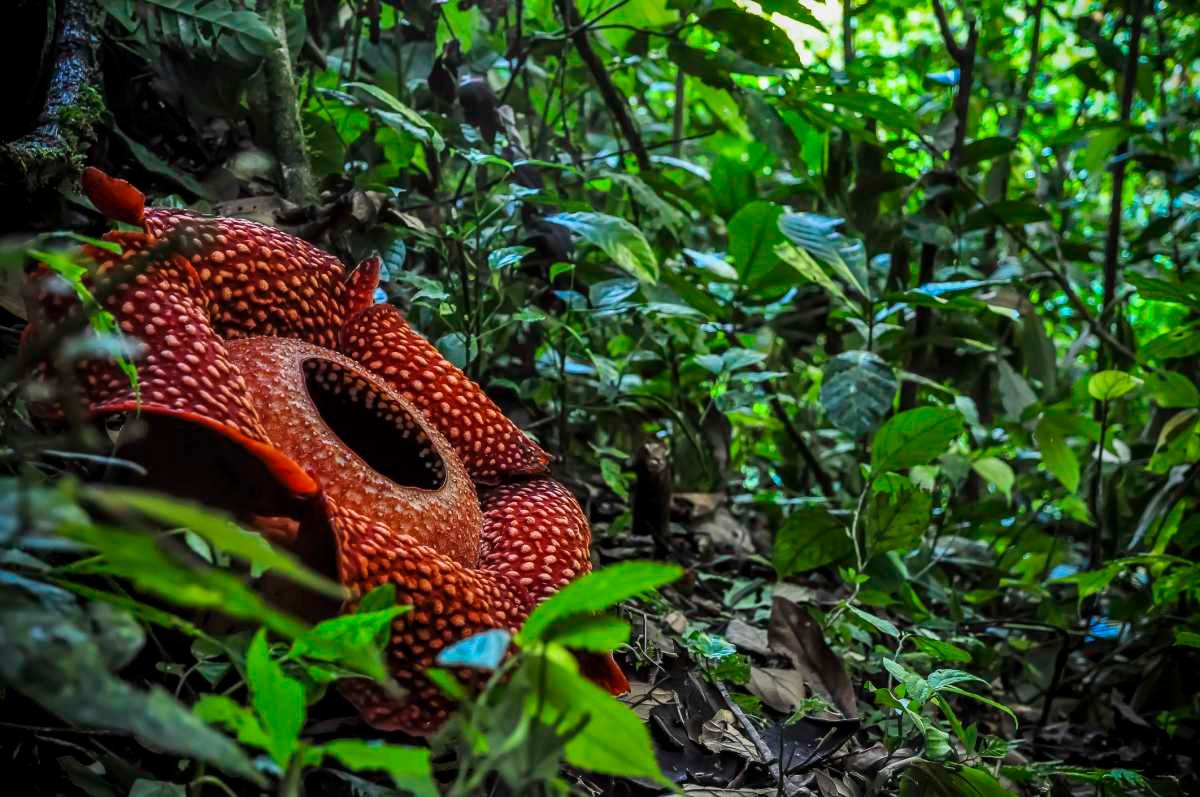
Rafflesia flower in an Indonesian rainforest
And even though it looks like an innocent red fruit, the flower is stinky, mimicking the smell of rotten carcases to lure pollinators. Once the pollinator is ensnared by its hot reddish glamor and stinking smell, the flower traps it and coats its body with a sticky liquid before releasing it. When this pollinator visits another flower of the opposite sex, it unknowingly transfers the pollen, thereby helping the parasite to reproduce.
Meanwhile, the heartbreakingly sweet episode is prompting floods of memes and comments from social media users. “Me after finding the lost bolt during an engine rebuild,” quipped the Reddit user u/RoyalCPT. u/dmarve said, “I assume this will be my reaction after finding a well-paying job after 13 years of searching.” On a spiritual note, Instagrammer @peachcup reflected, “If more men cried about flowers the world would be a better place.”