
or
Sign in with lockrMail

America’s Favorite Candy Is Now Banned in the UK — Authorities Deem It ‘Unsafe to Eat’

By

Published June 27 2025, 8:46 a.m. ET

A woman is eating a jelly candy from a jar. (Representative Cover Image Source: Getty Images | Nensuria)
Source: Representative Cover Image Source: Getty Images | Nensuria

A woman is eating a jelly candy from a jar.

A kids’ favorite candy in the United States has been banned and discontinued for sale in the U.K. Though American kids can still enjoy it, the food product was flagged in the U.K. for containing two banned ingredients that are linked to DNA damage and cancer. The Food Standards Agency (FSA) deemed it “unsafe to eat” because it does not comply with the legal laws of the country and could potentially cause severe health complications in the future, per an official report. Meanwhile, the manufacturer denied the claims in an official press release and reassured consumers that their products are “safe.”
Article continues below advertisement
pn/acd cc a d fbb
Source: Representative Image Source: Getty Images | Jena Ardell

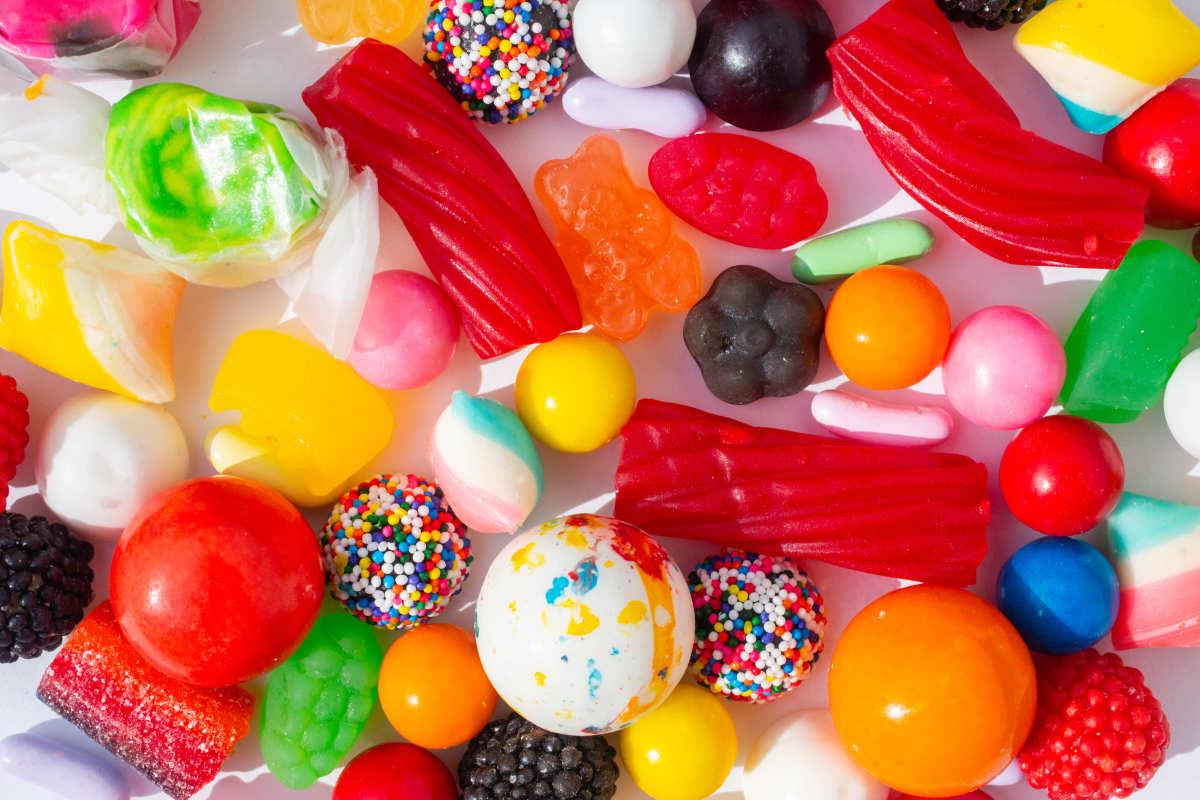
Candies include red licorice, gummy candy, chocolate nonpareils, gumballs, and salt water taffy.

Advertisement
More from Green Matters

Despite the FSA’s deliberation about the presence of toxic ingredients in the Jolly Ranchers candies, Hershey has refuted the claims about the popular snack. “The safety and quality of Jolly Rancher is our first priority, and consumers can rest assured that our products are safe to enjoy,” said a representative for the manufacturer in a statement to PEOPLE. The official statement explained their non-compliance with the UK market as a difference in market needs. They insinuated that complying with every other market while maintaining the guidelines of their own was rather a challenge; however, they prioritized their market over others.

“As a global brand with a wide audience, we also recognize our products can sometimes be purchased in markets other than those for which they were originally produced. In such cases, we cannot guarantee that the products meet the regulatory requirements of the end market, which may differ from those of the US.” However, the European Food Safety Authority states that MOAH can act as genotoxic carcinogens, causing DNA damage and cancer, while MOSH accumulates in the liver and lymphoid system. The FSA advised anyone who may have consumed the product not to panic, as the product’s food safety risk is low and not an immediate cause of concern.

Latest Food News and Updates

    © Copyright 2026 Engrost, Inc. Green Matters is a registered trademark. All Rights Reserved. People may receive compensation for some links to products and services on this website. Offers may be subject to change without notice.