
Almost 30,000 Animals Trafficked, 134 Countries Involved — INTERPOL Exposes Global Wildlife Crime
Published Dec. 18 2025, 4:24 a.m. ET

A tiger gazes through the metal bars of a cage
Thousands of butterflies. Hundreds of ivory pieces ripped from helpless elephants. Thousands of reptile body parts. Over 881 pounds of giraffe meat. Live tigers, pangolins, snakes, monkeys, even insects; the list doesn’t seem to end. These numbers aren’t part of a zoo’s catalogue, but rather, statistics of wild animals that were being trafficked by criminals. As part of the global Operation Thunder 2025, INTERPOL unearthed a network of individuals responsible for trafficking over 30,000 live animals. Not just wildlife, the operation also unmasked a chain of covert crimes related to illegal plant trade, illegal timber logging, and unlicensed firearms.
Short for International Criminal Police Organization, INTERPOL is the world’s largest international police organization. This year, the ninth one, Operation Thunder, was conducted from September to October. The monthlong operation unveiled a shadowy gangland that had been stripping animals of their freedom and rendering them vulnerable and powerless to satiate the hoggish demands of some heartless humans. As part of the operation, cops around the globe conducted raids on the suspected sites and exposed over 1,100 culprits. A total of 4,640 seizures were made from 134 countries, including illegally logged timber and endangered animals.
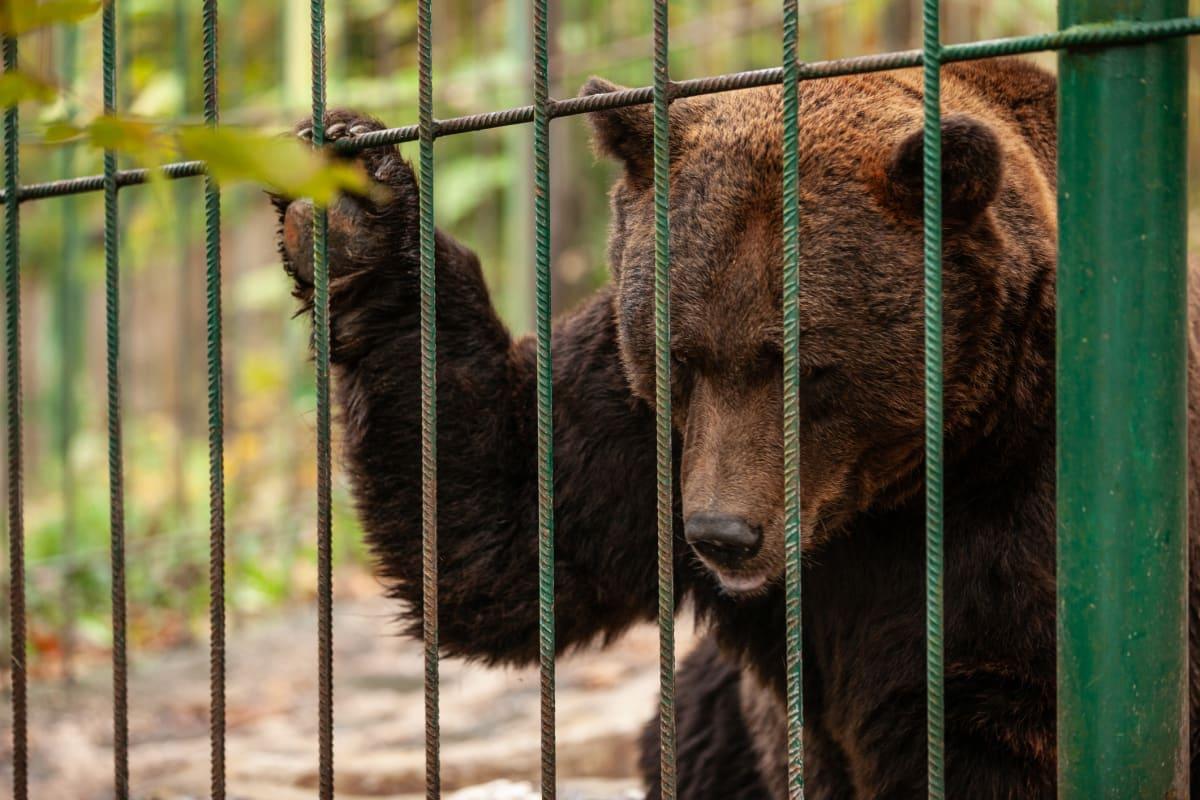
Bear in cage
In South Africa, over 24 suspects were identified who were trafficking 17,000 sea snails, as well as protected succulents, live pangolins, and unlicensed firearms. A shipment from Asia revealed 1,300 primate body parts. Over 3,000 birds and 7,000 arthropods were caught in Indonesia, whereas in Brazil, the cops dismantled an entire network of 145 suspects, including a trafficking ring involved in the illegal trade of golden lion tamarins. More than 100 ivory tusks and 140 hippopotamus teeth were snatched in Tanzania. In Qatar, individuals were arrested for illegal trade of wild animals.
In contrast to previous years, this year, the operation exposed some shocking statistics. A sharp rise was observed in the trafficking of arthropods like butterflies, spiders, and insects. There was also an increase in the trafficking of marine animals, as well as their body parts, including 4,000 pieces of shark fins.
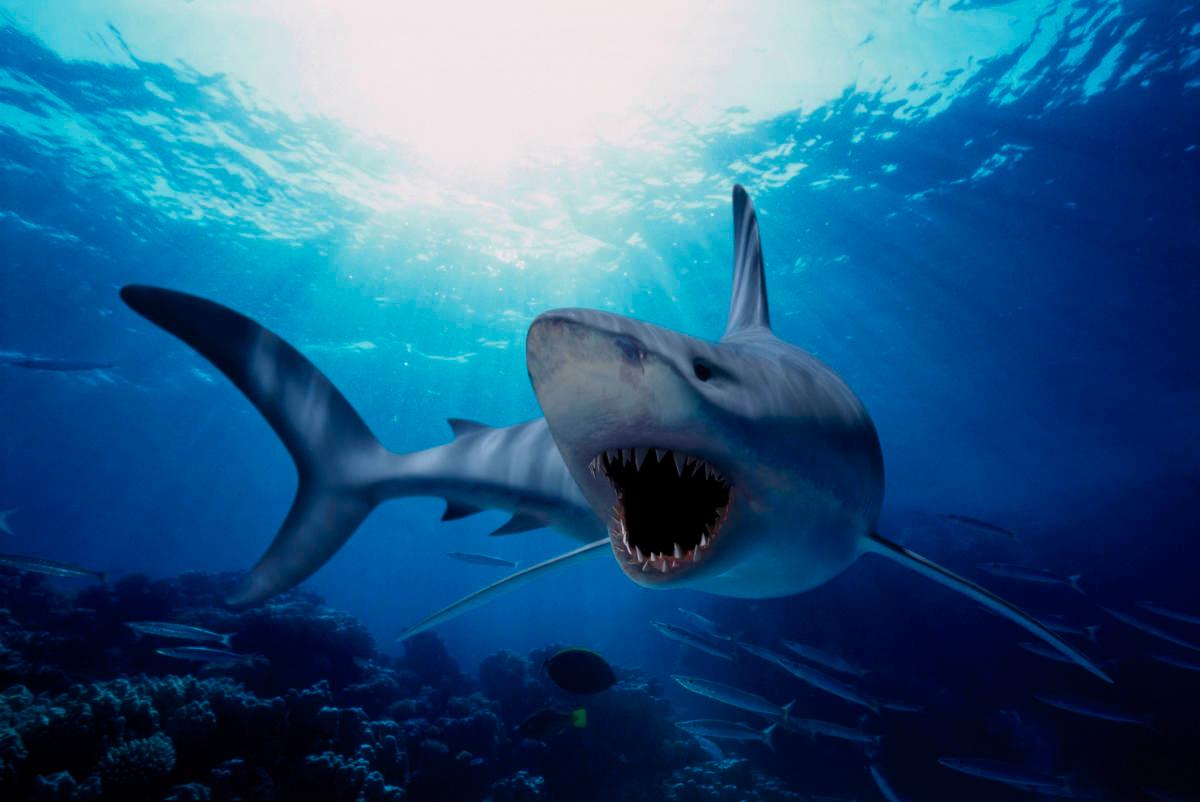
Predatory shark swimming in an ocean
“Operation Thunder once again exposes the sophistication and scale of the criminal networks driving the illegal wildlife and forestry trade – networks that increasingly intersect with all crime areas, from drug trafficking to human exploitation,” INTERPOL Secretary General Valdecy Urquiza remarked. Urquiza reflected that by recognizing and dismantling these crime ecosystems, INTERPOL aims to protect the planet’s shared natural and human heritage.
As always, Operation Thunder this year was centered on the exchange of information, actionable intelligence, and the coordination of cross-border investigations among participating countries. There was also collaboration between law enforcement agencies and financial agencies to dig out crimes related to money. According to INTERPOL’s estimates, the value of wildlife crime is somewhere around 20 billion dollars, but it could be much higher, given the shady nature of this gangland.

A man wearing handcuffs
Fast forward to this moment, thousands of animals rescued by the cops are now safe from the felonious intentions of trafficking criminals. But for how long, this is a mystery. Because as long as humans prevail, crime will inevitably occur. Looking at the statistics unearthed by Operation Thunder, it seems that humans are the only animals whose desires are insatiable. The only way to correct this wrongdoing is to dress up in sackcloth and ashes and stop the killing, stop the trafficking, stop the demand.