
Aerial Photos Reveal a Historic Lost Wetland Re-Emerging in Rocky Mountain National Park
Published Feb. 3 2026, 8:01 a.m. ET

A comparison of aerial views of Beaver Creek over the years.
From high above the Kawuneeche Valley, the Beaver Creek no longer appears to be a narrow creek of water flowing towards the Colorado River. Credit to restoration efforts, the runoff from Rocky Mountain National Park triggered water to spill out of the creek, spreading across two and a half football fields’ worth of nearby meadows. Aerial photos captured the once-barren land being replenished by the flooding. The Beaver Creek hadn't witnessed beneficial flooding since the early 2000s, making wetlands increasingly barren and prone to ecosystem destruction, as per The Colorado Sun. However, the flood wasn't accidental in the least. Simulated beaver dams and lodges built in recent years to enhance the environmental conditions of the valley and restore the wetlands contributed to the much-awaited flood.
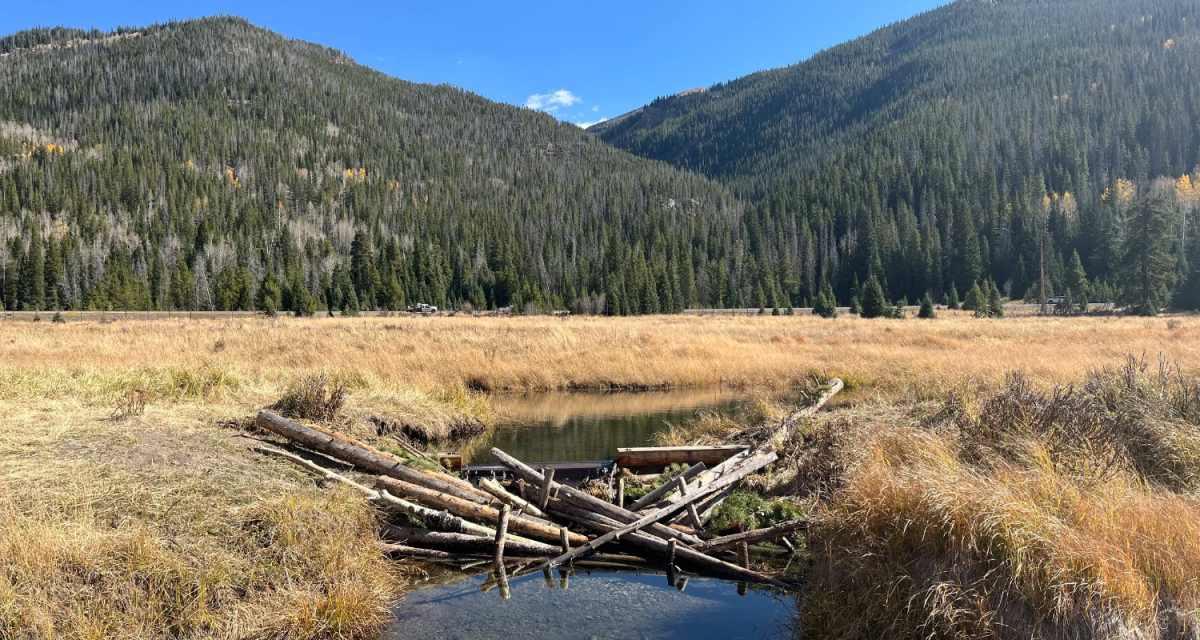
Simulated beaver structure at Kawuneeche Valley.
The work on restoring Kawuneeche’s crucial watershed has been going on for decades, with multiple government agencies and nonprofits putting in efforts. When Kimberly Tekavec of Northern Water encountered the change during a field trip to the site in June last year, she was impressed. “Just seeing the amount of water, it was incredible,” she reported, as per the outlet. “We’ve toured Beaver Creek every year since 2020, and it was just…it was really, really awe-inspiring to see," she added. The conservationists were impressed by the growth rate, considering the wetland ecosystem was gearing towards a considerable loss. “When you do something in the park, sometimes it takes years and years and years to see a difference,” said Kyle Patterson, a spokesperson for the Rocky Mountain National Park.
“When something is so urgent and has declined so quickly, you think, is this going to have a fighting chance? And you could see it in a short period of time," the spokesperson said, adding, "Instantaneous is too dramatic of a term. But very quickly, which I think is a very hopeful, exciting thing." In the early 2000s, the deterioration of the park's “beaver-willow state” pulled the focus of conservationists and authorities to the dire need for restoration of the ecosystem. Beavers are known as the engineers of the ecosystem, as the dams or lodges they build facilitate the survival of an array of tiny wild organisms. Those natural constructions also obstruct water flow, preventing flooding and allowing water to spill out to the surrounding marshlands that support countless tiny creatures.
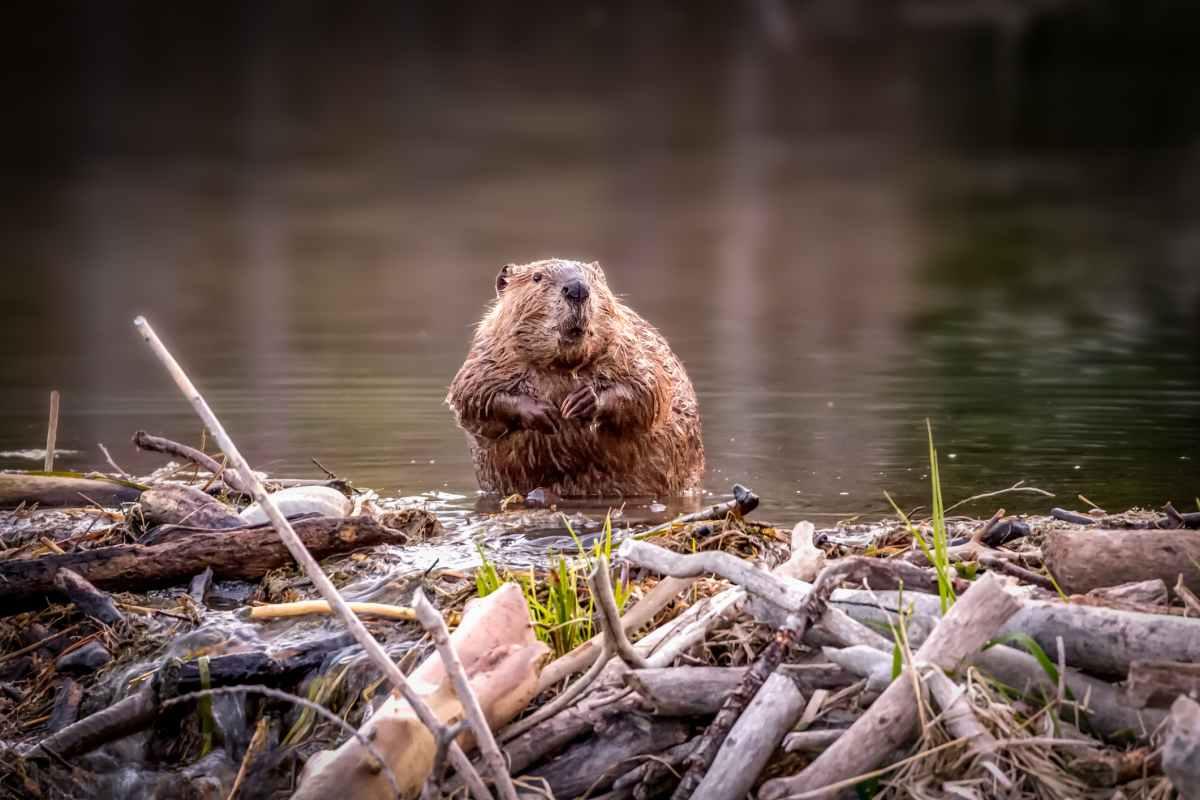
A beaver standing on the edge of a dam
There was a sudden surge of elk and moose population that also threatened the survival of beavers in the national park. The reintroduced herbivores overgrazed on the green marshlands, but beavers increasingly disappeared. Kawuneeche Valley Restoration Collaborative had initiated a restoration plan and installed simulated beaver dams to attract the tiny creatures back to their habitat. Moreover, a protective fence was built around Beaver Creek to prevent intrusion of the elk and moose. In a previously published paper, co-author and park ecologist Isabel de Silva revealed that "the vegetation structure" at the site had dramatically changed since the early 2000s, causing the ecosystem to deteriorate. However, restoration efforts have paid off, and wetlands in the area seem to be regaining their glory.
“I was expecting the vegetation recovery to take some more time, but it was pretty instantaneous after that first season,” de Silva said. “Willows flower on last year’s stem, and so before we had a fence there, they didn’t have a fighting chance, they would all get eaten away by the elk and moose,” she added.