
The Amazon River Flowed Backwards For Millions of Years — And Scientists Just Found Out Why
Published Feb. 2 2025, 9:15 a.m. ET

The mighty Amazon River is surrounded by thick vegetation and misty mountains.
Millions of years ago, when there were no continents, Earth was one gigantic unified landmass called Pangea, whose moss-veneered carpet stretched from the north pole to the south pole. But then intense volcanic eruptions caused the tectonic plates of South America and Africa to split apart, leaving deep gashes in Earth’s crust, as per Eureka Alert. The breakoff formed a basin where water collected to form the South Atlantic Ocean and eventually the Amazon River. Ask a dinosaur roaming the planet during this period, they’d say that the Amazon River flowed from east to west.
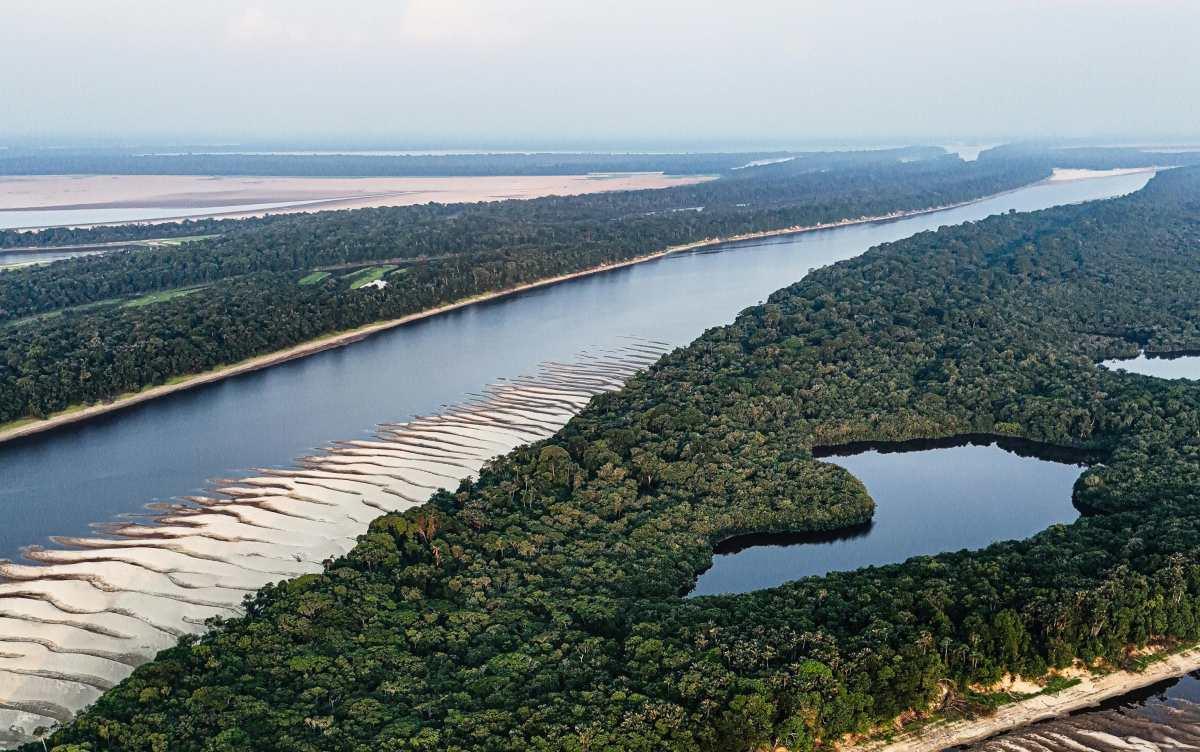
Amazon river snaking through the basin studded with greenery and soil
But a few years later, hot magma from Earth’s fiery mantle rose from the weaknesses left in the crust and sculpted the Andes Mountains. It wasn’t until 2006 that a geologist discovered that the mountains reversed the river’s flow into a westward roll. Russell Mapes and his team ventured on a cruise boarding planes and aluminium boats to collect some sediment samples. They were mapping the Amazon’s sediments, and came across some tiny crystals of zircon that revealed this stunning fact about the Amazon.
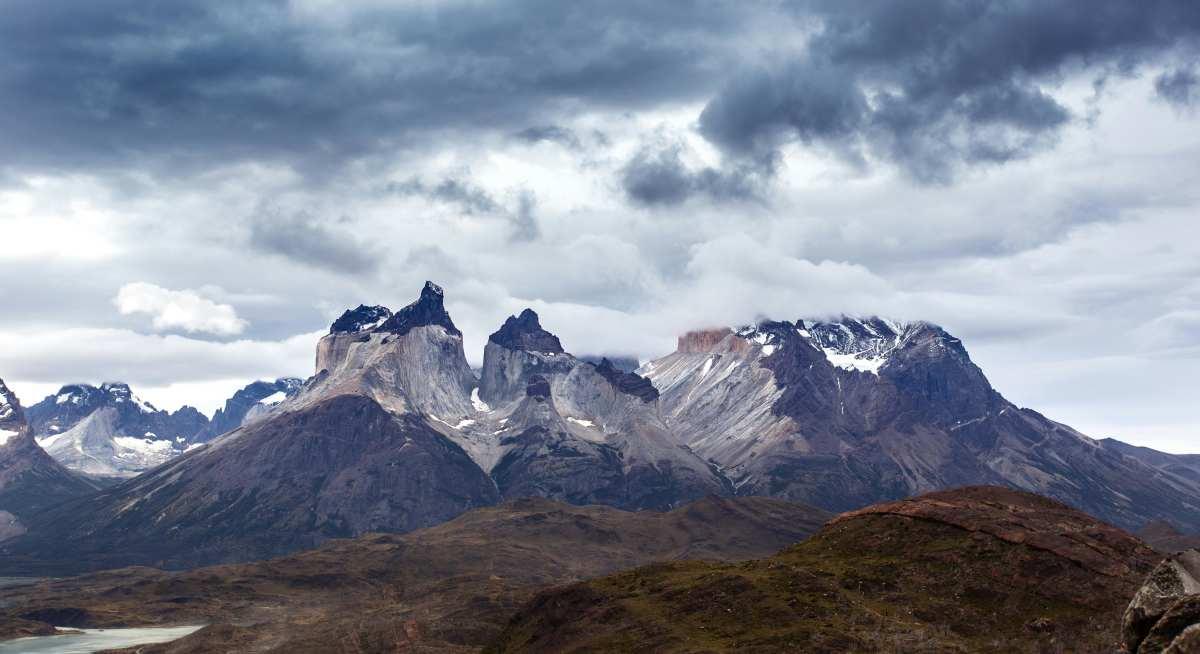
The majestic Andes mountains capped with snow.
Today, the magnanimous Amazon River flows from the Andes Mountains in Peru to the Atlantic Ocean in Brazil. Hugged by lush Amazon rainforest with slinging thickets of greens and florets, the muddy-brown waters of this river cradle a menagerie of marine reptiles including black caimans, river dolphins, green anacondas, electric eels, and red-bellied piranhas. The 4,000-mile-long river is the longest in the world after Egypt’s Nile River. Yet its westward sweep was not always the case. Millions of years ago, the river flowed in the opposite direction, Mapes found.
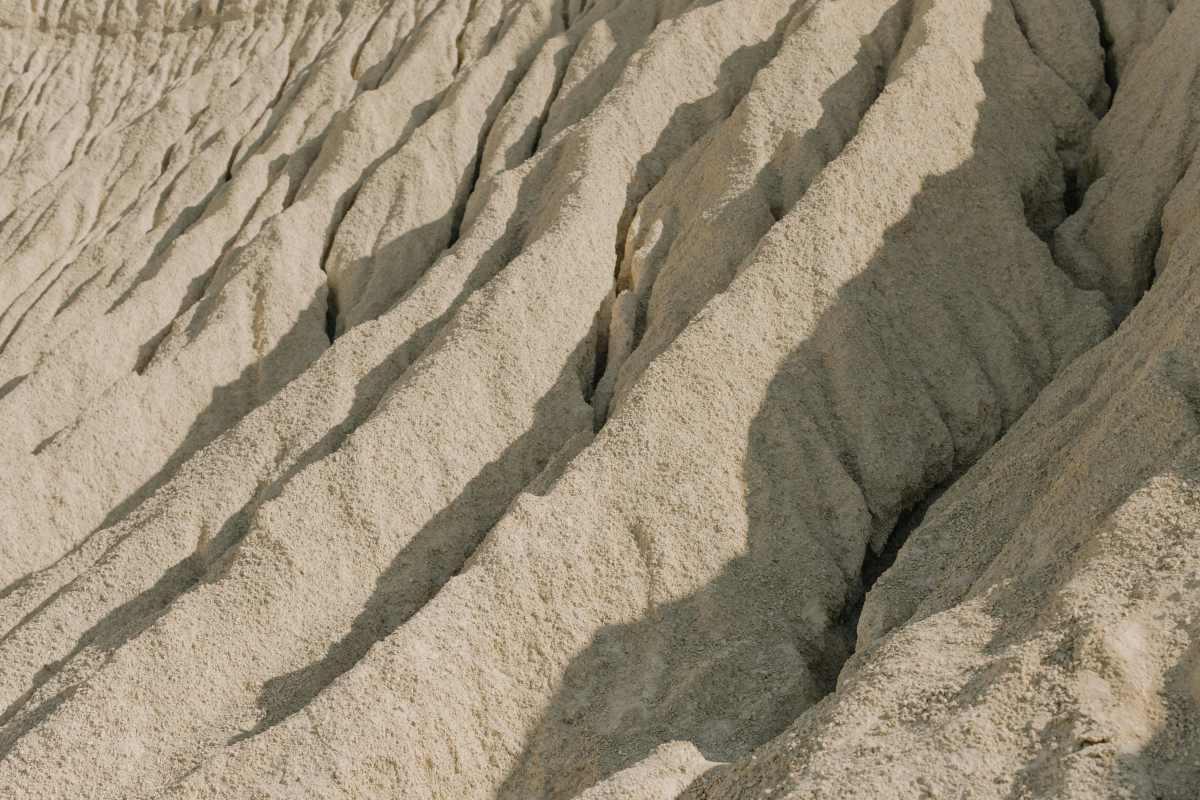
Trails of shoreline sediment washed up by the river's water
Mapes investigated some age-old sediments that had been washed up at the mouth of the Amazon River. Within the sedimentary deposits, several tiny crystals of zircon appeared to have arrived from the eastern part of the continent. Mapes wondered that it was bizarre. If the river had always flowed from west to east, how could these crystals, belonging to the eastern side, land up in the sands of this shore? “All along the basin, the ages of the mineral grains pointed to very specific locations in central and eastern South America," he said in a press release.
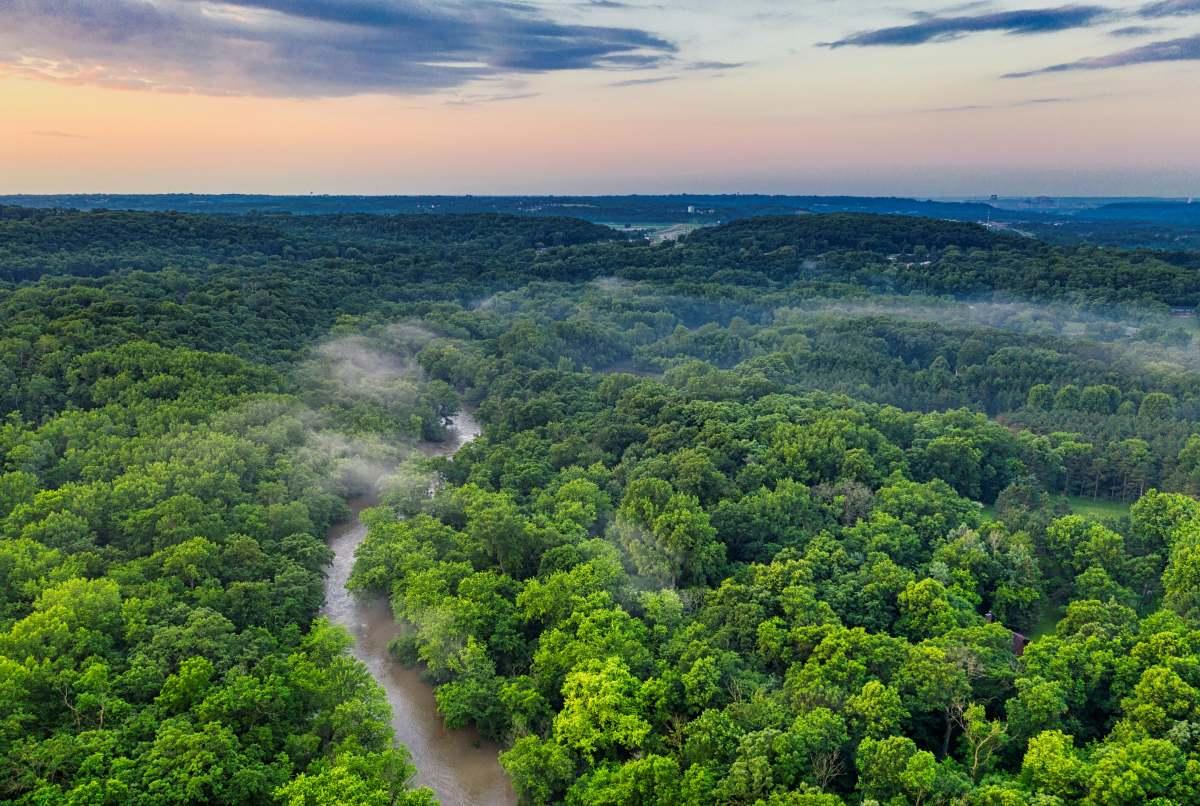
An aerial view of the Amazon rainforest.
Initially, Mapes’ advisor, Drew Coleman suggested that a few sections of the river could be flowing westward, but this hypothesis was soon ruled out of the picture. “But the Amazon is so flat that a tilt in either direction can change things drastically,” said Coleman. So the only explanation Mapes was left with, was the breakup of South America and Africa. When their tectonic plates crashed, during the Cretaceous Period, between 65 and 145 million years ago, a highland in northeastern South America pushed the river sediment in a westward direction before the Andes mountain range emerged.
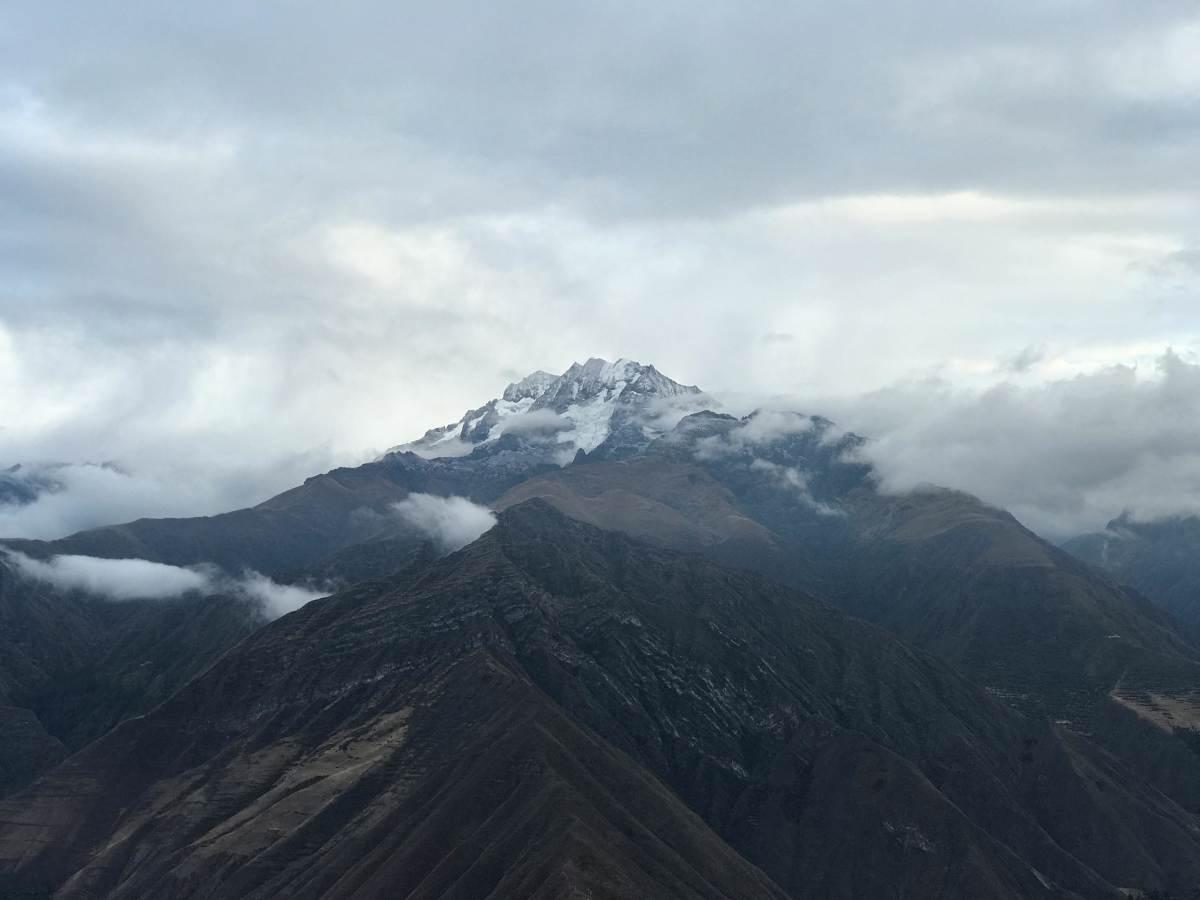
Mountain peak rising towards the sky.
Over time, as the eastern highlands, sculpted by the sizzling magma, started cooling down, their material eroded and began rolling down the mountains into the basin, eventually forming a freshwater lake. In the course of tens of millions of years, as more and more sediment rushed downslope and deposited into the basin, the water and the sediment tweaked the flow of the Amazon River. “We think this last change happened within the past five to ten million years, which is really fast, geologically speaking,” explained Mapes. “This shows how transient the surface of the earth is.”