NASA is as serious about astronauts’ nutrition as they are about space exploration. It has even created a tiny vegetable garden named “Veggie” on the International Space Station (ISS) where astronauts can grow crops to ensure that they can enjoy dietary variety while also keeping in mind the essential nutrition. Typically, astronauts in space require almost double the amount of calories and proteins than people on Earth, as the pressure of microgravity rapidly steals away these nutrients from their bodies, often leading to reduced muscle mass and bone loss. With these factors in mind, the team assessed ten foods to investigate which ones would best fulfill the nutritional requirements of astronauts’ bodies.
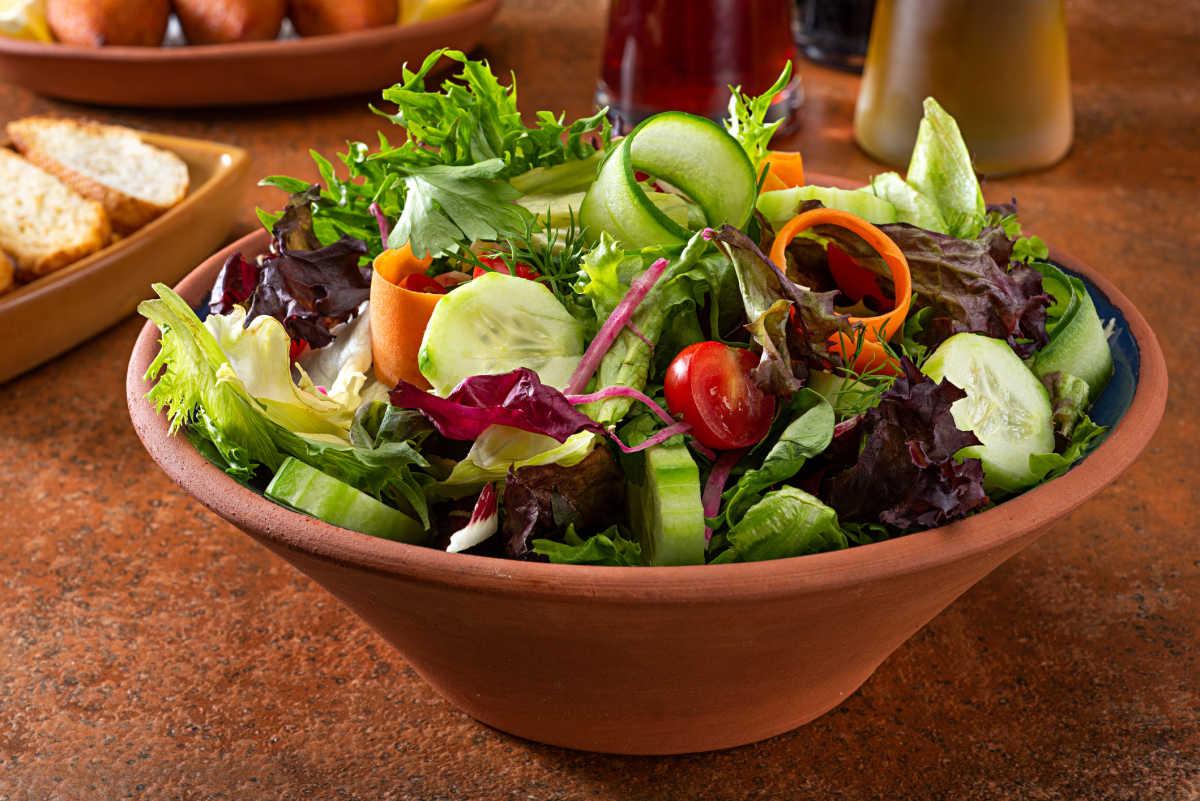
Given all these factors, the team concluded that the best and the most optimal and palatable dish for astronauts to consume during their spaceflight is a vegetarian salad made with soybeans, poppy seeds, barley, kale, peanuts, sweet potato, and sunflower seeds, but with no salad dressing, according to a press release. And even though foods like meat and bread can’t be created in a microgravity environment, NASA has already found a way to grow crops in such a scenario.
"I think their choice was very well done," Kathleen Carter, a nutritional researcher at Central State University in Ohio who was not involved in the study, told Live Science. "I think that as we start extending our time in space, we're going to have to go to more plant-based. We're going to have to be able to grow our own resources." To make sure that astronauts wouldn’t have to compromise on good taste while they consumed this perfect “space meal,” the research team involved four volunteers. The volunteers were asked to taste this vegetable salad and give their feedback.
One volunteer said they “wouldn’t mind eating this all week as an astronaut,” per the press release. Whereas, others didn’t say much, although they did go on to add second portions of the salad to their plates, which was a positive sign. In the future, Carter said, the team would explore other meal options to ensure that astronauts in spaceflights have access not only to foods that fulfill the nutritional supply but also to the ones that fit their unique cultures and tastes. This particular study, however, was conducted only for the requirements of male astronauts. The press release reported that researchers will add more crops to their algorithm and design “space meals” for female astronauts as well in the future.